CEA Seeks MSME-Specific Approach to NPA Classification Norms
ECONOMY & POLICY

CEA Seeks MSME-Specific Approach to NPA Classification Norms

Chief Economic Advisor V Anantha Nageswaran has called for a review of non-performing asset classification norms for micro, small and medium enterprises (MSMEs), saying the framework should reflect domestic business practices and the sector’s varied cash-flow patterns. The Finance Ministry supports examining the rules because MSMEs have differing working-capital requirements and business cycles.

Under the existing framework, loan accounts are classified as Special Mention Accounts based on overdue periods of 30, 60 and 90 days. A loan is generally classified as a non-performing asset when interest or principal remains overdue for more than 90 days. Nageswaran said the transition to the initial classification stages could itself have serious consequences for borrowers, even before an account formally becomes an NPA.

Speaking at the 21st National Conference of Inclusive Growth organised by Sa-Dhan, he said the Reserve Bank of India should consider norms aligned with Indian business practices instead of applying a uniform global framework. He also said ease of doing business affects MSMEs more than large companies, as smaller enterprises face a disproportionate compliance burden in both time and money.

Nageswaran said the Union government had been pursuing grassroots deregulation for MSMEs for nearly two years under the Cabinet Secretary’s leadership. Reducing compliance costs, he said, would allow businesses to direct scarce resources towards operations, hiring and employment generation. He identified deregulation, skill development, improved use of trade agreements and state-specific development models as priorities for MSME growth.

He also urged microfinance institutions to avoid over-lending and mis-selling, particularly as artificial intelligence and digital sales expand. He said savings and insurance should receive priority before credit. Nageswaran further highlighted the need to upskill workers, noting that AI may reinforce India’s opportunity to pursue labour-intensive growth because of its workforce and demographic advantages. He also pointed to forthcoming opportunities for Indian goods and services from the United Kingdom and European Union trade agreements.

Chief Economic Advisor V Anantha Nageswaran has called for a review of non-performing asset classification norms for micro, small and medium enterprises (MSMEs), saying the framework should reflect domestic business practices and the sector’s varied cash-flow patterns. The Finance Ministry supports examining the rules because MSMEs have differing working-capital requirements and business cycles. Under the existing framework, loan accounts are classified as Special Mention Accounts based on overdue periods of 30, 60 and 90 days. A loan is generally classified as a non-performing asset when interest or principal remains overdue for more than 90 days. Nageswaran said the transition to the initial classification stages could itself have serious consequences for borrowers, even before an account formally becomes an NPA. Speaking at the 21st National Conference of Inclusive Growth organised by Sa-Dhan, he said the Reserve Bank of India should consider norms aligned with Indian business practices instead of applying a uniform global framework. He also said ease of doing business affects MSMEs more than large companies, as smaller enterprises face a disproportionate compliance burden in both time and money. Nageswaran said the Union government had been pursuing grassroots deregulation for MSMEs for nearly two years under the Cabinet Secretary’s leadership. Reducing compliance costs, he said, would allow businesses to direct scarce resources towards operations, hiring and employment generation. He identified deregulation, skill development, improved use of trade agreements and state-specific development models as priorities for MSME growth. He also urged microfinance institutions to avoid over-lending and mis-selling, particularly as artificial intelligence and digital sales expand. He said savings and insurance should receive priority before credit. Nageswaran further highlighted the need to upskill workers, noting that AI may reinforce India’s opportunity to pursue labour-intensive growth because of its workforce and demographic advantages. He also pointed to forthcoming opportunities for Indian goods and services from the United Kingdom and European Union trade agreements.

Related Stories

Gold Stories

Next Story
Equipment

“Road maintenance technologies will play a bigger role in India.”

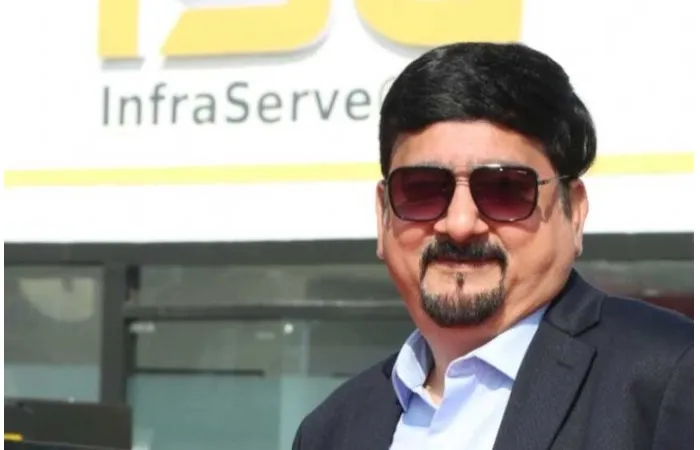
Interview with Magesh Swaminathan, CEO, Infraserve GlobalInfraserve Global was recently launched as a separate brand. Could you tell us more about the company and its journey?InfraServe Global (ISG) is part of the Gainwell Group, which carries an 82-year legacy in the construction equipment sector through its Caterpillar dealership, TIL cranes and other product lines. ISG earlier operated as the Allied Business division out of our Pune facility and has now been carved out into a dedicated business entity — InfraServe Global.ISG has been officially launched at bauma CONEXPO India, marking a n..

Next Story
Real Estate

India's Real Estate Investment Shifts to Income Growth: JLL

India's commercial real estate market is entering a new phase of value creation, with investor returns increasingly driven by rental income growth, operational efficiency and strategic asset selection rather than capitalisation rate compression, according to JLL's report, A Decade of Change: The Institutionalization of Commercial Real Estate in India.The report indicates that high-quality office assets can continue to deliver double-digit unlevered internal rates of return (IRR) over a typical five-year investment period, supported by resilient net operating income (NOI) growth and sustained o..
Next Story
Infrastructure Urban

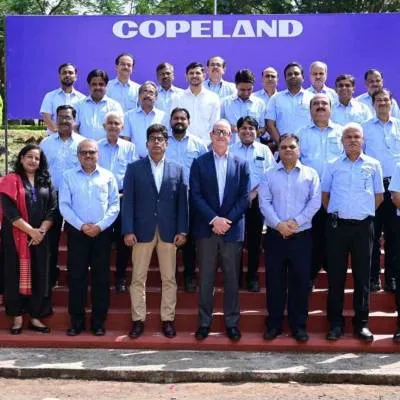
Copeland Expands Scroll Compressor Manufacturing in India

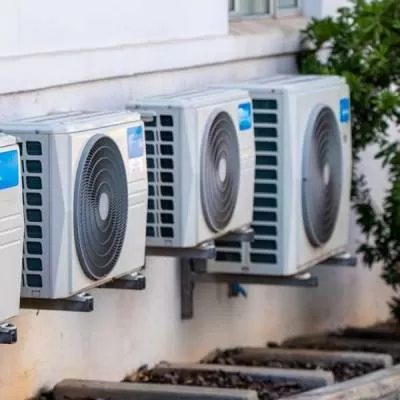
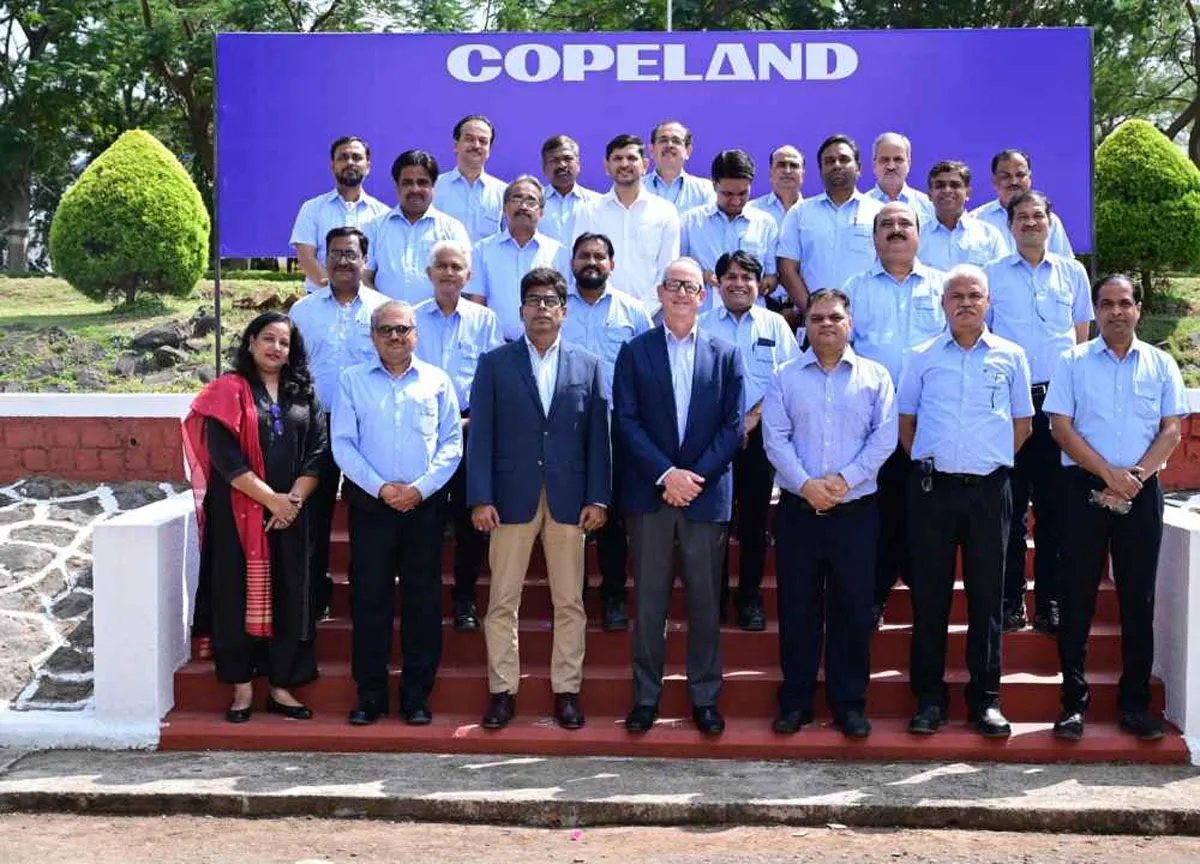
Copeland has expanded its manufacturing capabilities in Atit, Maharashtra, becoming the first company to manufacture scroll compressors in India. Production began in December 2025, marking a significant milestone in strengthening domestic manufacturing capabilities for heating, ventilation, air conditioning and refrigeration (HVACR) applications.The expansion forms part of Copeland's Rs 5 billion investment initiative announced in 2024, which also includes strengthening its engineering and innovation capabilities in Pune. The investment aims to support India's growing HVACR market while enhanc..

Advertisement

Subscribe to Our Newsletter

Get daily newsletters around different themes from Construction world.

STAY CONNECTED

Advertisement

SPECIAL OFFER
QR Code