+
Steel Prices To Rise On Coking Coal Costs And Demand Revival
ECONOMY & POLICY

Steel Prices To Rise On Coking Coal Costs And Demand Revival

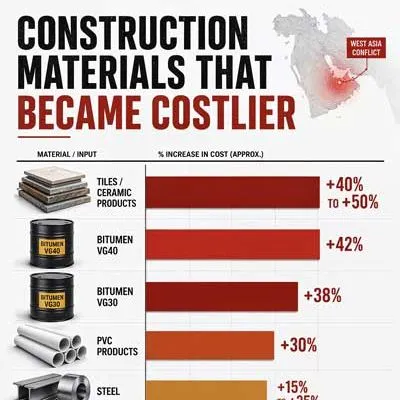
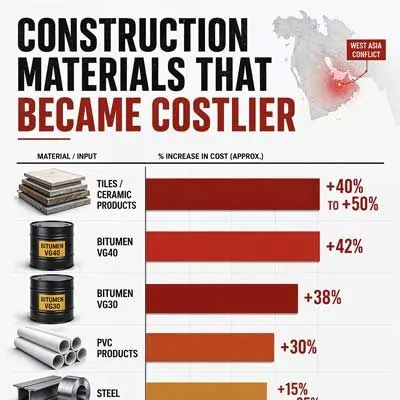
Steel prices are poised to rise further as rising coking coal costs combine with a revival in demand across key sectors. Producers are reported to face higher input bills driven by global coking coal markets and freight costs, prompting them to seek price adjustments. The pass-through of raw material inflation is reducing mill margins and encouraging firms to recalibrate production schedules. Buyers are likely to reassess procurement plans in response to sustained cost pressures.

Demand revival is being supported by infrastructure activity, construction and a steady pickup in manufacturing orders, which together are tightening steel availability. Domestic consumption has improved as projects delayed during previous cycles resume, while some exporters have sought additional volumes to meet overseas commitments. This combination of firmer demand and constrained supply has created a window for price increases, particularly for long products and specialised grades tied closely to coking coal usage. Secondary markets are reflecting these dynamics through higher offers.

Steelmakers are adjusting contract prices and spot rates in response to input cost trajectories, and inventory strategies are being revised to mitigate margin erosion. Some firms are exploring alternative feedstock mixes and efficiency measures to offset part of the increase in coking coal costs, while others are prioritising higher value orders. Users of steel, including construction firms and capital goods manufacturers, are expected to factor elevated procurement costs into project budgets and tendering.

Market participants note that near term volatility may persist as international coal markets and freight conditions evolve, and as policy measures influence domestic supply chains. Regulators and industry bodies are reported to be monitoring price movements and supply indicators while assessing the need for interventions to ensure orderly markets. The outlook remains contingent on how quickly supply tightness eases and whether demand momentum sustains, shaping pricing trends for the coming months.

Steel prices are poised to rise further as rising coking coal costs combine with a revival in demand across key sectors. Producers are reported to face higher input bills driven by global coking coal markets and freight costs, prompting them to seek price adjustments. The pass-through of raw material inflation is reducing mill margins and encouraging firms to recalibrate production schedules. Buyers are likely to reassess procurement plans in response to sustained cost pressures. Demand revival is being supported by infrastructure activity, construction and a steady pickup in manufacturing orders, which together are tightening steel availability. Domestic consumption has improved as projects delayed during previous cycles resume, while some exporters have sought additional volumes to meet overseas commitments. This combination of firmer demand and constrained supply has created a window for price increases, particularly for long products and specialised grades tied closely to coking coal usage. Secondary markets are reflecting these dynamics through higher offers. Steelmakers are adjusting contract prices and spot rates in response to input cost trajectories, and inventory strategies are being revised to mitigate margin erosion. Some firms are exploring alternative feedstock mixes and efficiency measures to offset part of the increase in coking coal costs, while others are prioritising higher value orders. Users of steel, including construction firms and capital goods manufacturers, are expected to factor elevated procurement costs into project budgets and tendering. Market participants note that near term volatility may persist as international coal markets and freight conditions evolve, and as policy measures influence domestic supply chains. Regulators and industry bodies are reported to be monitoring price movements and supply indicators while assessing the need for interventions to ensure orderly markets. The outlook remains contingent on how quickly supply tightness eases and whether demand momentum sustains, shaping pricing trends for the coming months.

Related Stories

Gold Stories

Next Story
Infrastructure Energy

Alternative Fuels Overtake Petrol As August Retail Peaks

The Indian automobile industry recorded its best-ever August retail as alternative fuels such as compressed natural gas, hybrid and electric vehicles combined overtook petrol in the passenger vehicle segment for the first time. The shift coincided with oil price rises linked to the war in the Middle East and a cooled public response to higher ethanol content in petrol. Dealers attributed stronger demand to lower running costs and concerns over the E20 petrol transition. Data released by the Federation of Automobile Dealers Associations (FADA) showed total vehicle retail registrations in August..

Next Story
Infrastructure Urban

Singapore Minister Defends SIA Investment In Air India

Singapore government defended Singapore Airlines' investment in Air India after two weeks of public scrutiny over a funding request, saying the flag carrier must expand overseas and that outcomes are for the company and its shareholders to judge. The remarks in parliament followed reports that Air India had sought about US$1.5 billion (US$1.5 bn) of fresh equity from owners Tata Sons and Singapore Airlines. The issue drew attention because Singapore Airlines is majority-owned by Temasek and raised questions about Temasek's role. Officials framed the matter as a commercial decision rather than ..

Next Story
Infrastructure Transport

IndiGo To Begin Guwahati Bangkok Flights

IndiGo will launch non-stop flights between Guwahati and Bangkok from 27 October 2026, marking the carrier's first international operations from the city. A special inaugural service will operate on 27 October, with regular twice a week flights scheduled from 31 October on Wednesdays and Saturdays, subject to regulatory approvals. The new link will provide direct connectivity between Northeast India and Thailand and expand the airline's India–Thailand network. The inaugural Bangkok to Guwahati sector, flight 6E1086, is scheduled to depart Bangkok at 8:50 am and arrive in Guwahati at 10:25 am..

Advertisement

Subscribe to Our Newsletter

Get daily newsletters around different themes from Construction world.

STAY CONNECTED

Advertisement

SPECIAL OFFER
QR Code