


EFC Clears Rs 7.59 Billion South Delhi Infra Push
ECONOMY & POLICY

EFC Clears Rs 7.59 Billion South Delhi Infra Push

The Expenditure Finance Committee has cleared three long-pending infrastructure projects in South Delhi—the Modi Mill Flyover, Savitri Cinema Flyover and the MB Road storm water drain—aimed at ensuring signal-free traffic flow, improving road capacity and addressing chronic waterlogging, according to an official statement.

The projects will be executed by the Public Works Department with a combined investment of over Rs 7.59 billion, reflecting the government’s focus on integrated and future-ready urban development. Once completed, the upgrades are expected to benefit thousands of daily commuters by easing congestion and improving travel reliability.

Under the flyover package, the corridor from the Modi Mill Flyover to the IIT Gate intersection will have three lanes in each direction, enabling smoother and uninterrupted traffic flow. The project includes the construction of a new two-way Modi Mill Flyover at the Outer Ring Road–Captain Gaur Marg junction, the doubling of the existing Savitri Cinema Flyover at the Savitri Cinema intersection, and capacity augmentation along the Outer Ring Road corridor.

The total approved cost for the flyover works is Rs 3.72 billion, with Rs 3.13 billion allocated for the Modi Mill Flyover and Rs 0.59 billion for the Savitri Cinema Flyover. The construction period has been set at 30 months. With the Modi Mill Flyover, the three-lane carriageway length from Kalkaji Mandir to Modi Mill will be 1,140 metres, while the return stretch will measure 870 metres. The Savitri Cinema Flyover will have a three-lane carriageway length of 435 metres. Once operational, the flyovers are expected to eliminate bottlenecks at key junctions, including Captain Gaur Marg–Outer Ring Road and Outer Ring Road–GK-II Road.

Complementing the flyover projects, the MB Road storm water drain project has been approved to resolve long-standing flooding issues caused by damaged, missing and inadequate drainage infrastructure. The project covers the stretch from Lado Sarai T-Point to Pul Prahladpur, spanning a road length of 11.38 km and a total drain length of 22.76 km. It will involve the construction of a pre-cast reinforced cement concrete box drain at an estimated cost of Rs 3.88 billion, with an implementation period of 2.5 years, including pre-construction activities. The project aligns with the Delhi Drainage Master Plan and addresses damage caused during metro construction as well as insufficient carrying capacity of existing drains.

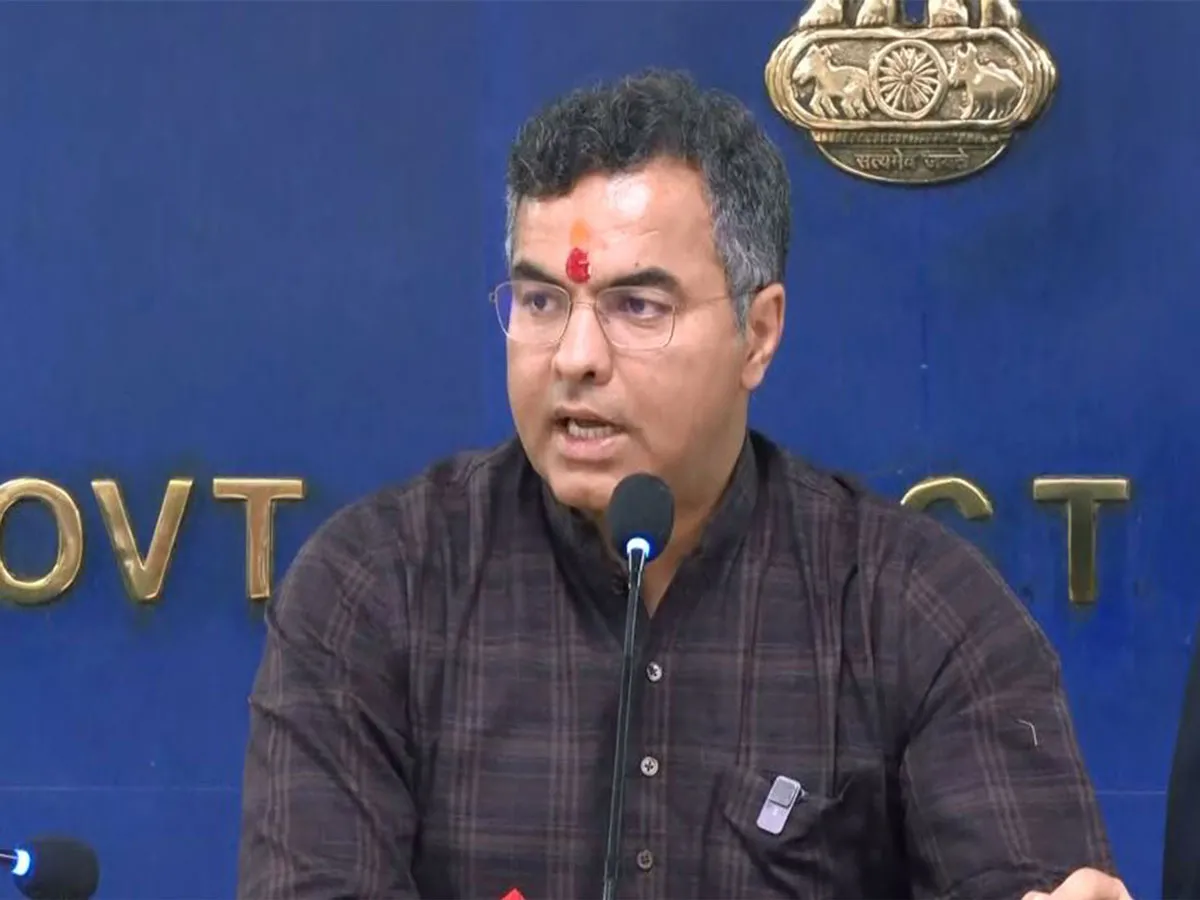
PWD Minister Parvesh Sahib Singh said the EFC clearance signals the government’s intent to end prolonged delays and move decisively towards execution. He emphasised that traffic decongestion and storm water drainage are being planned together to deliver lasting solutions rather than temporary fixes. The minister added that strict quality control and adherence to timelines would be ensured, with close monitoring throughout implementation.

Once completed, the projects are expected to deliver smoother traffic flow, flood-free roads during the monsoon, improved pedestrian infrastructure and long-term maintenance savings, marking a significant step towards a more resilient and commuter-friendly South Delhi.

The Expenditure Finance Committee has cleared three long-pending infrastructure projects in South Delhi—the Modi Mill Flyover, Savitri Cinema Flyover and the MB Road storm water drain—aimed at ensuring signal-free traffic flow, improving road capacity and addressing chronic waterlogging, according to an official statement. The projects will be executed by the Public Works Department with a combined investment of over Rs 7.59 billion, reflecting the government’s focus on integrated and future-ready urban development. Once completed, the upgrades are expected to benefit thousands of daily commuters by easing congestion and improving travel reliability. Under the flyover package, the corridor from the Modi Mill Flyover to the IIT Gate intersection will have three lanes in each direction, enabling smoother and uninterrupted traffic flow. The project includes the construction of a new two-way Modi Mill Flyover at the Outer Ring Road–Captain Gaur Marg junction, the doubling of the existing Savitri Cinema Flyover at the Savitri Cinema intersection, and capacity augmentation along the Outer Ring Road corridor. The total approved cost for the flyover works is Rs 3.72 billion, with Rs 3.13 billion allocated for the Modi Mill Flyover and Rs 0.59 billion for the Savitri Cinema Flyover. The construction period has been set at 30 months. With the Modi Mill Flyover, the three-lane carriageway length from Kalkaji Mandir to Modi Mill will be 1,140 metres, while the return stretch will measure 870 metres. The Savitri Cinema Flyover will have a three-lane carriageway length of 435 metres. Once operational, the flyovers are expected to eliminate bottlenecks at key junctions, including Captain Gaur Marg–Outer Ring Road and Outer Ring Road–GK-II Road. Complementing the flyover projects, the MB Road storm water drain project has been approved to resolve long-standing flooding issues caused by damaged, missing and inadequate drainage infrastructure. The project covers the stretch from Lado Sarai T-Point to Pul Prahladpur, spanning a road length of 11.38 km and a total drain length of 22.76 km. It will involve the construction of a pre-cast reinforced cement concrete box drain at an estimated cost of Rs 3.88 billion, with an implementation period of 2.5 years, including pre-construction activities. The project aligns with the Delhi Drainage Master Plan and addresses damage caused during metro construction as well as insufficient carrying capacity of existing drains. PWD Minister Parvesh Sahib Singh said the EFC clearance signals the government’s intent to end prolonged delays and move decisively towards execution. He emphasised that traffic decongestion and storm water drainage are being planned together to deliver lasting solutions rather than temporary fixes. The minister added that strict quality control and adherence to timelines would be ensured, with close monitoring throughout implementation. Once completed, the projects are expected to deliver smoother traffic flow, flood-free roads during the monsoon, improved pedestrian infrastructure and long-term maintenance savings, marking a significant step towards a more resilient and commuter-friendly South Delhi.

Next Story
Infrastructure Transport

RRTS emerges as key growth driver for real estate and mobility: Knight Frank

India’s Regional Rapid Transit System (RRTS) is emerging as a major catalyst for urban growth and investment, with strong demand from commuters and rising interest from real estate investors, according to a new report by Knight Frank India.Titled “Regional Rapid Transit System: Testing the Commuters’ Pulse”, the study highlights that nearly 66 per cent of surveyed respondents are willing to purchase property along RRTS corridors, while 80 per cent associate improved connectivity with enhanced economic opportunities. The findings underline the growing role of high-speed regional transit..

Next Story
Infrastructure Transport

Centre To Set Up Bureau Of Port Security

The government will constitute a dedicated Bureau of Port Security (BoPS) to oversee the security of vessels and port facilities across India, official sources said on Friday. The move is aimed at strengthening maritime security through a centralised and specialised institutional framework. Union Home Minister Amit Shah chaired a meeting on the constitution of BoPS, which was attended by Sarbananda Sonowal, Union Minister for Ports, Shipping and Waterways, and Ram Mohan Naidu, Minister of Civil Aviation. During the discussions, Mr Shah underlined the need for a robust and future-ready port se..

Next Story
Infrastructure Energy

Adani Eyes AI Data Centres And Nuclear Power

The Adani Group is planning an aggressive expansion of artificial intelligence data centres and the energy infrastructure required to support them, including the possible development of nuclear power plants, according to comments by Jeet Adani to Nikkei Asia. Jeet Adani, the youngest son of billionaire Gautam Adani, said data centres have emerged as a major growth engine for the group, with current expansion already exceeding targets earlier set for 2030. Demand for AI-led infrastructure continues to rise rapidly, he noted, adding that India is well positioned to host global AI data centres d..

Advertisement

Subscribe to Our Newsletter

Get daily newsletters around different themes from Construction world.

STAY CONNECTED

Advertisement

Advertisement

Advertisement

Advertisement

Open In App














