Flyover Proposal Sparks Hope For North Chennai Commuters
ECONOMY & POLICY

Flyover Proposal Sparks Hope For North Chennai Commuters

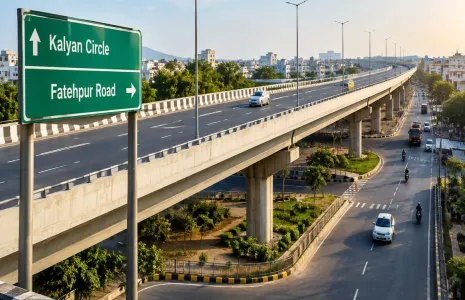
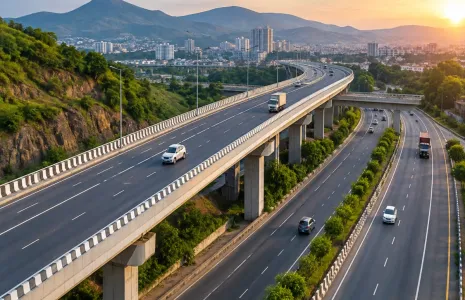
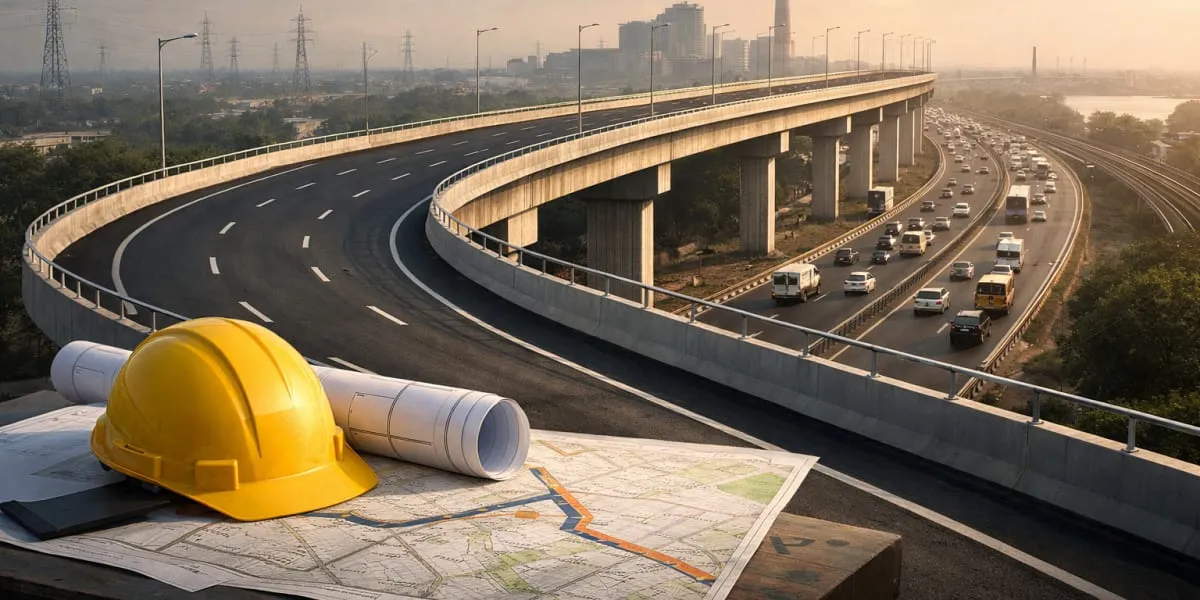
The state government has renewed efforts to build an elevated corridor along the 10.5-km Madhavaram-Nallur stretch of the Chennai-Kolkata national highway, a move that officials say could provide a lasting solution to chronic congestion in North Chennai. Chief Minister C Joseph Vijay pressed the union government at a recent NITI Aayog meeting to support the project alongside other infrastructure initiatives. The proposal has raised expectations among local residents and civic groups.

The route continues to act as a major bottleneck because it could not be widened into a six-lane carriageway owing to widespread encroachments and resistance from traders. By contrast, the 33.5-km section from the Nallur toll plaza to the Tamil Nadu and Andhra Pradesh border has already been widened to six lanes and opened to traffic, illustrating the potential benefits of complete corridor upgrades.

Residents estimate the 10.5-km stretch carries nearly 0.15 million (mn) vehicles a day, contributing to severe delays that affect emergency response and daily commuting. A village welfare association representative reported that during medical emergencies it often takes 90 minutes or more to reach hospitals in the city because of gridlock on the highway. National Highways Authority of India has prepared a detailed project report for an elevated corridor from the Chennai Bypass to the Outer Ring Road near the Nallur toll plaza, but implementation stalled after 2018.

Community activists have called on the state government and the highway authority to form a coordination committee to resolve bottlenecks in widening works and to expedite the elevated corridor, which they argue would ease through traffic and improve access for North Chennai. Officials have proposed handing the stretch to the state, noting that heavy urbanisation has placed traffic signals at nearly every kilometre and that frequent pedestrian crossings and access to both sides disrupt through movement. Addressing encroachments and trader resistance remains central to any durable solution.

"Join industry leaders at RAHSTA Expo, India's premier platform for roads, highways and traffic infrastructure. Register now to explore innovations, network with experts and shape the future of mobility."

The state government has renewed efforts to build an elevated corridor along the 10.5-km Madhavaram-Nallur stretch of the Chennai-Kolkata national highway, a move that officials say could provide a lasting solution to chronic congestion in North Chennai. Chief Minister C Joseph Vijay pressed the union government at a recent NITI Aayog meeting to support the project alongside other infrastructure initiatives. The proposal has raised expectations among local residents and civic groups. The route continues to act as a major bottleneck because it could not be widened into a six-lane carriageway owing to widespread encroachments and resistance from traders. By contrast, the 33.5-km section from the Nallur toll plaza to the Tamil Nadu and Andhra Pradesh border has already been widened to six lanes and opened to traffic, illustrating the potential benefits of complete corridor upgrades. Residents estimate the 10.5-km stretch carries nearly 0.15 million (mn) vehicles a day, contributing to severe delays that affect emergency response and daily commuting. A village welfare association representative reported that during medical emergencies it often takes 90 minutes or more to reach hospitals in the city because of gridlock on the highway. National Highways Authority of India has prepared a detailed project report for an elevated corridor from the Chennai Bypass to the Outer Ring Road near the Nallur toll plaza, but implementation stalled after 2018. Community activists have called on the state government and the highway authority to form a coordination committee to resolve bottlenecks in widening works and to expedite the elevated corridor, which they argue would ease through traffic and improve access for North Chennai. Officials have proposed handing the stretch to the state, noting that heavy urbanisation has placed traffic signals at nearly every kilometre and that frequent pedestrian crossings and access to both sides disrupt through movement. Addressing encroachments and trader resistance remains central to any durable solution.

Next Story
Infrastructure Transport

Third Railway Line Between Tatanagar And Adityapur Likely By September

The third railway line between Tatanagar and Adityapur is expected to be commissioned by September as work on the corridor advances, according to railway sources. The project to add a fourth line on the busy route is progressing and has been allocated Rs 50.89 billion (bn) in funding. The allocation underscores the focus on increasing capacity and easing congestion on the corridor. Relevant timetables are being adjusted to integrate the new capacity into regular operations. Construction activity has involved track laying, formation work and signalling upgrades along strategic stretches, with m..

Next Story
Infrastructure Transport

Indian Railways Approves Rs 2.7 bn Kavach Rollout in Odisha

Indian Railways has approved a Rs 2.7 billion (Rs 2.7 bn) plan to install the Kavach train collision avoidance system on 631 route kilometres in the East Coast Railway zone. The Ministry of Railways said the work will form part of a wider Kavach deployment programme that relies on an LTE based communication backbone rather than a standalone installation. The approval marks the latest stage in the steady expansion of the indigenous safety technology across the national network. The decision aims to enhance safety and reliability on corridors serving Odisha and adjoining areas. The project will ..

Next Story
Infrastructure Transport

Indian Railways Accelerates Modernisation Drive

Indian Railways utilised nearly 30 per cent of its capital expenditure budget for FY2026-27 within the first two months of the financial year, spending more than Rs 840 billion (bn) in April and May against a planned outlay of Rs 2.93 trillion (tn) for the year. The Union Budget allocated Rs 2.93 tn in total capex, comprising Rs 2.81 tn through gross budgetary support and Rs 120 bn from extra-budgetary resources. The early absorption indicates robust project execution and an aggressive infrastructure push. A significant share of the spending is being channelled towards track infrastructure, in..

Advertisement

Subscribe to Our Newsletter

Get daily newsletters around different themes from Construction world.

STAY CONNECTED

Advertisement

Advertisement

Advertisement