India Develops Bharat Train Control System for Bullet Trains
RAILWAYS & METRO RAIL

India Develops Bharat Train Control System for Bullet Trains

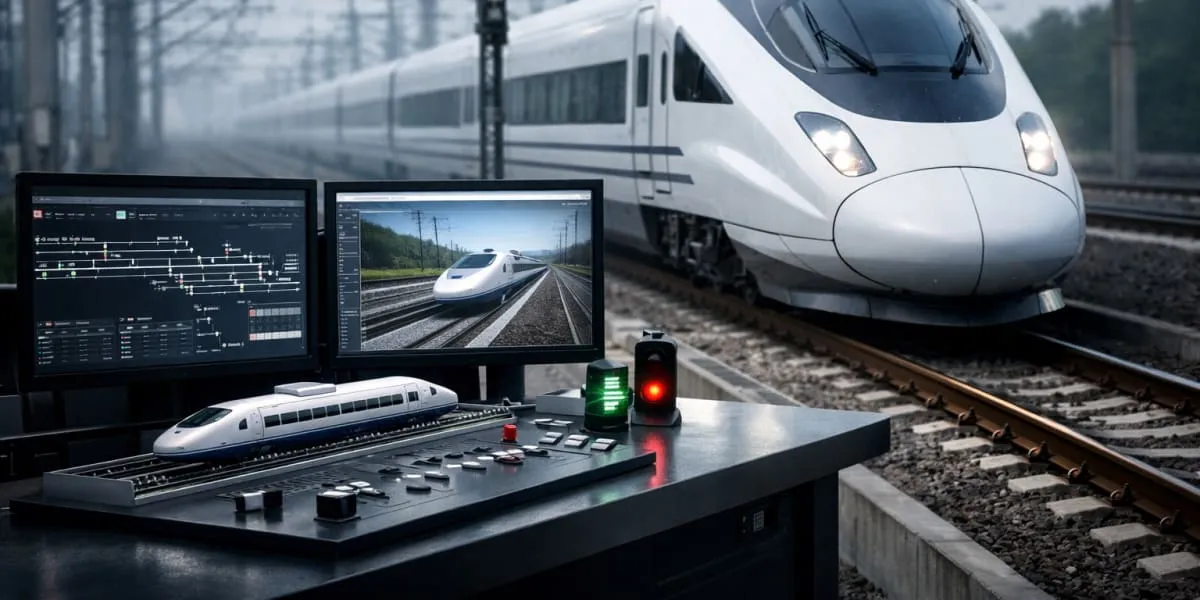
The Bharat Train Control System (BTCS) is being developed by Indian Railways as a homegrown high-speed rail signalling system for future bullet train corridors, including the proposed Delhi to Varanasi route. The indigenous project draws on experience from the Mumbai to Ahmedabad bullet train project and aims to reduce reliance on foreign technology. The system is being designed to support trains operating at speeds of up to 350 kmph and to meet Indian operational and climatic conditions.

The Centre has approved seven new bullet train corridors and officials expect routes and designs to be finalised by the middle of next year. BTCS is intended to replace foreign signalling systems on forthcoming high-speed projects and is being planned as an open-source, cost-effective solution tailored to domestic needs. Developers are emphasising interoperability with existing railway infrastructure and opportunities for local suppliers.

Authorities project that BTCS will lower the capital cost of future corridors, support the growth of Indian railway equipment manufacturers and accelerate network expansion, while also creating potential export prospects. India’s first bullet train between Mumbai and Ahmedabad currently uses the European Train Control System Level two and last year the National High Speed Rail Corporation Limited awarded a Rs 41 bn signalling contract to a consortium led by Dineshchandra R Agrawal Infracon Pvt Ltd and Siemens Germany for systems designed for 350 kmph operation. The Delhi to Meerut Namo Bharat corridor similarly employs ETCS Level two technology developed by Alstom.

The shift to an indigenous signalling platform reflects a broader policy emphasis on technological self reliance in transport infrastructure and on cost containment for large projects. Officials expect the move to create a domestic ecosystem for high speed rail components and services, potentially reducing future project timelines and import dependencies. Implementation timelines will depend on testing, certification and rollout schedules for BTCS across corridors.

The Bharat Train Control System (BTCS) is being developed by Indian Railways as a homegrown high-speed rail signalling system for future bullet train corridors, including the proposed Delhi to Varanasi route. The indigenous project draws on experience from the Mumbai to Ahmedabad bullet train project and aims to reduce reliance on foreign technology. The system is being designed to support trains operating at speeds of up to 350 kmph and to meet Indian operational and climatic conditions. The Centre has approved seven new bullet train corridors and officials expect routes and designs to be finalised by the middle of next year. BTCS is intended to replace foreign signalling systems on forthcoming high-speed projects and is being planned as an open-source, cost-effective solution tailored to domestic needs. Developers are emphasising interoperability with existing railway infrastructure and opportunities for local suppliers. Authorities project that BTCS will lower the capital cost of future corridors, support the growth of Indian railway equipment manufacturers and accelerate network expansion, while also creating potential export prospects. India’s first bullet train between Mumbai and Ahmedabad currently uses the European Train Control System Level two and last year the National High Speed Rail Corporation Limited awarded a Rs 41 bn signalling contract to a consortium led by Dineshchandra R Agrawal Infracon Pvt Ltd and Siemens Germany for systems designed for 350 kmph operation. The Delhi to Meerut Namo Bharat corridor similarly employs ETCS Level two technology developed by Alstom. The shift to an indigenous signalling platform reflects a broader policy emphasis on technological self reliance in transport infrastructure and on cost containment for large projects. Officials expect the move to create a domestic ecosystem for high speed rail components and services, potentially reducing future project timelines and import dependencies. Implementation timelines will depend on testing, certification and rollout schedules for BTCS across corridors.

Next Story
Infrastructure Urban

AI Powered Security Robot To Debut At Puri Station

The East Coast Railway (ECoR) has unveiled an artificial intelligence powered robotic surveillance platform that will be deployed at Puri railway station ahead of Lord Jagannath's Bahuda Yatra on 24 July to enhance passenger safety and security. The platform, named DSC ARJUN, was revealed in the presence of ECoR General Manager Parmeshwar Funkwal and senior railway and Railway Protection Force (RPF) officers. ECoR officials said the system has been introduced as a temporary deployment for the festival and may later be shifted to Bhubaneswar railway station. Developed to support Railway Protect..

Next Story
Infrastructure Urban

India Eases RCMC Rule For Low Value Exports

The Directorate General of Foreign Trade (DGFT) has proposed exempting low value export consignments from the requirement to hold a registration-cum-membership certificate (RCMC), in a move intended to simplify compliance for small exporters. The proposal targets shipments with a free-on-board value of up to Rs 10,000 and seeks to reduce paperwork for first time exporters and micro, small and medium enterprises. The announcement forms part of a wider government effort to encourage exports through online platforms and emerging delivery channels. Under the proposed amendment to Paragraph 2.57 of..

Next Story
Infrastructure Urban

Assam Launches Centre Of Excellence For Additive Manufacturing

The Assam government has inaugurated a Digital Design and additive manufacturing centre of excellence in Guwahati, signalling a push towards technology driven manufacturing across the state. Chief Minister Himanta Biswa Sarma opened the facility and outlined its intended role in fostering innovation, product development and entrepreneurship. The centre will provide industries, startups and researchers with access to advanced digital manufacturing tools and additive manufacturing capabilities. Officials said the facility aims to strengthen the state innovation ecosystem and reduce dependence on..

Advertisement

Subscribe to Our Newsletter

Get daily newsletters around different themes from Construction world.

STAY CONNECTED

Advertisement

Advertisement

Advertisement