India's Coal Demand Seen At One Point Six Billion Tonnes By 2030
ECONOMY & POLICY

India's Coal Demand Seen At One Point Six Billion Tonnes By 2030

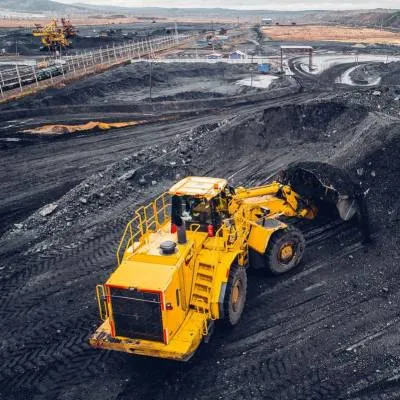
India's coal demand is projected to reach one point six billion tonnes (bn t) by 2030, the Coal Secretary said as the government emphasised a shift towards market-driven trade to meet growing energy needs and industrial expansion. The projection reflects anticipated increases in power generation, manufacturing and other coal-intensive sectors and underlines the need for more efficient supply allocation across regions. Officials indicated that planners expect market mechanisms to complement production growth so that supply and demand can be balanced without excessive administrative controls.

Policy measures being advanced include wider use of trading platforms, e-auction frameworks and contractual flexibility that would allow producers and consumers to negotiate supply terms more dynamically. The government intends these reforms to improve price discovery and to reduce mismatches between regional supply and demand by enabling commercial entities to respond to market signals. Greater private participation in trading is expected to diversify supply chains and encourage investment in logistics and handling. Regulators are said to be working on rules to ensure transparency and to protect consumer interests while fostering competitive markets.

The shift towards market-driven arrangements has implications for investment and infrastructure, notably in mine capacity, rail and port connectivity and storage facilities that support timely deliveries. An emphasis on operational efficiency and cleaner combustion technologies is likely to remain necessary to manage emissions even as coal continues to play a role in the near term energy mix. Enhanced trading could also help moderate reliance on imports by making domestic supplies more accessible to industries across states.

Officials indicated that the government will seek to balance affordability and supply reliability while pursuing reform, and that regulatory clarity will be prioritised to bolster investor confidence. Stakeholder consultations are expected to continue as mechanisms are refined. The aim is that market-driven trade, supported by targeted investment and logistics improvements, will help deliver the projected one point six bn t of coal demand by 2030.

India's coal demand is projected to reach one point six billion tonnes (bn t) by 2030, the Coal Secretary said as the government emphasised a shift towards market-driven trade to meet growing energy needs and industrial expansion. The projection reflects anticipated increases in power generation, manufacturing and other coal-intensive sectors and underlines the need for more efficient supply allocation across regions. Officials indicated that planners expect market mechanisms to complement production growth so that supply and demand can be balanced without excessive administrative controls. Policy measures being advanced include wider use of trading platforms, e-auction frameworks and contractual flexibility that would allow producers and consumers to negotiate supply terms more dynamically. The government intends these reforms to improve price discovery and to reduce mismatches between regional supply and demand by enabling commercial entities to respond to market signals. Greater private participation in trading is expected to diversify supply chains and encourage investment in logistics and handling. Regulators are said to be working on rules to ensure transparency and to protect consumer interests while fostering competitive markets. The shift towards market-driven arrangements has implications for investment and infrastructure, notably in mine capacity, rail and port connectivity and storage facilities that support timely deliveries. An emphasis on operational efficiency and cleaner combustion technologies is likely to remain necessary to manage emissions even as coal continues to play a role in the near term energy mix. Enhanced trading could also help moderate reliance on imports by making domestic supplies more accessible to industries across states. Officials indicated that the government will seek to balance affordability and supply reliability while pursuing reform, and that regulatory clarity will be prioritised to bolster investor confidence. Stakeholder consultations are expected to continue as mechanisms are refined. The aim is that market-driven trade, supported by targeted investment and logistics improvements, will help deliver the projected one point six bn t of coal demand by 2030.

Related Stories

Gold Stories

Next Story
Infrastructure Urban

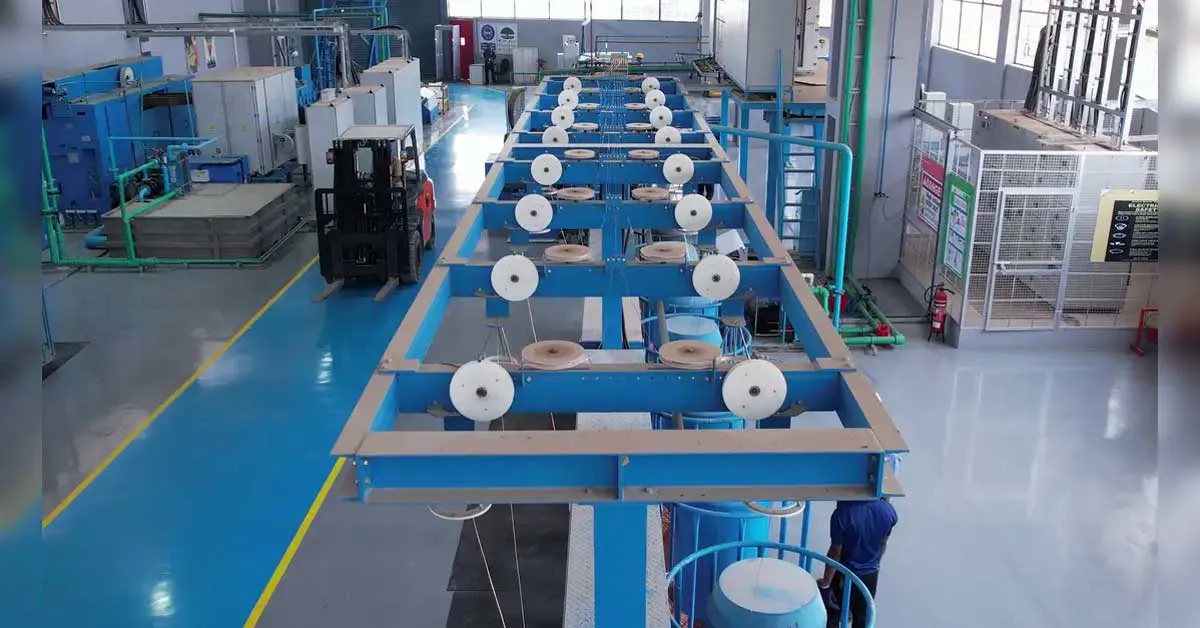
Gopalan Metals Enters Building Wires Segment

Gopalan Metals (India) has recently launched Gopalan Wires and Cables, marking its entry into the building wires segment for residential, commercial and industrial applications.The product portfolio currently includes Flame Retardant (FR) and Flame Retardant Low Smoke and Halogen (FRLS-H) PVC house wires. The products are manufactured at the company’s Hoskote facility in Karnataka, which has a production capacity of around 6,000 km of building wires per month.Gopalan Wires and Cables will cater to electrical dealers, distributors, contractors, builders, infrastructure projects, OEMs and end ..

Next Story
Real Estate

KONE India Opens New Office in Jabalpur

KONE India has recently inaugurated a new office in Jabalpur, strengthening its presence and customer reach across Central Madhya Pradesh.The office will serve customers in Rewa, Satna, Singrauli and Katni, while also expanding the company’s reach into emerging markets such as Shahdol and Seoni. It will provide local sales, service and installation support to address growing customer requirements across the region.Amit Gossain, Managing Director, KONE India, said, “Jabalpur is an important market for us, and this new office brings us closer to our customers in the area. As the region conti..
Next Story
Infrastructure Urban

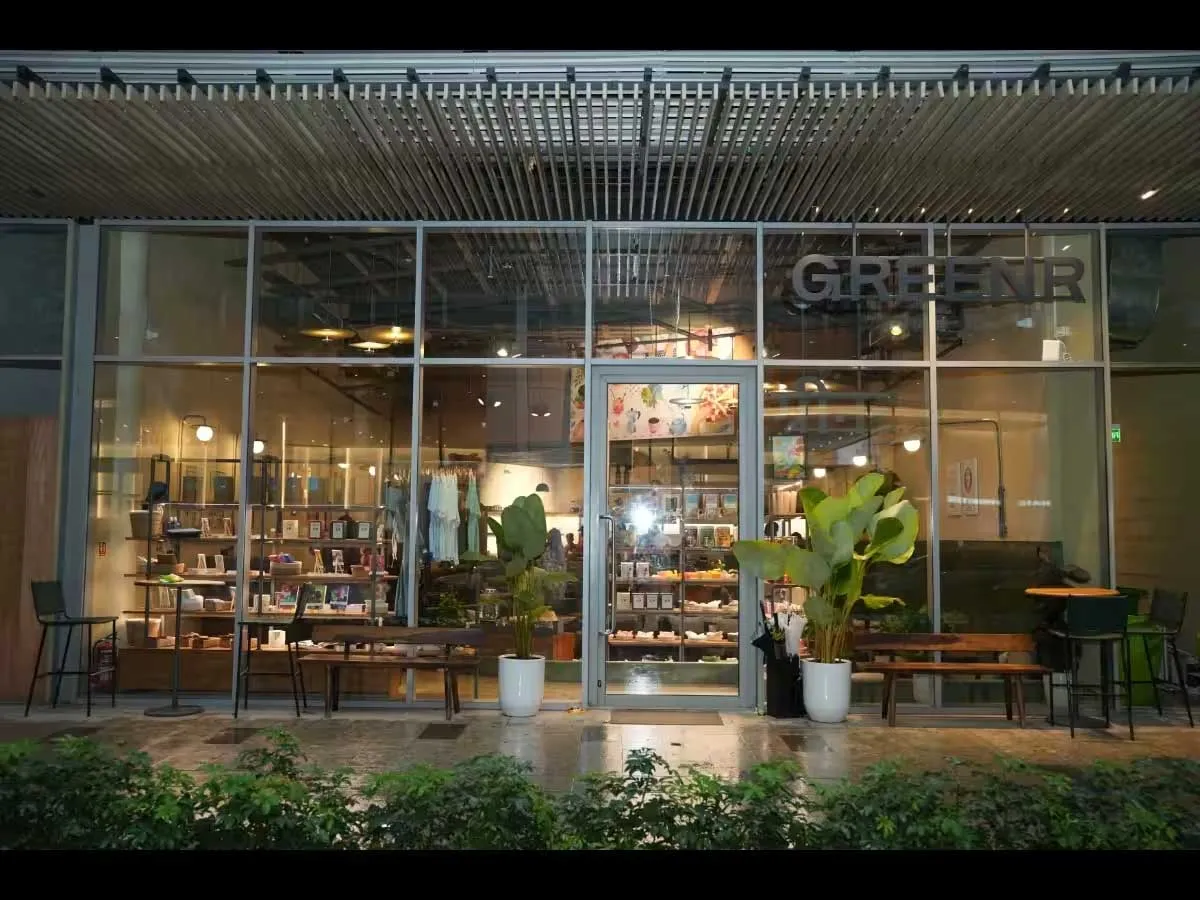
Greenr Opens 12th Outlet at Oberoi Garden City, Goregaon

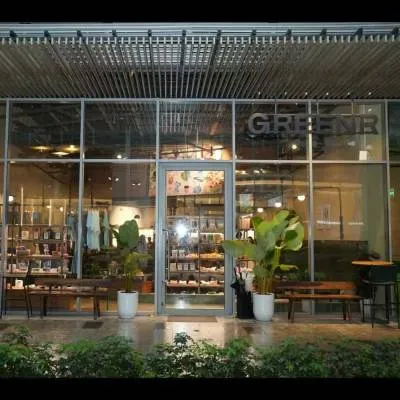
Greenr has recently opened its newest outlet at Cafés. Restaurants. Bars. within International Business Park, Oberoi Garden City, Goregaon, marking its 12th location in India and further strengthening its presence in Mumbai.The outlet brings together Greenr’s plant-forward food, specialty coffee and community-focused experiences in a format designed for professionals, residents and visitors. The space is intended to support dining, coffee meetings, informal work sessions and social interactions throughout the day.Greenr’s offering combines globally inspired vegetarian cuisine with wellnes..

Advertisement

Subscribe to Our Newsletter

Get daily newsletters around different themes from Construction world.

STAY CONNECTED

Advertisement