MSME Cannot Claim Revival Framework Benefit After SARFAESI Action
ECONOMY & POLICY

MSME Cannot Claim Revival Framework Benefit After SARFAESI Action

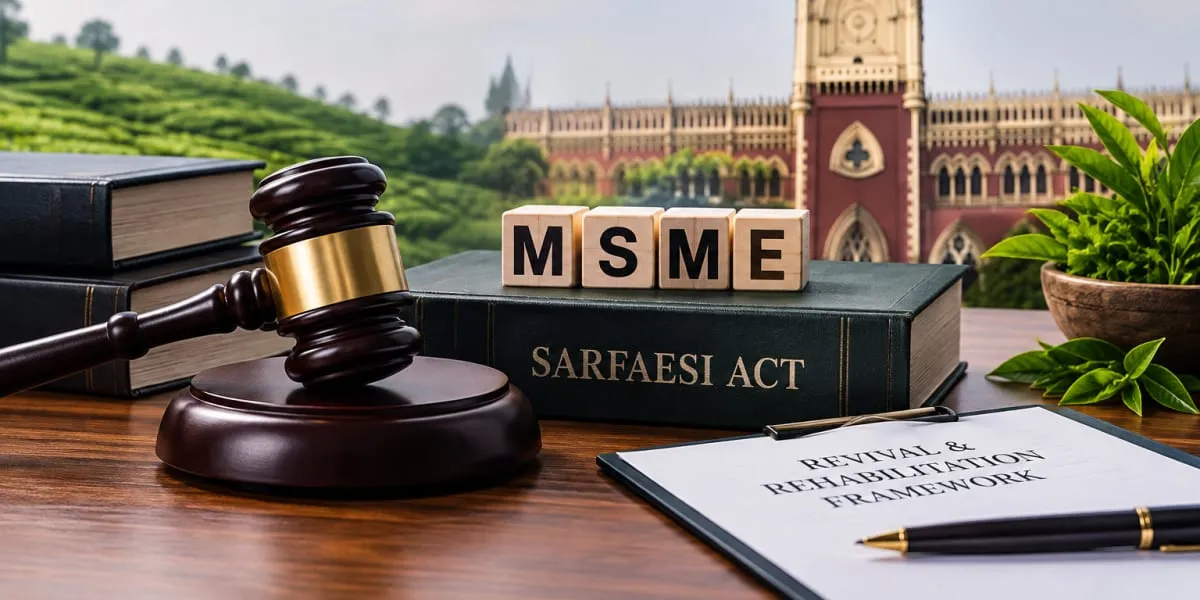
The Calcutta High Court has dismissed a writ petition filed by Debpara Tea Company against the State Bank of India, ruling that a micro, small and medium enterprise cannot seek the benefit of the Framework for Revival and Rehabilitation of MSMEs at a belated stage after recovery proceedings under the Securitisation and Reconstruction of Financial Assets and Enforcement of Security Interest (SARFAESI) Act have begun.

Justice Krishna Rao observed that Debpara Tea Company sought the framework’s benefit only after SBI issued a notice under Section 13(4) of the SARFAESI Act. The company had also approached the Debt Recovery Tribunal (DRT) under Section 17, where its securitisation application remained pending.

The company received financial assistance of Rs. 137.3 mn in October 2020, which was enhanced in May 2022. SBI classified the account as a non-performing asset on December 29, 2023, and issued a demand notice under Section 13(2) of the SARFAESI Act on March 21, 2024.

Debpara Tea Company submitted a representation to SBI on July 15, 2024, but the court noted that it did not seek the benefit of the MSME revival framework at that stage. SBI subsequently issued the Section 13(4) notice on September 16, 2024, following which the company pursued its statutory remedy before the DRT.

The High Court held that once the company had invoked the DRT remedy, its grievance could not be adjudicated through a writ petition. Referring to the judgments in Pro Knits and Shri Shri Swami Samarth, it said banks must follow the MSME framework before classifying an account as a non-performing asset, while an eligible enterprise must assert its entitlement promptly and follow the prescribed procedure. The court therefore declined to extend the revival framework’s benefit at the later stage and dismissed the petition.

The Calcutta High Court has dismissed a writ petition filed by Debpara Tea Company against the State Bank of India, ruling that a micro, small and medium enterprise cannot seek the benefit of the Framework for Revival and Rehabilitation of MSMEs at a belated stage after recovery proceedings under the Securitisation and Reconstruction of Financial Assets and Enforcement of Security Interest (SARFAESI) Act have begun. Justice Krishna Rao observed that Debpara Tea Company sought the framework’s benefit only after SBI issued a notice under Section 13(4) of the SARFAESI Act. The company had also approached the Debt Recovery Tribunal (DRT) under Section 17, where its securitisation application remained pending. The company received financial assistance of Rs. 137.3 mn in October 2020, which was enhanced in May 2022. SBI classified the account as a non-performing asset on December 29, 2023, and issued a demand notice under Section 13(2) of the SARFAESI Act on March 21, 2024. Debpara Tea Company submitted a representation to SBI on July 15, 2024, but the court noted that it did not seek the benefit of the MSME revival framework at that stage. SBI subsequently issued the Section 13(4) notice on September 16, 2024, following which the company pursued its statutory remedy before the DRT. The High Court held that once the company had invoked the DRT remedy, its grievance could not be adjudicated through a writ petition. Referring to the judgments in Pro Knits and Shri Shri Swami Samarth, it said banks must follow the MSME framework before classifying an account as a non-performing asset, while an eligible enterprise must assert its entitlement promptly and follow the prescribed procedure. The court therefore declined to extend the revival framework’s benefit at the later stage and dismissed the petition.

Related Stories

Gold Stories

Next Story
Equipment

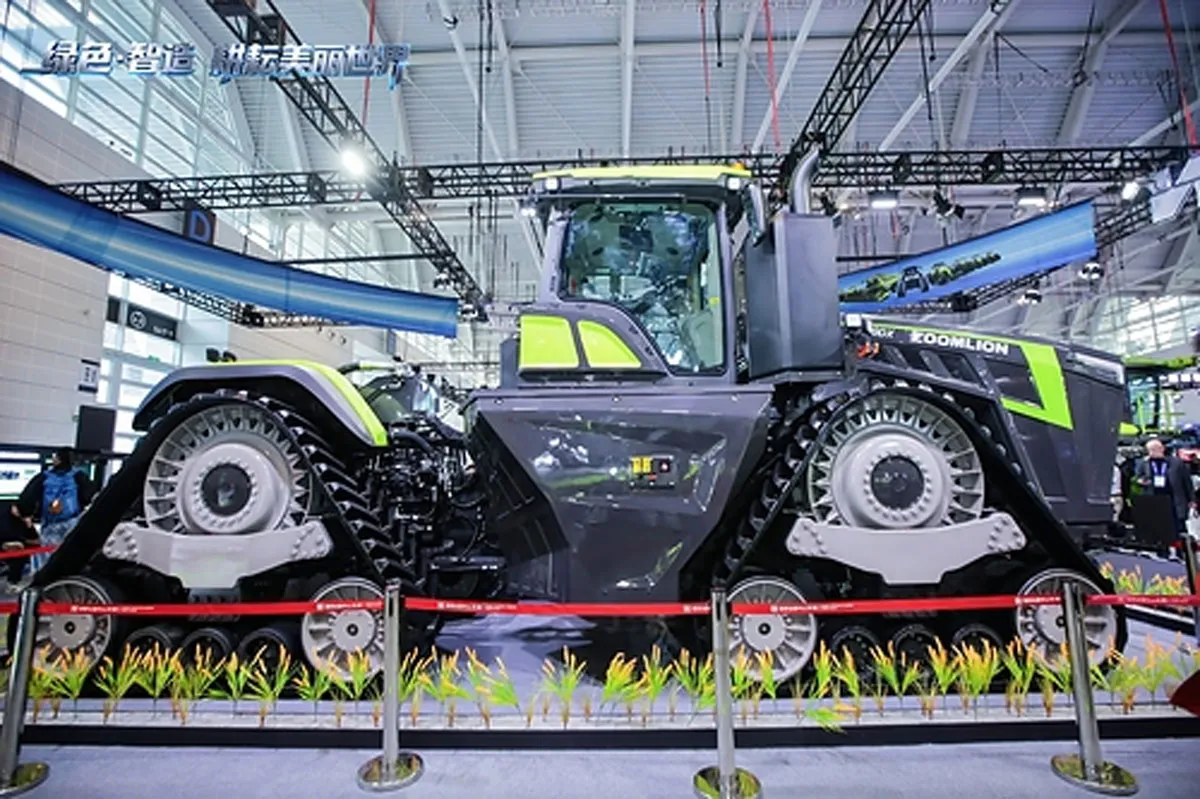
Zoomlion Unveils 1,600 HP Hybrid Tractor for Large Farms

Zoomlion Heavy Industry Science & Technology has recently unveiled its 9DX hybrid tractor at the 2026 China International Agricultural Machinery Exhibition in China. Delivering a peak output of 1,600 horsepower, the tractor is claimed by the company to be the world's most powerful and is designed for large-scale, heavy-duty agricultural operations.The 9DX incorporates an in-house-developed digital chassis, core components and intelligent control systems. Its hybrid continuously variable transmission technology and 800-volt dual-motor coupling system generate peak torque of 7,200 Nm, enabli..
Next Story
Infrastructure Urban

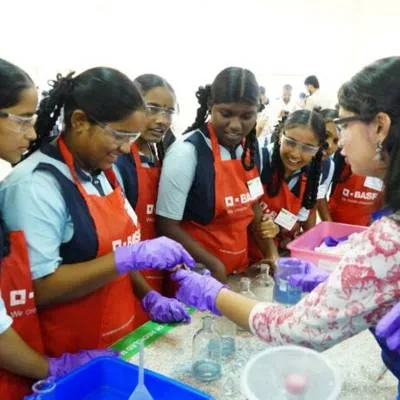
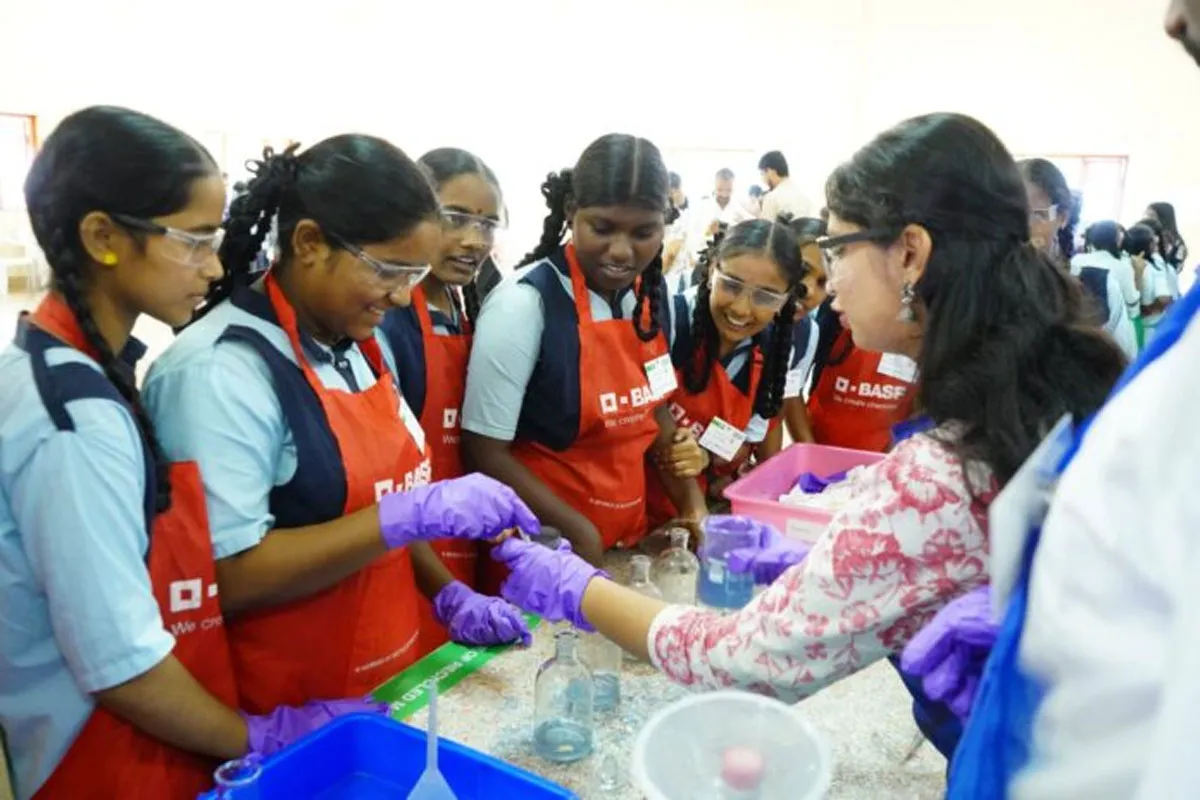
BASF Kids' Lab Brings Climate Education to 1,150 Hyderabad Students

BASF, in collaboration with the CSIR-Indian Institute of Chemical Technology (CSIR-IICT), Hyderabad, has recently organised its Kids' Lab programme from 26 to 31 October 2026, aiming to engage 1,150 municipal schoolchildren in hands-on chemistry experiments and climate action awareness.Designed for children aged eight to 12, the initiative encourages scientific curiosity through interactive experiments while introducing concepts related to sustainability, environmental protection and climate change.The BASF Kids' Lab programme operates in more than 30 countries and has reached over 62,000 scho..
Next Story
Building Material

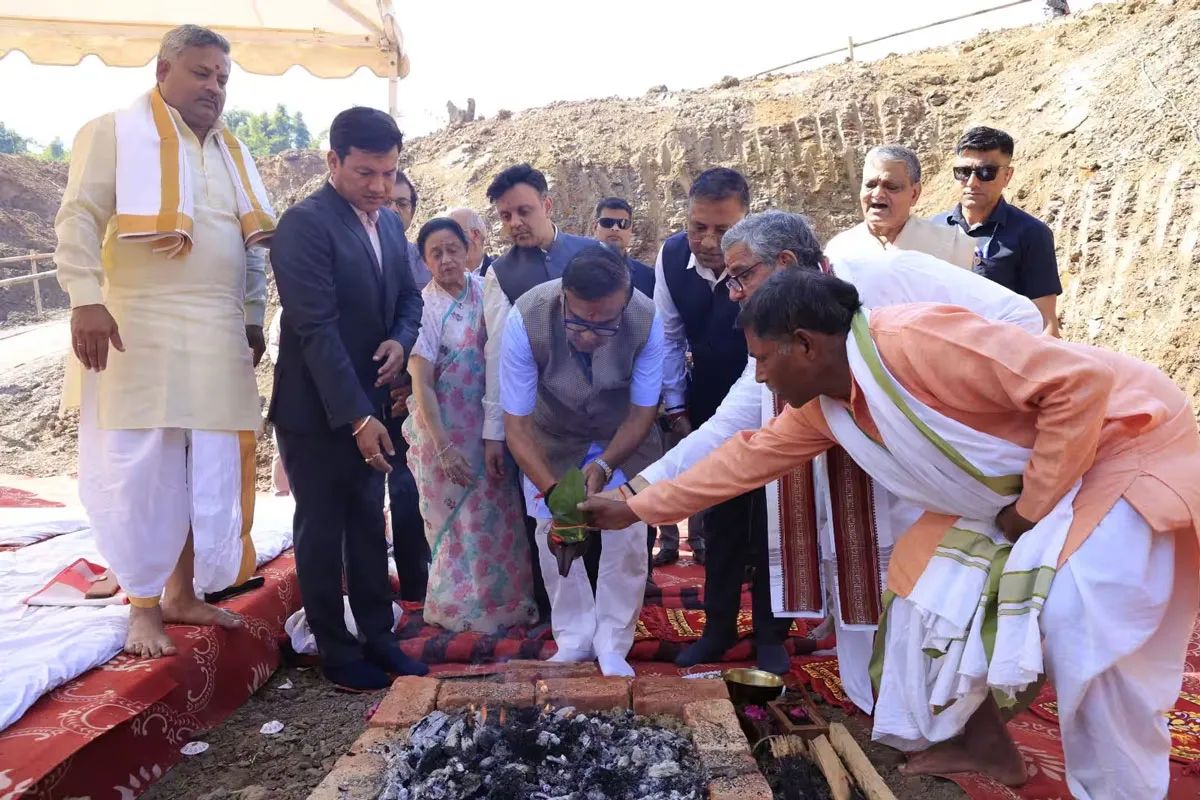
JK Lakshmi Cement Begins Rs 110 Billion Assam Plant Project

JK Lakshmi Cement has recently laid the foundation stone for Project Kamakshi, its first integrated cement manufacturing facility in Assam, marking its entry into Northeast India. The groundbreaking ceremony was held at Umrangso village in Dima Hasao district in the presence of Assam Chief Minister Himanta Biswa Sarma.The project involves an investment of Rs 110 billion, including the mining lease, and will have an annual cement production capacity of 2.5 million tonnes, supported by a 1 million tonne clinkerisation unit. Scheduled for completion by FY2029, the facility is expected to generate..

Advertisement

Subscribe to Our Newsletter

Get daily newsletters around different themes from Construction world.

STAY CONNECTED

Advertisement

SPECIAL OFFER
QR Code