+
Mumbai Transport Stack To Create Unified Intelligent Network
ECONOMY & POLICY

Mumbai Transport Stack To Create Unified Intelligent Network

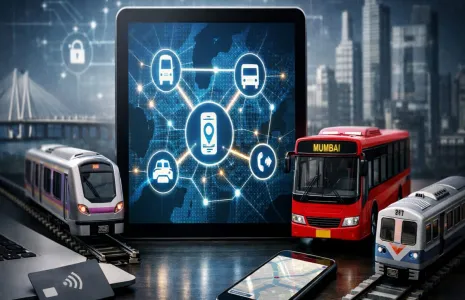
The Mumbai Transport Stack (MTS) is being developed as a digital public infrastructure that adopts open standard data exchange protocols and the Mobility as a Service (MaaS) framework. The Mumbai Metropolitan Region Development Authority (MMRDA) said the platform is intended to make Metro, bus, suburban rail and other systems interoperable through secure data exchange and to provide a coordinating layer for operators, government agencies and mobility service providers. The MTS is structured around five core principles that are designed to support scalable and privacy minded mobility services.

Those principles include open source, interoperability, privacy by design, trusted security and scalability; together they aim to create a secure data backbone for seamless communication between transport stakeholders. The MMRDA explained that real time feeds and standardised interfaces will enable operators and agencies to share status updates, schedules and performance metrics while preserving user privacy. The architecture will employ an open application programming interface (API) approach to allow private developers and public innovators to build interoperable services.

When operational, the MTS is expected to support a unified transport ecosystem powered by secure data highways and to assist smarter urban planning and infrastructure development. Integration of real time mobility data is anticipated to inform demand forecasting, route optimisation and asset management while enabling more responsive scheduling. The open API environment should foster innovation in areas such as ticketing, trip planning and analytics and could encourage scalable private sector solutions across the Mumbai metropolitan region.

For commuters, the initiative is intended to enable end to end ticket booking, real time tracking of trains, buses and Metro services and seamless multimodal trip planning to reduce friction when switching modes. The platform will also publish real time parking information and other traveller services that can be integrated into third party mobility offerings. The MMRDA said the effort is aimed at building a unified, intelligent transport network for the future and that the approach is not merely a technical upgrade but a strategic framework for coordinated urban mobility.

The Mumbai Transport Stack (MTS) is being developed as a digital public infrastructure that adopts open standard data exchange protocols and the Mobility as a Service (MaaS) framework. The Mumbai Metropolitan Region Development Authority (MMRDA) said the platform is intended to make Metro, bus, suburban rail and other systems interoperable through secure data exchange and to provide a coordinating layer for operators, government agencies and mobility service providers. The MTS is structured around five core principles that are designed to support scalable and privacy minded mobility services. Those principles include open source, interoperability, privacy by design, trusted security and scalability; together they aim to create a secure data backbone for seamless communication between transport stakeholders. The MMRDA explained that real time feeds and standardised interfaces will enable operators and agencies to share status updates, schedules and performance metrics while preserving user privacy. The architecture will employ an open application programming interface (API) approach to allow private developers and public innovators to build interoperable services. When operational, the MTS is expected to support a unified transport ecosystem powered by secure data highways and to assist smarter urban planning and infrastructure development. Integration of real time mobility data is anticipated to inform demand forecasting, route optimisation and asset management while enabling more responsive scheduling. The open API environment should foster innovation in areas such as ticketing, trip planning and analytics and could encourage scalable private sector solutions across the Mumbai metropolitan region. For commuters, the initiative is intended to enable end to end ticket booking, real time tracking of trains, buses and Metro services and seamless multimodal trip planning to reduce friction when switching modes. The platform will also publish real time parking information and other traveller services that can be integrated into third party mobility offerings. The MMRDA said the effort is aimed at building a unified, intelligent transport network for the future and that the approach is not merely a technical upgrade but a strategic framework for coordinated urban mobility.

Next Story
Building Material

Seppa Township Road Being Paved With Bituminous Concrete

Work is underway to pave the main township road in Seppa with bituminous concrete, marking a significant upgrade to the local transport network. The project is being overseen by the district administration and carried out by municipal contractors using mechanised laying equipment. The initiative aims to replace older surface material that had become potholed and dusty, and to improve all weather access for residents and public services. Local officials have coordinated traffic diversions and site safety measures to minimise disruption during construction. The work includes preparing the base, ..

Next Story
Infrastructure Transport

Tribal Hohos Urge CM To Approve Foothills Road Phase Two

13 Dimapur-based tribal Hohos have urged the Chief Minister to ensure the issuance of the second phase work order for the Foothills Road project on or before 31 March 2026, warning that failure to meet the deadline would compel them to resort to democratic means. The bodies expressed appreciation for government support towards the project, known as the Nagaland People's Road, while stressing that remaining formalities must not be delayed. They described the project as a people-driven initiative of high public value. The Foothills Road project covers a stretch of 395.9 kilometres from Tizit in ..

Next Story
Infrastructure Transport

India Approves First Underwater Road-Rail Tunnel Project

The Indian government has approved the country's first underwater road-rail tunnel project, marking a major step in urban and coastal infrastructure development. The decision signals a shift towards integrated transport corridors that combine road and rail modes to enhance connectivity and resilience. Authorities characterised the approval as a milestone for engineering ambition and national connectivity planning. The move reflects rising investment in large scale infrastructure to support urbanisation and coastal commerce. France has positioned India as a top priority market and is targeting ..

Advertisement

Subscribe to Our Newsletter

Get daily newsletters around different themes from Construction world.

STAY CONNECTED

Advertisement

Advertisement

Advertisement

Open In App