Prime Minister To Inaugurate First Namo Bharat RRTS And Meerut Metro
POWER & RENEWABLE ENERGY

Prime Minister To Inaugurate First Namo Bharat RRTS And Meerut Metro

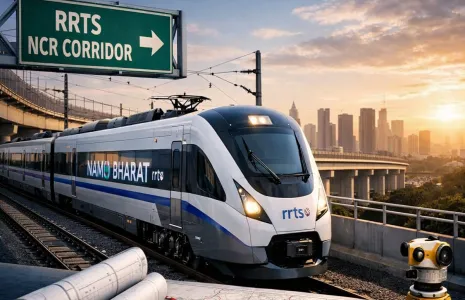
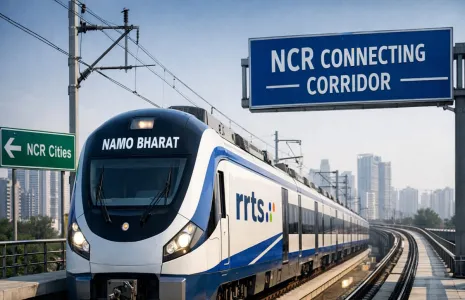
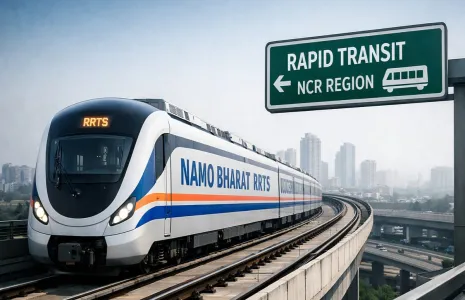
Prime Minister Narendra Modi will inaugurate India’s first Namo Bharat Rapid Rail Transit System (RRTS) and the Meerut Metro today. The dual opening is presented as a major milestone for regional connectivity and urban mobility in the state of Uttar Pradesh and the National Capital Region. Officials say the new systems will commence passenger services immediately and are expected to integrate with existing suburban networks to ease commuter flows. The inauguration follows years of planning and construction overseen by central and state agencies.

The RRTS is described by authorities as a modern, high frequency corridor designed to reduce travel time between key urban centres. Planners anticipate that improved connectivity will support daily commuters and stimulate economic activity along the route without compromising existing services. The project is also framed as part of a broader push to modernise transit infrastructure and to provide a reliable alternative to road transport. Authorities underline operational safety and scheduling as priorities during the initial phase.

The Meerut Metro is expected to strengthen intra city mobility by offering rapid, dependable services and to enhance last mile connectivity for neighbourhoods currently served by bus and para transit. Municipal planners note that the system will facilitate easier access to commercial hubs, hospitals and educational institutions and will be integrated with feeder services. The metro is presented as a component of local urban development plans that aim to decongest roads and to promote sustainable travel choices. Local transport officials are preparing for passenger roll out and service monitoring.

Government statements indicate that these inaugurations form part of a long term agenda to expand modern transit and to support economic growth while advancing environmental goals through reduced vehicular emissions. Officials expect the operational systems to be refined based on passenger feedback and performance metrics and to inform future expansions. The projects are cited as examples of coordinated planning between central, state and local bodies and as steps towards more resilient urban infrastructure for residents and commuters.

Prime Minister Narendra Modi will inaugurate India’s first Namo Bharat Rapid Rail Transit System (RRTS) and the Meerut Metro today. The dual opening is presented as a major milestone for regional connectivity and urban mobility in the state of Uttar Pradesh and the National Capital Region. Officials say the new systems will commence passenger services immediately and are expected to integrate with existing suburban networks to ease commuter flows. The inauguration follows years of planning and construction overseen by central and state agencies. The RRTS is described by authorities as a modern, high frequency corridor designed to reduce travel time between key urban centres. Planners anticipate that improved connectivity will support daily commuters and stimulate economic activity along the route without compromising existing services. The project is also framed as part of a broader push to modernise transit infrastructure and to provide a reliable alternative to road transport. Authorities underline operational safety and scheduling as priorities during the initial phase. The Meerut Metro is expected to strengthen intra city mobility by offering rapid, dependable services and to enhance last mile connectivity for neighbourhoods currently served by bus and para transit. Municipal planners note that the system will facilitate easier access to commercial hubs, hospitals and educational institutions and will be integrated with feeder services. The metro is presented as a component of local urban development plans that aim to decongest roads and to promote sustainable travel choices. Local transport officials are preparing for passenger roll out and service monitoring. Government statements indicate that these inaugurations form part of a long term agenda to expand modern transit and to support economic growth while advancing environmental goals through reduced vehicular emissions. Officials expect the operational systems to be refined based on passenger feedback and performance metrics and to inform future expansions. The projects are cited as examples of coordinated planning between central, state and local bodies and as steps towards more resilient urban infrastructure for residents and commuters.

Next Story
Infrastructure Urban

Lemon Tree Hotels Signs Resort In Lonavala Maharashtra

Lemon Tree Hotels Limited (LTHL) has signed a licence agreement for Lemon Tree Resort in Lonavala, Maharashtra, with the asset to be managed by Carnation Hotels Private Limited, a wholly owned subsidiary of LTHL. The resort will offer 50 well appointed rooms and will include a restaurant, banquet, meeting room, swimming pool, spa and fitness centre. The company described the addition as part of its strategy to expand branded resort offerings in key getaway destinations. Lonavala, located in the Sahyadri hills, is a popular leisure destination in western India known for scenic landscapes and a ..

Next Story
Infrastructure Urban

Kalai Chettinad Art And Architecture Festival At The Lotus Palace

The Lotus Palace Chettinad will host Kalai, the Chettinad Art and Architecture Festival, a four-day, three-night immersive celebration of the artistic legacy of Chettinad from three to six April 2026. The event has been organised by Apeejay Surrendra Park Hotels Limited (ASPHL) and will take place across restored heritage properties in Chettinad. It will be designed to offer guests a layered experience of place, structure and story that connects art, architecture and living traditions. The festival aims to present a confluence of global influences and local aesthetics. Kalai has been curated i..

Next Story
Infrastructure Energy

SJVN Reaches One bn Units At 1,000 MW Bikaner Solar Project

SJVN Limited (SJVN) has reached a milestone with its 1,000 megawatt (MW) Bikaner Solar Power Project by generating one bn units of electricity on 20 March 2026. The achievement underscores the company's role in supplying clean and sustainable energy to the national grid. The generation milestone was recorded within months of the project commencing operations and highlights rapid performance from the new facility. The Bikaner project, located in Bikaner district of Rajasthan, has been developed and implemented by SJVN Green Energy Limited (SGEL) under the Central Public Sector Undertaking Schem..

Advertisement

Subscribe to Our Newsletter

Get daily newsletters around different themes from Construction world.

STAY CONNECTED

Advertisement

Advertisement

Advertisement