NPCIL And ECIL Sign MoU To Develop Indigenous Nuclear Technologies
ECONOMY & POLICY

NPCIL And ECIL Sign MoU To Develop Indigenous Nuclear Technologies

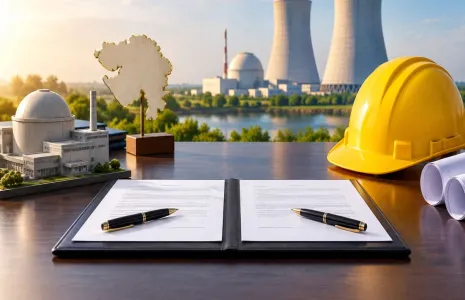
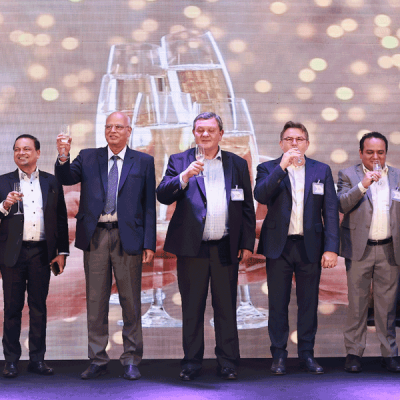
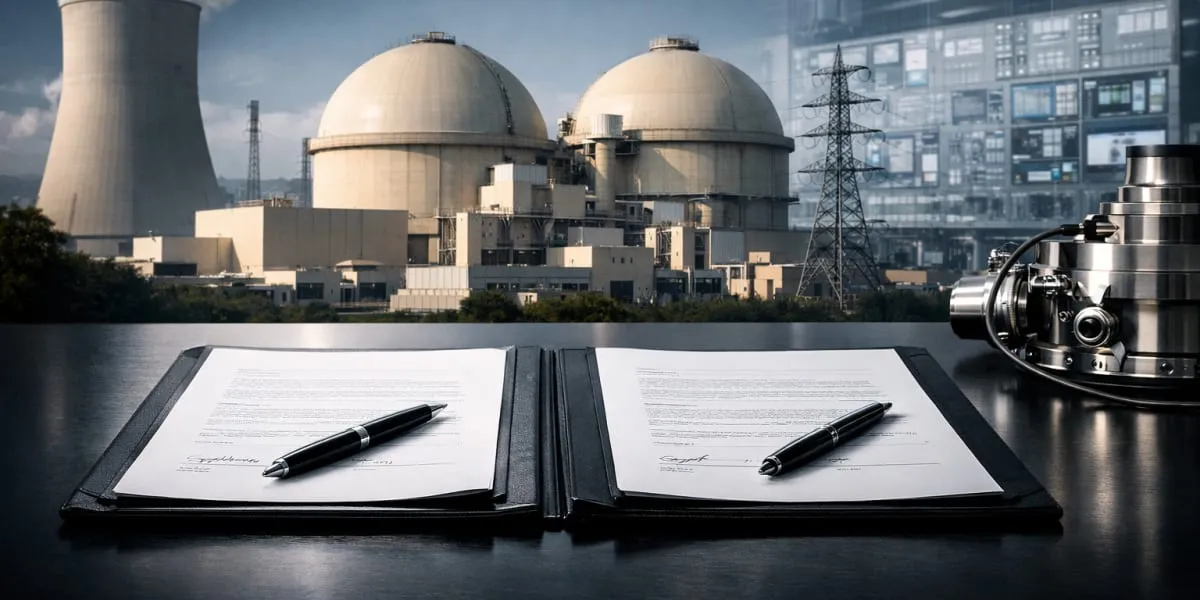
Nuclear Power Corporation of India Ltd (NPCIL) and Electronics Corporation of India Ltd (ECIL) have signed a memorandum of understanding to establish a long-term technology partnership to strengthen India's nuclear power programme. Both organisations are part of the Department of Atomic Energy (DAE) and will work jointly to develop indigenous technologies for existing and upcoming nuclear reactors. The partnership is intended to enhance technological self-reliance while supporting the country's expanding nuclear generation capacity.

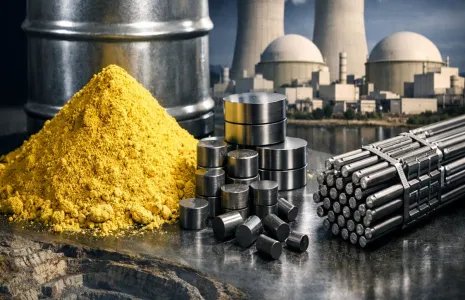
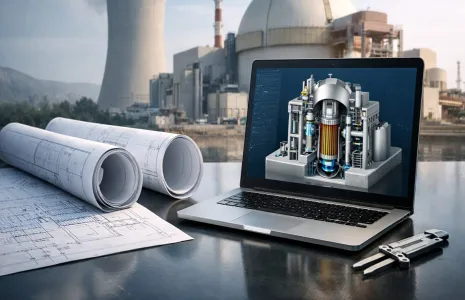
The collaboration will target the development of indigenous control and instrumentation (C&I) systems, computer-based systems and nuclear instrumentation, as well as training simulators and cybersecurity solutions for nuclear power plants. It will also focus on providing long-term lifecycle support for operating reactors and on measures to address technology obsolescence. Standardisation of critical systems across the nuclear fleet is a further objective to improve operational consistency and maintainability.

The two DAE organisations will coordinate research and development, testing and validation activities and seek to align engineering practices to national regulatory requirements. Emphasis will be placed on building domestic supply chains for key components and on knowledge transfer to support deployment schedules for current and future projects. The agreement is designed to create frameworks for joint programmes, shared facilities and capability building within the national nuclear technology ecosystem.

The partnership is expected to reduce dependence on imported systems for key nuclear infrastructure and to accelerate the adoption of indigenous solutions across projects. Long-term support arrangements are anticipated to extend asset life and help manage lifecycle costs through planned obsolescence mitigation. By strengthening domestic technology development, the collaboration aims to contribute to a more resilient, self-sufficient, robust national nuclear industry.

Nuclear Power Corporation of India Ltd (NPCIL) and Electronics Corporation of India Ltd (ECIL) have signed a memorandum of understanding to establish a long-term technology partnership to strengthen India's nuclear power programme. Both organisations are part of the Department of Atomic Energy (DAE) and will work jointly to develop indigenous technologies for existing and upcoming nuclear reactors. The partnership is intended to enhance technological self-reliance while supporting the country's expanding nuclear generation capacity. The collaboration will target the development of indigenous control and instrumentation (C&I) systems, computer-based systems and nuclear instrumentation, as well as training simulators and cybersecurity solutions for nuclear power plants. It will also focus on providing long-term lifecycle support for operating reactors and on measures to address technology obsolescence. Standardisation of critical systems across the nuclear fleet is a further objective to improve operational consistency and maintainability. The two DAE organisations will coordinate research and development, testing and validation activities and seek to align engineering practices to national regulatory requirements. Emphasis will be placed on building domestic supply chains for key components and on knowledge transfer to support deployment schedules for current and future projects. The agreement is designed to create frameworks for joint programmes, shared facilities and capability building within the national nuclear technology ecosystem. The partnership is expected to reduce dependence on imported systems for key nuclear infrastructure and to accelerate the adoption of indigenous solutions across projects. Long-term support arrangements are anticipated to extend asset life and help manage lifecycle costs through planned obsolescence mitigation. By strengthening domestic technology development, the collaboration aims to contribute to a more resilient, self-sufficient, robust national nuclear industry.

Next Story
Real Estate

We will continue to invest in integrated commercial destinations: Amrita Gupta

Amrita Gupta, Director, Manglam Group and CEO, Manglam Spa and Resorts, speaks on how projects like Westin Jaipur Resort and Sheraton Jaipur are strengthening Manglam Group's integrated real estate and hospitality strategy.Manglam Group has announced a Rs 1,000 crore hospitality expansion in Rajasthan—what strategic vision is driving this next phase of growth?Hospitality has emerged as a defining pillar of Manglam Group’s long-term growth strategy, underpinned by a vision of creating destination-led experiences that transcend conventional hospitality. The genesis of this journey was The We..

Next Story
Infrastructure Energy

Batliboi Wins Rs 520 Mn Contract For Solar Cell Pollution Controls

Batliboi Limited has secured a major contract from SAEL Industries Limited to supply pollution control systems for a new solar cell manufacturing facility at Jewar in Uttar Pradesh. The order instructs Batliboi Limited's EEG Division to design, engineer, supply, install and commission a PEX system to support SAEL Industries Limited's six GW solar cell line. The contract is domestic in origin and was submitted to the stock exchanges under regulatory disclosure requirements. The contract value is Rs 520 mn, reflecting a substantial order for environmental control equipment for the manufacturing ..

Next Story
Infrastructure Urban

Delhi Approves PARIVARTAN Scheme To Replace Old Trucks And Buses

The Delhi government has approved the Programme for Accelerated Renewal and Incentivisation of Vehicle Assets for Reducing Transport Air Pollution and Network Emissions (PARIVARTAN) to cut transport-related emissions in the national capital. The scheme, supported by the Ministry of Road Transport and Highways (MoRTH), will phase out old, polluting trucks and buses and replace them with BS-VI, higher-emission-standard or electric vehicles. The initiative is intended to modernise the commercial vehicle fleet and strengthen the capital's clean transport system. Owners of Light Goods Vehicles that..

Advertisement

Subscribe to Our Newsletter

Get daily newsletters around different themes from Construction world.

STAY CONNECTED

Advertisement

Advertisement

Advertisement