



SWITCH Mobility Drives Electric Urban Sanitation
ECONOMY & POLICY

SWITCH Mobility Drives Electric Urban Sanitation

Electric mobility is steadily expanding into municipal operations, with organisations adopting EVs to reduce costs, improve efficiency and support net-zero goals. SWITCH Mobility is advancing this shift by partnering with urban bodies to deploy electric sanitation solutions tailored for demanding city environments.

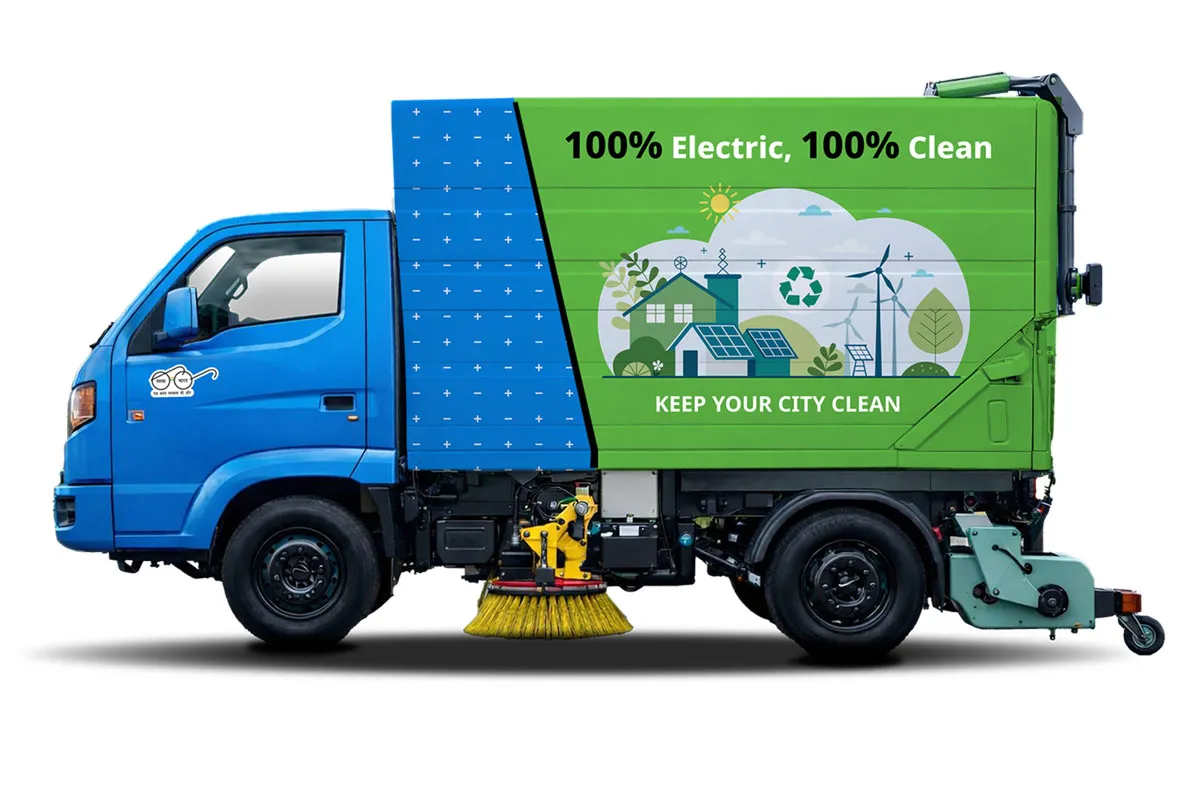
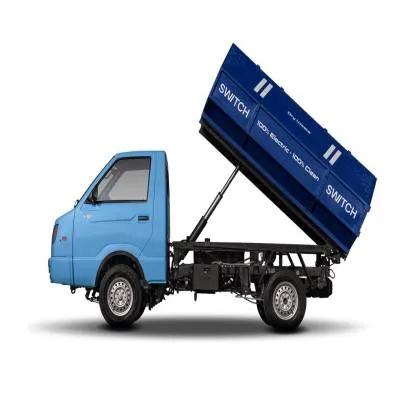
At Municipalika 2026 in New Delhi, the company showcased its IeV3 Garbage Tipper and IeV4 Electric Road Sweeper, highlighting their role in transforming waste management and city cleaning operations. The IeV3 Garbage Tipper, available in multiple configurations, offers structured waste segregation, payload capacity up to 1,250 kg and a range of up to 140 km, supported by fast charging and advanced telematics for efficient fleet management.

Complementing this, the IeV4 Electric Road Sweeper integrates vacuum suction and dust control systems to deliver high-performance cleaning while reducing airborne pollution. With a 2.0 cubic metre waste tank and compact design, it ensures efficient operations across congested urban areas.

These electric solutions combine zero-emission performance, lower maintenance and improved operational reliability, enabling municipalities to transition towards cleaner, quieter and more sustainable urban sanitation systems.

Electric mobility is steadily expanding into municipal operations, with organisations adopting EVs to reduce costs, improve efficiency and support net-zero goals. SWITCH Mobility is advancing this shift by partnering with urban bodies to deploy electric sanitation solutions tailored for demanding city environments.At Municipalika 2026 in New Delhi, the company showcased its IeV3 Garbage Tipper and IeV4 Electric Road Sweeper, highlighting their role in transforming waste management and city cleaning operations. The IeV3 Garbage Tipper, available in multiple configurations, offers structured waste segregation, payload capacity up to 1,250 kg and a range of up to 140 km, supported by fast charging and advanced telematics for efficient fleet management.Complementing this, the IeV4 Electric Road Sweeper integrates vacuum suction and dust control systems to deliver high-performance cleaning while reducing airborne pollution. With a 2.0 cubic metre waste tank and compact design, it ensures efficient operations across congested urban areas.These electric solutions combine zero-emission performance, lower maintenance and improved operational reliability, enabling municipalities to transition towards cleaner, quieter and more sustainable urban sanitation systems.

Next Story
Real Estate

Is RERA a Toothless Tiger?

RERA promised timely possession, financial discipline, transparency and faster redress. A decade later, it has changed how Indian real estate operates—projects are registered, disclosures are public, and developers work under greater scrutiny.But visibility is not the same as relief. RERA’s real test now lies in execution: whether orders are enforced, funds remain protected, projects are completed, and buyers receive justice without another long fight.One law, many state realitiesIndia has one central RERA Act, but its implementation depends heavily on state machinery. MoHUA’s September ..

Next Story
Real Estate

India’s Real Estate Cycle Needs More Than Capital. It Needs Predictability

India's real-estate cycle is in a moment most analysts describe as once in a generation. Capital is moving. Launches are accelerating. Institutional appetite – domestic and cross-border – has rarely been stronger. The pipeline is real. The ambition is genuine. And for the first time in years, all the conditions for a sustained growth phase appear to be in place.Yet capital alone has never built a project. Land alone has never delivered an outcome. The developers who will define this cycle are not those with the deepest pockets – they are the ones who have built the systems to execute on ..

Next Story
Equipment

Wanted: Missing Inputs

Facing cost headwinds, India’s material handling equipment industry is looking to localise a long list of components.Geopolitical turbulence in the Middle East has created tangible cost headwinds for the material handling equipment industry, compelling players to recalibrate their operations and take a long, hard look at design, with an eye on ushering in manufacturing and supply chain efficiencies, by means of greater localisation, supply chain adjustments or otherwise. Construction World’s analysis of the cost impact and remedial measures throws up ample opportunities for component maker..

Advertisement

Subscribe to Our Newsletter

Get daily newsletters around different themes from Construction world.

STAY CONNECTED

Advertisement

Advertisement

Advertisement

-->














