Vedanta Explores Biodiesel Use to Cut Emissions in Odisha
ECONOMY & POLICY

Vedanta Explores Biodiesel Use to Cut Emissions in Odisha

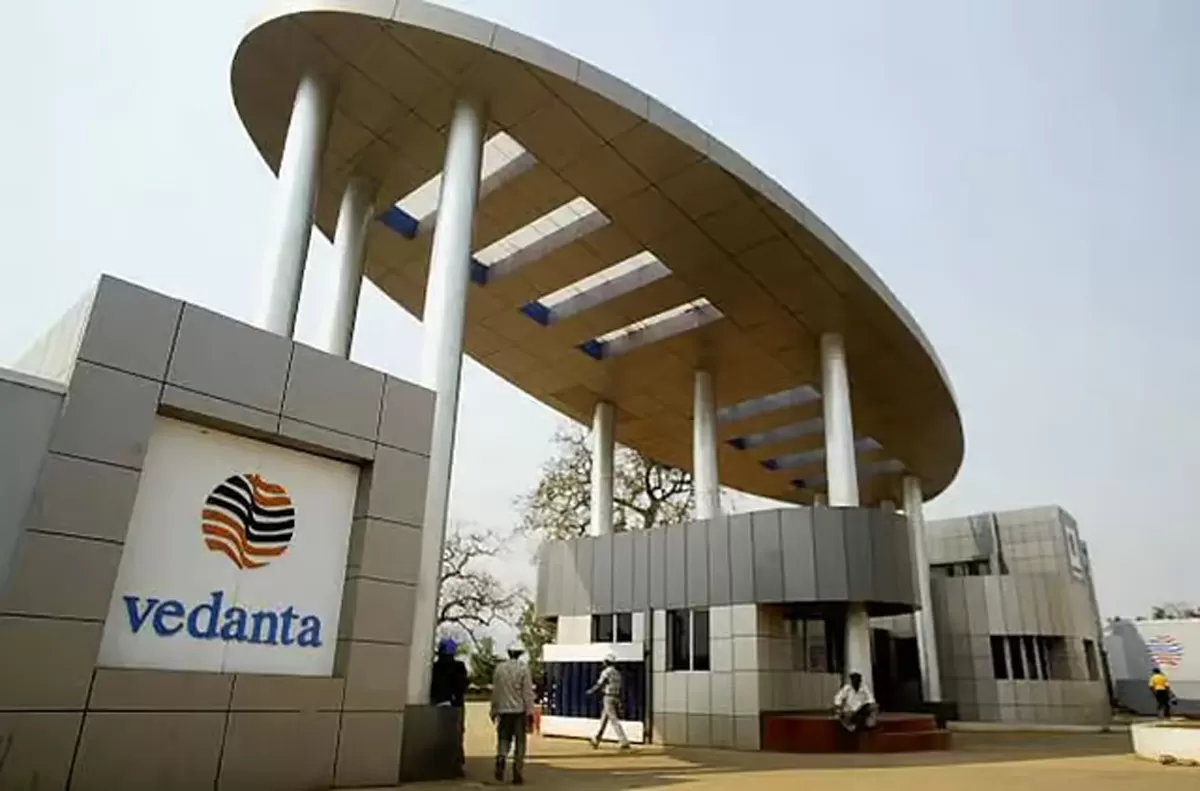
On World Environment Day, Indian mining and metals giant Vedanta Ltd announced plans to explore the use of biodiesel in its commercial vehicle fleet at the Jharsuguda township in Odisha.
Vedanta Aluminium, a subsidiary of the group, said it has committed to decarbonising 100 per cent of its light motor vehicle fleet by 2030. As part of this initiative, the company is evaluating biodiesel following successful pilot runs to assess its viability in its commercial vehicles.
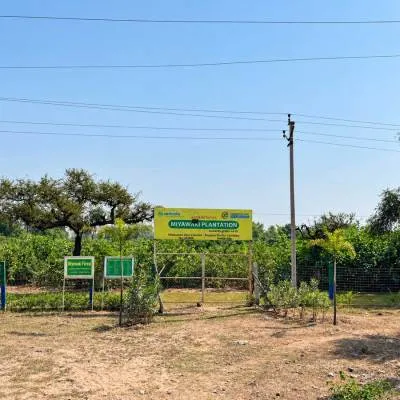
In addition, Vedanta has started using biomass briquettes made from agricultural residue for co-firing at its Lanjigarh alumina refinery in Odisha and BALCO smelter in Chhattisgarh. At the Lanjigarh unit, located in Kalahandi district, 20 tonnes of biomass are co-fired daily, reducing carbon dioxide equivalent emissions by over 10,000 tonnes annually.
The company has also introduced a 10-tonne electric forklift at its aluminium plant in Jharsuguda and currently operates a sizeable fleet of electric lithium-ion forklifts. This shift has significantly lowered diesel consumption and emissions across its operations.
“The move to electric mobility is further supported by a recent partnership with Let’s DriEV, launched in Vedanta’s Jharsuguda township to encourage the adoption of electric vehicles among employees and residents,” the company stated.
Sunil Gupta, Chief Operating Officer of Vedanta Aluminium, emphasised the company’s broader commitment: “From responsible sourcing of materials to energy-efficient manufacturing, Vedanta is dedicated to creating long-term value while safeguarding the planet’s needs.”
“Our goal is to lead the global aluminium industry by example, setting new standards for sustainable and responsible growth,” he added.

On World Environment Day, Indian mining and metals giant Vedanta Ltd announced plans to explore the use of biodiesel in its commercial vehicle fleet at the Jharsuguda township in Odisha.Vedanta Aluminium, a subsidiary of the group, said it has committed to decarbonising 100 per cent of its light motor vehicle fleet by 2030. As part of this initiative, the company is evaluating biodiesel following successful pilot runs to assess its viability in its commercial vehicles.In addition, Vedanta has started using biomass briquettes made from agricultural residue for co-firing at its Lanjigarh alumina refinery in Odisha and BALCO smelter in Chhattisgarh. At the Lanjigarh unit, located in Kalahandi district, 20 tonnes of biomass are co-fired daily, reducing carbon dioxide equivalent emissions by over 10,000 tonnes annually.The company has also introduced a 10-tonne electric forklift at its aluminium plant in Jharsuguda and currently operates a sizeable fleet of electric lithium-ion forklifts. This shift has significantly lowered diesel consumption and emissions across its operations.“The move to electric mobility is further supported by a recent partnership with Let’s DriEV, launched in Vedanta’s Jharsuguda township to encourage the adoption of electric vehicles among employees and residents,” the company stated.Sunil Gupta, Chief Operating Officer of Vedanta Aluminium, emphasised the company’s broader commitment: “From responsible sourcing of materials to energy-efficient manufacturing, Vedanta is dedicated to creating long-term value while safeguarding the planet’s needs.”“Our goal is to lead the global aluminium industry by example, setting new standards for sustainable and responsible growth,” he added.

Next Story
Infrastructure Urban

ISRO’s IMAT Success Boosts Readiness for Maiden Gaganyaan Mission

Union Minister of State for Science and Technology Dr Jitendra Singh informed Parliament that ISRO has achieved a key milestone in its preparations for India’s first human space mission with the successful completion of the Integrated Main Parachute Airdrop Test (IMAT). He said in the Lok Sabha that the test forms a central part of the qualification campaign for the Crew Module’s parachute-based deceleration system, one of the most vital elements in human-rating the mission.According to Dr. Jitendra Singh, the IMAT recreated one of the most demanding descent conditions by intentionally del..

Next Story
Infrastructure Urban

Gyanesh Kumar Takes Charge as Chair of International IDEA Council

Chief Election Commissioner of India Gyanesh Kumar has assumed the Chairship of the Council of Member States of the International Institute for Democracy and Electoral Assistance for 2026. The ceremony in Stockholm was also attended by India’s Ambassador to Sweden, Anurag Bhushan. India, a founding member of International IDEA, has long contributed to the organisation’s governance and global democratic dialogue, and the new Chairship signals broad recognition of the Election Commission of India as a trusted and innovative election management institution.During his visit, Kumar held discuss..

Next Story
Infrastructure Energy

Coal Mines Boost Local Growth and Support India’s Energy Self-reliance

The Magadh and Amrapali coal mines in Jharkhand are playing a pivotal role in strengthening India’s energy security, contributing nearly half of Central Coalfields Limited’s total coal production in 2024–25. Both mines support the broader goal of ensuring steady coal availability for the power sector under the vision of Aatmanirbhar Bharat. Magadh has estimated mineable reserves of 854.91 million tonnes, while Amrapali holds 456.34 million tonne. For FY 2025–26, the two are expected to generate net sales revenues of Rs 28.12 billion and Rs 23.67 billion respectively. Local development ..

Advertisement

Subscribe to Our Newsletter

Get daily newsletters around different themes from Construction world.

STAY CONNECTED

Advertisement

Advertisement

Advertisement

Advertisement

Get CW App