+
CM Arvind Kejriwal announces 2 major projects for Delhi
ROADS & HIGHWAYS

CM Arvind Kejriwal announces 2 major projects for Delhi

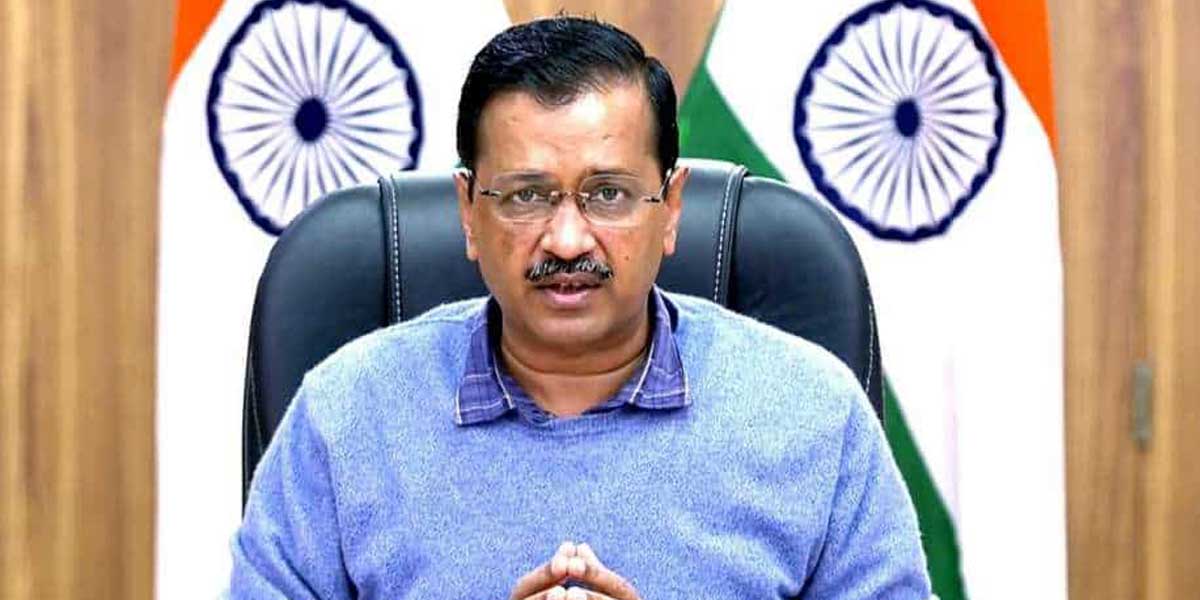
Arvind Kejriwal, Chief Minister, Delhi, announced the renovation of 1,400 km of roads and the availability of rental e-scooters, both of which will improve road infrastructure and address the issue of last-mile connectivity in the city.

Following a high-level meeting to review the road transformation project, Kejriwal announced a full "world-class transformation of Delhi's roads" on 1,400 km under the Public Works Department starting April 1. The announcement was made with the goal of redefining maintenance standards of urban roads throughout the city. The Chief Minister also disclosed a test programme using e-scooters in Dwarka, which residents can rent, and which, if successful, will be implemented throughout the city.

Under the project, damaged pavements, central verges, manholes, slabs, signage, electric poles, railings, lights, and FOBs will all be restored in addition to maintaining the project's damaged roads and potholes. According to Kejriwal, the organisation would be awarded a 10-year contract for maintenance and upkeep and be tasked with fixing any damage as soon as it occurs.

"In ten years, every road will have two new surfaces installed, and every three to six months, paint will be applied to pathways, zebra crossings, and road markings. Three days a week, mechanised sweeping, intensive scrubbing, and daily litter-picking will be used to wash the streets, footpaths, trees, and plants.

Kejriwal announced that 250 anti-smog-gun-cum-sprinklers will be hired to wash the roads under the 250 civic wards in the city as well as the planting of trees and plants along roadsides. Deep cleaning machines, 150 tanker-sprinklers, along with 100 mechanised road sweepers, will be hired for PWD roads.

Also read:
Projects delayed, costs go up for Delhi Metro
Delhi-Chandigarh in 2 hours via Delhi-Amritsar-Katra Expressway


Arvind Kejriwal, Chief Minister, Delhi, announced the renovation of 1,400 km of roads and the availability of rental e-scooters, both of which will improve road infrastructure and address the issue of last-mile connectivity in the city. Following a high-level meeting to review the road transformation project, Kejriwal announced a full world-class transformation of Delhi's roads on 1,400 km under the Public Works Department starting April 1. The announcement was made with the goal of redefining maintenance standards of urban roads throughout the city. The Chief Minister also disclosed a test programme using e-scooters in Dwarka, which residents can rent, and which, if successful, will be implemented throughout the city. Under the project, damaged pavements, central verges, manholes, slabs, signage, electric poles, railings, lights, and FOBs will all be restored in addition to maintaining the project's damaged roads and potholes. According to Kejriwal, the organisation would be awarded a 10-year contract for maintenance and upkeep and be tasked with fixing any damage as soon as it occurs. In ten years, every road will have two new surfaces installed, and every three to six months, paint will be applied to pathways, zebra crossings, and road markings. Three days a week, mechanised sweeping, intensive scrubbing, and daily litter-picking will be used to wash the streets, footpaths, trees, and plants. Kejriwal announced that 250 anti-smog-gun-cum-sprinklers will be hired to wash the roads under the 250 civic wards in the city as well as the planting of trees and plants along roadsides. Deep cleaning machines, 150 tanker-sprinklers, along with 100 mechanised road sweepers, will be hired for PWD roads. Also read: Projects delayed, costs go up for Delhi Metro Delhi-Chandigarh in 2 hours via Delhi-Amritsar-Katra Expressway

Related Stories

Gold Stories

Next Story
Infrastructure Transport

97 Per Cent Of Rongjeng-Mangsang-Adokgre Road Nears Completion

Deputy Chief Minister in-charge of public works Prestone Tynsong said in Shillong on 26 August that 97 per cent physical progress had been achieved on the ongoing Rongjeng-Mangsang-Adokgre road being constructed under the Non-Lapsable Central Pool of Resources (NLCPR). He noted the project was sanctioned in 2017 and that the stipulated time for completion had been 24 months from issue of the final work order. The deputy chief minister informed the assembly that the government had decided to include the remaining work under a World Bank project. In reply to a query from Rongjeng MLA Jim M Sangm..

Next Story
Infrastructure Transport

First TBM Starts Digging Five Point Three Kilometre Tunnel Under SGNP

The Goregaon-Mulund Link Road (GMLR) Phase three (B) project has reached a key milestone as the first tunnel boring machine (TBM) began excavation of the first of two tunnels beneath the Sanjay Gandhi National Park (SGNP). The machine, named Tulsi, started cutting a five point three kilometre bore that will link Dadasaheb Phalke Chitranagari in Goregaon East with Amar Nagar in Mulund West. Officials issued a statement noting the commencement of tunnelling work under the protected green belt. The twin tunnels are being constructed using mechanised tunnelling methods that aim to limit surface di..

Next Story
Infrastructure Transport

UP Approves Two Expressways And Rs 240 bn Infrastructure Push

The Uttar Pradesh Cabinet approved a series of infrastructure and industrial investment proposals totalling Rs 240 billion (Rs 240 bn), including two major expressway projects, a manufacturing and logistics cluster in Sultanpur and incentives for 11 industrial projects across the state. The decisions, taken at a meeting chaired by Chief Minister Yogi Adityanath, underline the state government’s focus on expanding road connectivity around emerging industrial hubs while attracting manufacturing investment to districts beyond major urban centres. The approvals cover both greenfield expressway c..

Advertisement

Subscribe to Our Newsletter

Get daily newsletters around different themes from Construction world.

STAY CONNECTED

Advertisement

SPECIAL OFFER
QR Code