Ghatkopar Rehab Work Begins Ahead Of Rs 26.6 Billion Freeway
ROADS & HIGHWAYS

Ghatkopar Rehab Work Begins Ahead Of Rs 26.6 Billion Freeway

The first phase of the Mata Ramabai Ambedkar Nagar and Kamraj Nagar rehabilitation project in Ghatkopar has officially commenced, marking a major milestone in one of Mumbai’s most awaited redevelopment initiatives. Construction of six rehabilitation buildings is currently underway, while authorities prepare to clear 1,694 slums in the second phase to facilitate the expansion of the Eastern Freeway between Ghatkopar and Thane.

The Mumbai Metropolitan Region Development Authority (MMRDA) has directed the Slum Rehabilitation Authority (SRA) to vacate the identified slum areas by December, enabling construction to begin early next year.

Senior officials from the SRA confirmed that the verification of eligible slum residents has been completed, and the MMRDA has already transferred funds covering two years of rent to support the relocation process, according to a report by Loksatta.

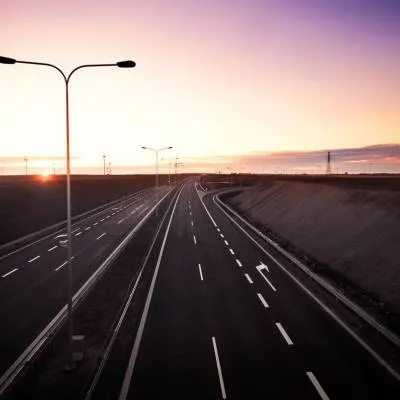
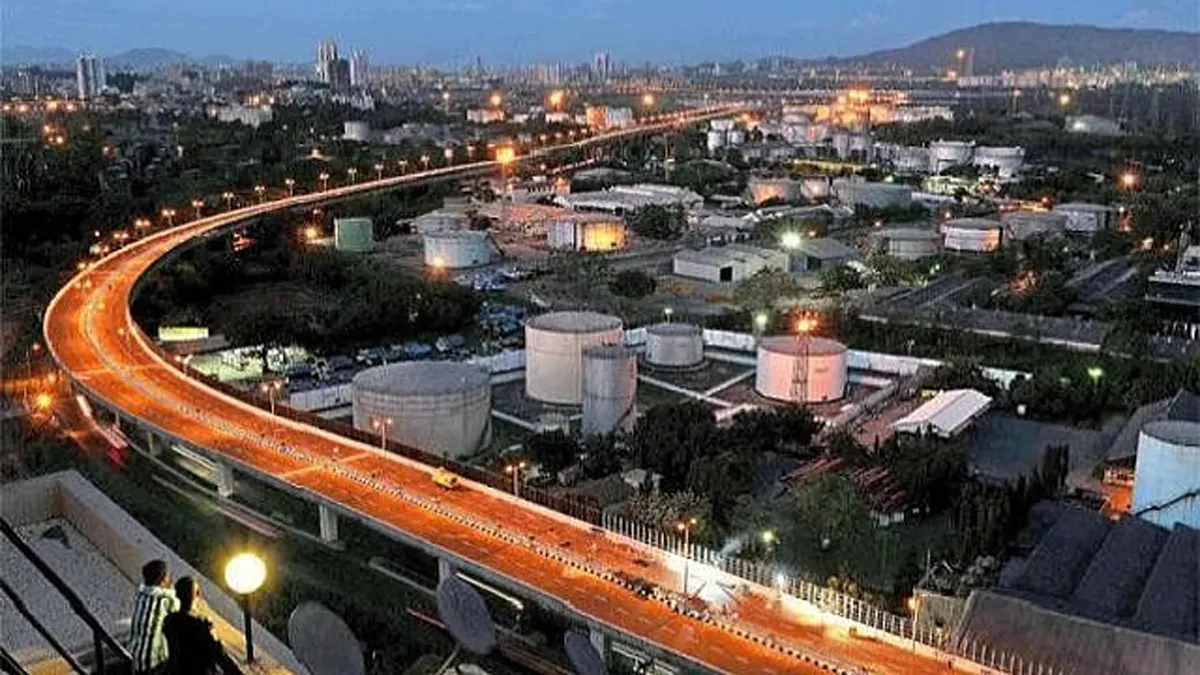
The MMRDA plans to develop a 12.96-kilometre-long, 40-metre-wide Eastern Freeway at an estimated cost of Rs 26.62 billion. The project, awarded to Navyug Engineering, aims to significantly cut travel time between Ghatkopar and Thane while easing chronic traffic congestion across Mumbai’s eastern suburbs.

Chief Minister Devendra Fadnavis, along with Deputy Chief Ministers Eknath Shinde and Ajit Pawar, recently laid the foundation stone for the freeway project. The rehabilitation of more than 4,000 slum households has already begun under the first phase.

Authorities expect the removal of 1,694 slums in the second phase to commence in December, after which the land will be handed over to the MMRDA. The main expansion work is projected to start in early 2026 and be completed within four years. Once finished, the Thane–Ghatkopar journey is expected to become smoother, faster, and more efficient, officials said.

The first phase of the Mata Ramabai Ambedkar Nagar and Kamraj Nagar rehabilitation project in Ghatkopar has officially commenced, marking a major milestone in one of Mumbai’s most awaited redevelopment initiatives. Construction of six rehabilitation buildings is currently underway, while authorities prepare to clear 1,694 slums in the second phase to facilitate the expansion of the Eastern Freeway between Ghatkopar and Thane. The Mumbai Metropolitan Region Development Authority (MMRDA) has directed the Slum Rehabilitation Authority (SRA) to vacate the identified slum areas by December, enabling construction to begin early next year. Senior officials from the SRA confirmed that the verification of eligible slum residents has been completed, and the MMRDA has already transferred funds covering two years of rent to support the relocation process, according to a report by Loksatta. The MMRDA plans to develop a 12.96-kilometre-long, 40-metre-wide Eastern Freeway at an estimated cost of Rs 26.62 billion. The project, awarded to Navyug Engineering, aims to significantly cut travel time between Ghatkopar and Thane while easing chronic traffic congestion across Mumbai’s eastern suburbs. Chief Minister Devendra Fadnavis, along with Deputy Chief Ministers Eknath Shinde and Ajit Pawar, recently laid the foundation stone for the freeway project. The rehabilitation of more than 4,000 slum households has already begun under the first phase. Authorities expect the removal of 1,694 slums in the second phase to commence in December, after which the land will be handed over to the MMRDA. The main expansion work is projected to start in early 2026 and be completed within four years. Once finished, the Thane–Ghatkopar journey is expected to become smoother, faster, and more efficient, officials said.

Next Story
Infrastructure Transport

MMRDA advances 250 m on Orange Gate–Marine Drive tunnel

The Mumbai Metropolitan Region Development Authority (MMRDA) has completed 250 m of underground tunnelling for the Orange Gate–Marine Drive Urban Road Tunnel using India’s largest slurry shield tunnel boring machine (TBM) deployed for an urban road project.The project involves twin tunnels extending over 7 km beneath critical transport corridors, including Central Railway, Western Railway and Metro Line 3. The work requires high-precision engineering to navigate densely developed urban infrastructure.Once completed, the tunnel is expected to reduce travel time between Orange Gate and Marin..

Next Story
Infrastructure Urban

Hindustan Zinc Pays Rs 188.46 Billion in FY26

Hindustan Zinc contributed Rs 188.46 billion to the public exchequer in FY 2025-26, according to its 9th Tax Transparency Report. The contribution, equivalent to 46 per cent of the company’s revenue, included direct and indirect taxes, government royalties, dividends to the Government of India, withholding taxes and other statutory levies.The company’s five-year cumulative contribution to the exchequer stood at Rs 915.72 billion. In FY26, Hindustan Zinc reported revenue of Rs 408.44 billion, EBITDA of Rs 221.62 billion and profit after tax of Rs 138.32 billion. It also achieved its highest..

Next Story
Infrastructure Urban

World of Concrete India 2026 Opens in Mumbai

Informa Markets in India will host the 12th edition of World of Concrete India 2026 from 3–5 June 2026 at the Bombay Exhibition Centre, Mumbai. The specialised B2B exhibition will bring together manufacturers, suppliers, contractors, developers, architects, consultants, infrastructure companies, project leaders and government stakeholders.The event is expected to feature over 350 brands and more than 18,000 trade professionals. It will cover concrete and cement, dry mortar, precast technologies, formwork, construction chemicals, industrial and commercial flooring, scaffolding, safety solutio..

Advertisement

Subscribe to Our Newsletter

Get daily newsletters around different themes from Construction world.

STAY CONNECTED

Advertisement

Advertisement

Advertisement

-->