NHAI plans elevated road to address risk concerns on Katraj Bypass
ROADS & HIGHWAYS

NHAI plans elevated road to address risk concerns on Katraj Bypass

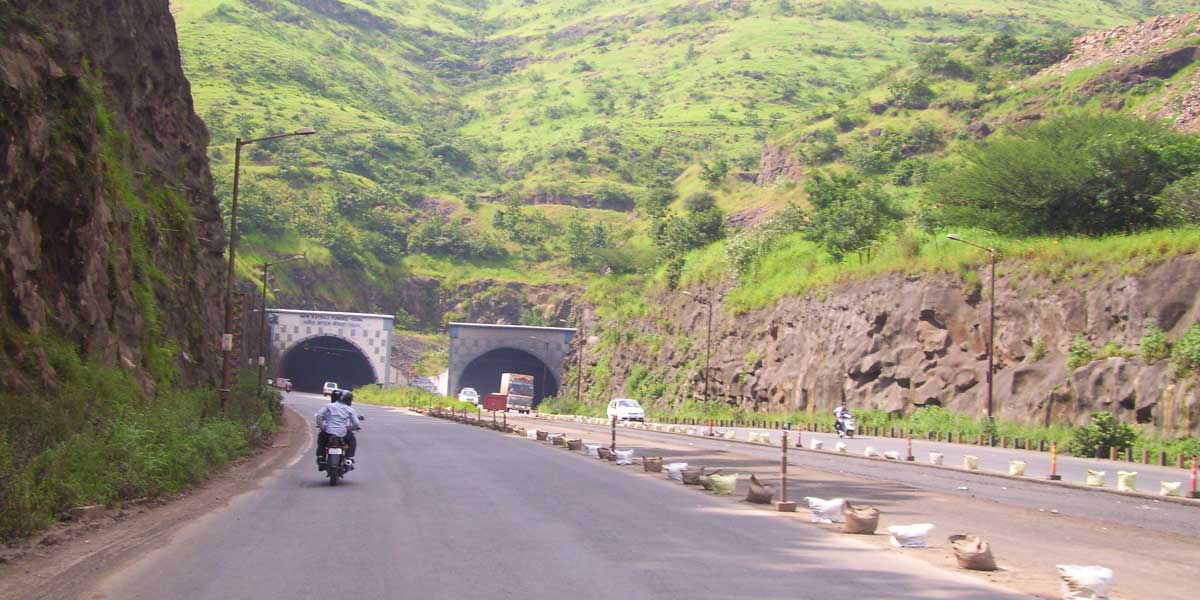
The National Highways Authority of India (NHAI) has announced plans to construct a 5.2 kilometer elevated road section from near Swaminarayan Temple to Warje, aiming to rectify the dangerous slope issues along the Katraj-Dehu Road bypass. The bypass, in existence for nearly three decades, has gained notoriety as a "killer road" due to recurring accidents, particularly on the Katraj-Navale Bridge tunnel stretch. The NHAI's decision addresses concerns raised by urban planning and road infrastructure experts, who advocate for a new bypass with improved service roads or an elevated bridge as viable solutions.

Bharat Todkari, the consulting engineer of NHAI?s Pune division, revealed that a comprehensive report for the Rs 42 billion projects has been prepared. The project encompasses various aspects, including the construction of the elevated road extending to the Warje flyover. This initiative aims to resolve the slope-related challenges faced by motorists. The detailed project report (DPR) is currently undergoing scrutiny and modifications. Upon approval from relevant departments and the ministry, funds will be allocated for the project. Subsequently, tenders will be issued, and work orders will be awarded. The construction is anticipated to take a minimum of three years to complete once initiated.

Once the elevated road is operational, heavy vehicles will be directed to use it, eliminating concerns about slopes. The existing road will be repurposed for other vehicles, such as cars and two-wheelers, while local residents will continue to utilize it. Efforts have also been made to enhance safety measures on the existing road, particularly from the Katraj tunnel exit to the Bengaluru-bound side till the Navale Bridge, where accidents have been prevalent.

The National Highways Authority of India (NHAI) has announced plans to construct a 5.2 kilometer elevated road section from near Swaminarayan Temple to Warje, aiming to rectify the dangerous slope issues along the Katraj-Dehu Road bypass. The bypass, in existence for nearly three decades, has gained notoriety as a killer road due to recurring accidents, particularly on the Katraj-Navale Bridge tunnel stretch. The NHAI's decision addresses concerns raised by urban planning and road infrastructure experts, who advocate for a new bypass with improved service roads or an elevated bridge as viable solutions. Bharat Todkari, the consulting engineer of NHAI?s Pune division, revealed that a comprehensive report for the Rs 42 billion projects has been prepared. The project encompasses various aspects, including the construction of the elevated road extending to the Warje flyover. This initiative aims to resolve the slope-related challenges faced by motorists. The detailed project report (DPR) is currently undergoing scrutiny and modifications. Upon approval from relevant departments and the ministry, funds will be allocated for the project. Subsequently, tenders will be issued, and work orders will be awarded. The construction is anticipated to take a minimum of three years to complete once initiated. Once the elevated road is operational, heavy vehicles will be directed to use it, eliminating concerns about slopes. The existing road will be repurposed for other vehicles, such as cars and two-wheelers, while local residents will continue to utilize it. Efforts have also been made to enhance safety measures on the existing road, particularly from the Katraj tunnel exit to the Bengaluru-bound side till the Navale Bridge, where accidents have been prevalent.

Next Story
Infrastructure Transport

India Becomes First to Produce Bio-Bitumen for Roads

India has become the first country in the world to commercially produce bio-bitumen for use in road construction, according to Road, Transport and Highways Minister Nitin Gadkari. Bitumen, a black and viscous hydrocarbon derived from crude oil, is a key binding material in road building, and the bio-based alternative is expected to significantly improve the sector’s environmental footprint.Addressing the CSIR Technology Transfer Ceremony in New Delhi, Mr Gadkari congratulated Council of Scientific and Industrial Research on achieving the milestone, noting that the initiative would help curb ..

Next Story
Infrastructure Urban

HILT Policy Seen Boosting Telangana Revenue Sharply

The Hyderabad Industrial Land Transformation (HILT) Policy is expected to generate around Rs 1.08 billion in revenue for the Telangana state exchequer, according to Deputy Chief Minister Bhatti Vikramarka Mallu. Speaking in the Telangana Legislative Assembly, he said the policy would be implemented within a six-month timeframe in a transparent manner, with uniform rules applicable to all stakeholders. Mr Vikramarka noted that without the HILT Policy, the state would have earned only about Rs 1.2 million per acre. Under the new framework, however, revenue is projected to rise sharply to Rs 70 ..

Next Story
Infrastructure Urban

India Post, MoRD Tie Up to Boost Rural Inclusion

The Department of Posts and the Ministry of Rural Development have signed a Memorandum of Understanding to accelerate rural transformation and expand financial, digital and logistics services for Self-Help Groups (SHGs) and rural households across India. The agreement was signed in the presence of Union Minister of Communications and Development of North Eastern Region Jyotiraditya M. Scindia and Union Minister of Rural Development and Agriculture and Farmers’ Welfare Shivraj Singh Chouhan. The collaboration aligns with the government’s “Dak Sewa, Jan Sewa” vision and seeks to repositi..

Advertisement

Subscribe to Our Newsletter

Get daily newsletters around different themes from Construction world.

STAY CONNECTED

Advertisement

Advertisement

Advertisement

Advertisement

Open In App