



+
PMC surveys 15 key roads for RAMS
ROADS & HIGHWAYS

PMC surveys 15 key roads for RAMS

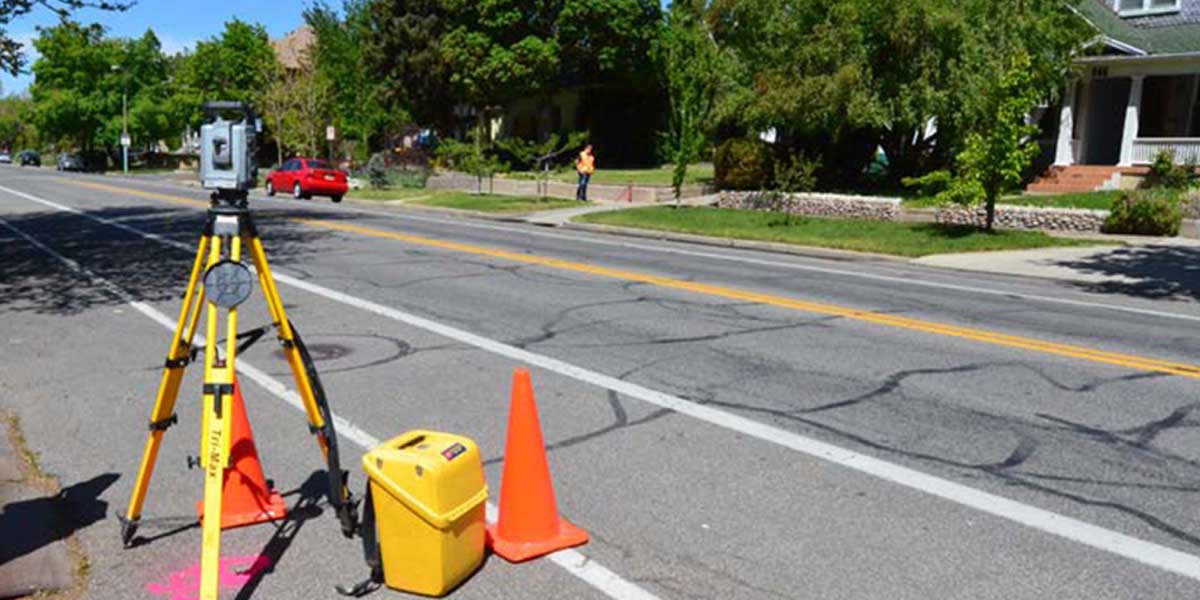
The Pune Municipal Corporation (PMC) has initiated a comprehensive survey of 15 major roads as part of the Road Asset Management System (RAMS), focusing on prioritizing road repairs and maintenance. This step aims to optimise the allocation and utilisation of the limited funds available to the road department. The surveyed roads include well-known ones like Ahmednagar Road, Solapur Road, Magarpatta Road, Pashan Road, Baner Road, Sangamwadi Road, New Airport Road, Karve Road, Paud Road, Satara Road, Sinhagad Road, Bibwewadi Road, North Main Road, Ganesh Khind Road, and Bajirao Road. RAMS utilises engineering parameters like the International Roughness Index (IRI) and Pavement Condition Index (PCI) to provide detailed road information, including pothole size, depth, and exact location. It also suggests suitable timings and alternatives for road treatments. This technical approach ensures efficient management of road maintenance resources, allowing for maximum benefits. Civic officials believe that RAMS aids in planning budgetary needs by providing a rational analysis of the current road conditions. V G Kulkarni, chief superintendent engineer of the PMC road department, stated, "Following the assessment of these 15 roads, RAMS will extend its survey to other roads throughout the city. The survey will involve various technical tests under RAMS, focusing on the ride quality and carrying capacity, as per the ratings set by the Indian Road Congress (IRC). This information will determine the order of priority for road repairs, maintenance, and the thickness of the repair layers." Kulkarni further explained, "Although Pune Smart City conducted the initial RAMS survey in 2016, it hasn't been updated since. PMC is now updating road information under RAMS to ensure accurate data for future maintenance and repair planning. Specifically, roads wider than 10 meters will be surveyed. Contractors will conduct these surveys every six months over a three-year period, ensuring that the information remains current and relevant."

The Pune Municipal Corporation (PMC) has initiated a comprehensive survey of 15 major roads as part of the Road Asset Management System (RAMS), focusing on prioritizing road repairs and maintenance. This step aims to optimise the allocation and utilisation of the limited funds available to the road department. The surveyed roads include well-known ones like Ahmednagar Road, Solapur Road, Magarpatta Road, Pashan Road, Baner Road, Sangamwadi Road, New Airport Road, Karve Road, Paud Road, Satara Road, Sinhagad Road, Bibwewadi Road, North Main Road, Ganesh Khind Road, and Bajirao Road. RAMS utilises engineering parameters like the International Roughness Index (IRI) and Pavement Condition Index (PCI) to provide detailed road information, including pothole size, depth, and exact location. It also suggests suitable timings and alternatives for road treatments. This technical approach ensures efficient management of road maintenance resources, allowing for maximum benefits. Civic officials believe that RAMS aids in planning budgetary needs by providing a rational analysis of the current road conditions. V G Kulkarni, chief superintendent engineer of the PMC road department, stated, Following the assessment of these 15 roads, RAMS will extend its survey to other roads throughout the city. The survey will involve various technical tests under RAMS, focusing on the ride quality and carrying capacity, as per the ratings set by the Indian Road Congress (IRC). This information will determine the order of priority for road repairs, maintenance, and the thickness of the repair layers. Kulkarni further explained, Although Pune Smart City conducted the initial RAMS survey in 2016, it hasn't been updated since. PMC is now updating road information under RAMS to ensure accurate data for future maintenance and repair planning. Specifically, roads wider than 10 meters will be surveyed. Contractors will conduct these surveys every six months over a three-year period, ensuring that the information remains current and relevant.

Next Story
Infrastructure Urban

Implementation Status of Jal Jeevan Mission

Since August 2019 the Government has implemented Jal Jeevan Mission to provide assured potable water through household tap connections in rural India. At the start of the mission only 32.3 million (mn) rural households, representing 16.7 per cent, were reported to have tap water connections. States and union territories have reported that 125.8 mn additional rural households have since been provided with tap connections. As a result, of about 193.6 mn rural households roughly 158.2 mn, or 81.71 per cent, are reported to have tap water supply at home.\n\nThe State, district and village level st..

Next Story
Infrastructure Urban

Jal Jeevan Mission Reaches Eighty One Per Cent Rural Coverage

The Government reported substantial progress under the Jal Jeevan Mission, launched in August 2019 to provide tap water to every rural household. At launch only 32.3 million (mn) rural households had tap connections and states and Union territories reported provision of 125.8 mn additional households by March 2026. Consequently, out of about 193.6 mn rural households around 158.2 mn, or 81.71 per cent, are reported to have tap water at home. The Finance Minister announced extension of the mission until 2028 in the 2025-26 budget speech. The Swachh Bharat Mission Grameen, launched in October 20..

Next Story
Infrastructure Urban

Empowering Local Governance for Sustainable Rural Water Supply

The Ministry of Jal Shakti has aligned the Jal Jeevan Mission (JJM) with the 73rd Amendment to strengthen village level planning and community ownership of water supply. Gram Panchayats, village water and sanitation committees and Pani Samitis are to plan, implement, manage and maintain piped water systems, with gram sabha processes formalising handover and oversight. Implementation support agencies including non government organisations, community based organisations and self help groups have been empanelled to train local committees and promote women participation. Under JJM, the department ..

Advertisement

Subscribe to Our Newsletter

Get daily newsletters around different themes from Construction world.

STAY CONNECTED

Advertisement

Advertisement

Advertisement