PWD to Upgrade 170 Junctions in Delhi to Boost Road Safety
ROADS & HIGHWAYS

PWD to Upgrade 170 Junctions in Delhi to Boost Road Safety

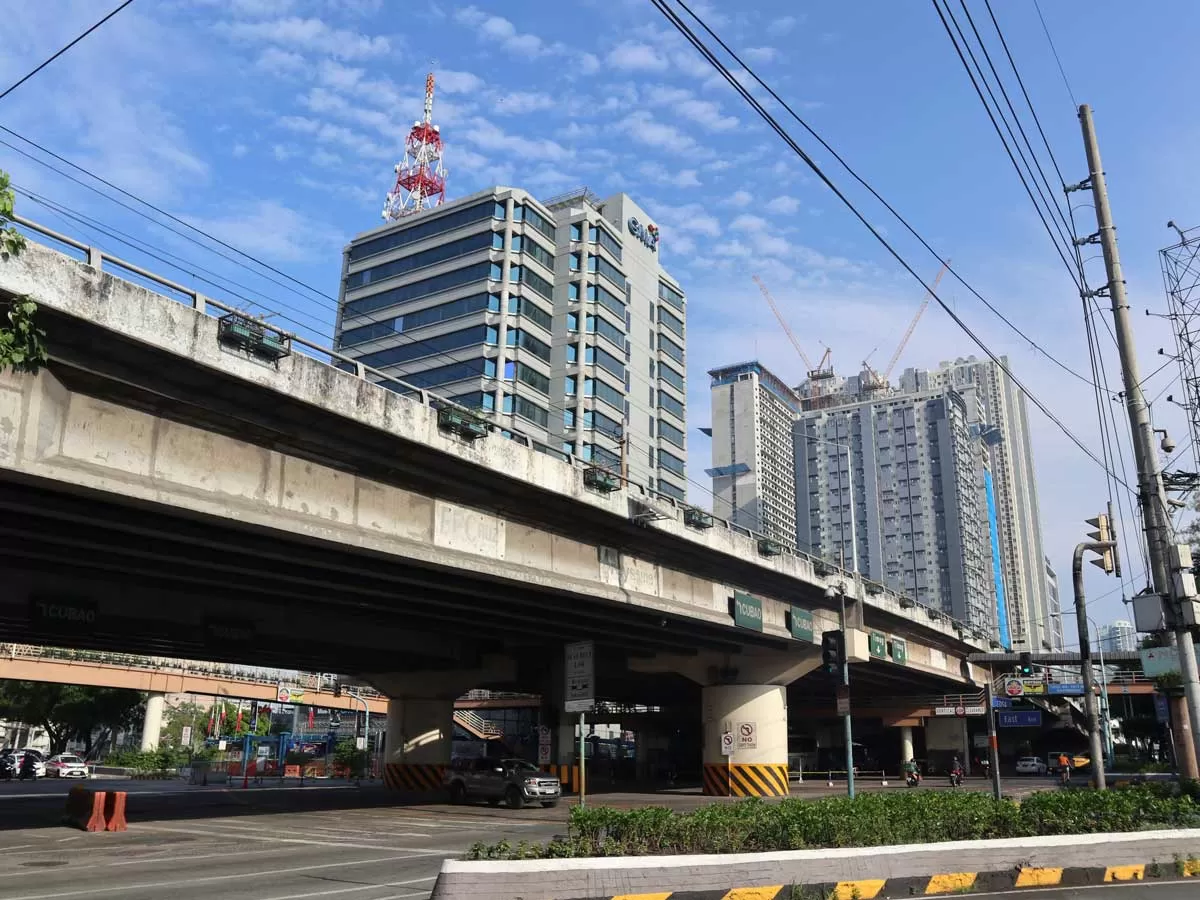
The Public Works Department (PWD) of Delhi has unveiled an ambitious plan to overhaul 170 major road junctions across the city in a bid to improve road safety. This extensive revamp aims to address the rising number of traffic accidents and congestion problems prevalent in these areas.

The initiative involves a comprehensive redesign of traffic signals, road markings, and signage at critical intersections. Additionally, the PWD will implement new traffic management strategies and modernise pedestrian crossings to enhance safety for all road users.

The revamp project will also focus on upgrading infrastructure to facilitate smoother traffic flow. This includes widening roads, improving drainage systems, and installing advanced traffic control equipment. The goal is to reduce the incidence of accidents and ease traffic congestion, particularly during peak hours.

PWD officials emphasise that this upgrade is a part of their broader effort to make Delhi's roads safer and more efficient. The department will collaborate with traffic management experts and conduct detailed surveys to ensure that the changes effectively address the existing issues.

The project is expected to be rolled out in phases, with work beginning at the most problematic junctions. Authorities have assured that they will work to minimise disruptions during the construction period and provide regular updates on progress. This proactive approach reflects Delhi?s commitment to enhancing urban mobility and ensuring safer roads for its residents.

The Public Works Department (PWD) of Delhi has unveiled an ambitious plan to overhaul 170 major road junctions across the city in a bid to improve road safety. This extensive revamp aims to address the rising number of traffic accidents and congestion problems prevalent in these areas. The initiative involves a comprehensive redesign of traffic signals, road markings, and signage at critical intersections. Additionally, the PWD will implement new traffic management strategies and modernise pedestrian crossings to enhance safety for all road users. The revamp project will also focus on upgrading infrastructure to facilitate smoother traffic flow. This includes widening roads, improving drainage systems, and installing advanced traffic control equipment. The goal is to reduce the incidence of accidents and ease traffic congestion, particularly during peak hours. PWD officials emphasise that this upgrade is a part of their broader effort to make Delhi's roads safer and more efficient. The department will collaborate with traffic management experts and conduct detailed surveys to ensure that the changes effectively address the existing issues. The project is expected to be rolled out in phases, with work beginning at the most problematic junctions. Authorities have assured that they will work to minimise disruptions during the construction period and provide regular updates on progress. This proactive approach reflects Delhi?s commitment to enhancing urban mobility and ensuring safer roads for its residents.

Next Story
Infrastructure Transport

India Becomes First to Produce Bio-Bitumen for Roads

India has become the first country in the world to commercially produce bio-bitumen for use in road construction, according to Road, Transport and Highways Minister Nitin Gadkari. Bitumen, a black and viscous hydrocarbon derived from crude oil, is a key binding material in road building, and the bio-based alternative is expected to significantly improve the sector’s environmental footprint.Addressing the CSIR Technology Transfer Ceremony in New Delhi, Mr Gadkari congratulated Council of Scientific and Industrial Research on achieving the milestone, noting that the initiative would help curb ..

Next Story
Infrastructure Urban

HILT Policy Seen Boosting Telangana Revenue Sharply

The Hyderabad Industrial Land Transformation (HILT) Policy is expected to generate around Rs 1.08 billion in revenue for the Telangana state exchequer, according to Deputy Chief Minister Bhatti Vikramarka Mallu. Speaking in the Telangana Legislative Assembly, he said the policy would be implemented within a six-month timeframe in a transparent manner, with uniform rules applicable to all stakeholders. Mr Vikramarka noted that without the HILT Policy, the state would have earned only about Rs 1.2 million per acre. Under the new framework, however, revenue is projected to rise sharply to Rs 70 ..

Next Story
Infrastructure Urban

India Post, MoRD Tie Up to Boost Rural Inclusion

The Department of Posts and the Ministry of Rural Development have signed a Memorandum of Understanding to accelerate rural transformation and expand financial, digital and logistics services for Self-Help Groups (SHGs) and rural households across India. The agreement was signed in the presence of Union Minister of Communications and Development of North Eastern Region Jyotiraditya M. Scindia and Union Minister of Rural Development and Agriculture and Farmers’ Welfare Shivraj Singh Chouhan. The collaboration aligns with the government’s “Dak Sewa, Jan Sewa” vision and seeks to repositi..

Advertisement

Subscribe to Our Newsletter

Get daily newsletters around different themes from Construction world.

STAY CONNECTED

Advertisement

Advertisement

Advertisement

Advertisement

Open In App