Disbursals of financing to contractors needs to be done in a timely manner
RAILWAYS & METRO RAIL

Disbursals of financing to contractors needs to be done in a timely manner

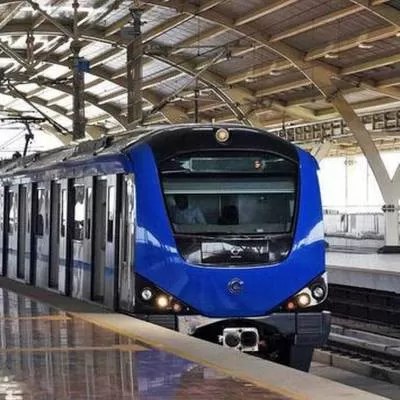
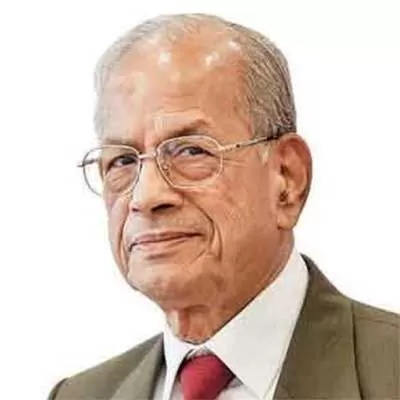
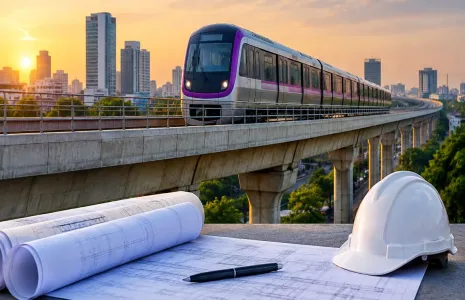
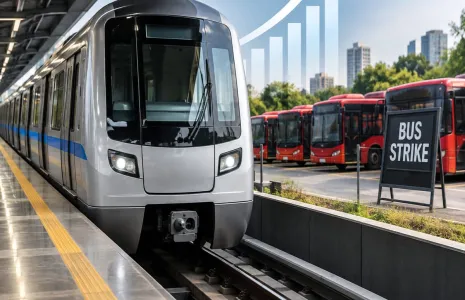
Metro-rail lines are one of the best mass-transit options for the public in congested city areas. Rahul Shah, COO-Urban Infrastructure, Tata Projects, shares his views and elaborates on the big construction opportunities coming up in this segment. 

How do you view the current growth and construction opportunity in this segment?
There are 67 metro-rail projects across 27 cities in India. Of these, nearly 54 projects are at various stages of development and many more are being planned. Hence, huge potential exist for setting up metro-rail lines across Indian cities.

How do you view the availability of funds for project execution?
These projects are economically viable and, therefore, will not face funding constraints. In addition, many domestic and international financial institutions are keen to fund metro-rail projects. 

How do you view the construction opportunities in the sector for the next five years?
We are currently undertaking projects in Mumbai, Pune and Ahmedabad. We have also recently executed metro-rail projects within stipulated timelines in Lucknow and Ghaziabad.
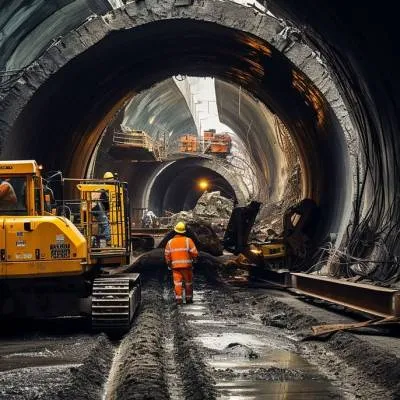
We feel there is a huge potential to setup metro-rail lines across Indian cities. About 650 km are currently operational, andanother 600 km of sanctioned metro-rail lines are under construction and are expected to be operational in the next five years. In addition, proposals for about 1,000 km are under planning. This gives us immense confidence in the long-term potential of the sector and shall contribute significantly to our company’s overall growth. 

Any recommendations to give a further fillip to the sector?
By 2030, it is estimated that India will have 71 metropolitan cities, of which seven would have a population of over 10 million. This will make our cities denser and congested, thereby necessitating a reliable and top-notch, intra-city commuting option. Here, metro-rail networks will emerge as the best mass public transportation model that can be adopted nationwide. However, we feel the decision-making process and awarding of contracts needs to be faster. The issue of securing local-level permissions needs to be simplified and quicker. Right of way is an issue that needs to be addressed so that timely project completion is achieved. Disbursals of financing to contractors need to be done in a timely manner.This will not only support the government’s developmental agenda but also spur domestic industry.

Considering the metro-rail and other construction segments, which sectors will the company’s business focus on?
As an end-to-end player in the infrastructure sector, we expect enhanced opportunities across the entire business, thereby spurring the company onto higher growth levels in future.We feel the Government will continue to focus on infrastructure projects and expedite their implementation.We foresee huge potential in metrorail, roads, water supply and wastewater management, power and transmission, housing, smart cities, industrial facilities and allied amenities such as construction of hospitals, hotels, educational institutions and tourism facilities. 

Rating on current growth and opportunities: 10/10

Metro-rail lines are one of the best mass-transit options for the public in congested city areas. Rahul Shah, COO-Urban Infrastructure, Tata Projects, shares his views and elaborates on the big construction opportunities coming up in this segment. How do you view the current growth and construction opportunity in this segment?There are 67 metro-rail projects across 27 cities in India. Of these, nearly 54 projects are at various stages of development and many more are being planned. Hence, huge potential exist for setting up metro-rail lines across Indian cities.How do you view the availability of funds for project execution?These projects are economically viable and, therefore, will not face funding constraints. In addition, many domestic and international financial institutions are keen to fund metro-rail projects. How do you view the construction opportunities in the sector for the next five years?We are currently undertaking projects in Mumbai, Pune and Ahmedabad. We have also recently executed metro-rail projects within stipulated timelines in Lucknow and Ghaziabad.We feel there is a huge potential to setup metro-rail lines across Indian cities. About 650 km are currently operational, andanother 600 km of sanctioned metro-rail lines are under construction and are expected to be operational in the next five years. In addition, proposals for about 1,000 km are under planning. This gives us immense confidence in the long-term potential of the sector and shall contribute significantly to our company’s overall growth. Any recommendations to give a further fillip to the sector?By 2030, it is estimated that India will have 71 metropolitan cities, of which seven would have a population of over 10 million. This will make our cities denser and congested, thereby necessitating a reliable and top-notch, intra-city commuting option. Here, metro-rail networks will emerge as the best mass public transportation model that can be adopted nationwide. However, we feel the decision-making process and awarding of contracts needs to be faster. The issue of securing local-level permissions needs to be simplified and quicker. Right of way is an issue that needs to be addressed so that timely project completion is achieved. Disbursals of financing to contractors need to be done in a timely manner.This will not only support the government’s developmental agenda but also spur domestic industry.Considering the metro-rail and other construction segments, which sectors will the company’s business focus on?As an end-to-end player in the infrastructure sector, we expect enhanced opportunities across the entire business, thereby spurring the company onto higher growth levels in future.We feel the Government will continue to focus on infrastructure projects and expedite their implementation.We foresee huge potential in metrorail, roads, water supply and wastewater management, power and transmission, housing, smart cities, industrial facilities and allied amenities such as construction of hospitals, hotels, educational institutions and tourism facilities. Rating on current growth and opportunities: 10/10

Next Story
Real Estate

RBI Rate Cut Boosts Confidence Across Housing Market

Industry Context and Market DynamicsThe real estate industry has welcomed the RBI’s rate cut as a timely boost to affordability and demand. With home prices having risen steadily across major markets, even a marginal reduction in interest rates meaningfully strengthens purchasing power, especially for first-time and mid-income buyers.Ashish Jerath, President – Sales & Marketing, Smartworld Developers, observes:“The RBI’s 25-basis-point cut, bringing the repo rate down to 5.25%, is a timely boost for the real estate sector. Lower interest rates reduce borrowing costs, enabling homeb..

Next Story
Infrastructure Transport

BMC Resumes Rs 170 Billion Road Works, Targets 80 per cent By Jan 2026

Following the withdrawal of the southwest monsoon in October, the Brihanmumbai Municipal Corporation (BMC) has restarted work on 645 roads—covering 297.49 kilometres—under its large-scale concretisation programme. Data shows that more than 60 per cent of the resumed works are located in the western suburbs. Officials said the civic body aims to complete concretisation on 80 per cent of the roads where fresh work has begun by January 2026. Launched in 2022, the Rs 170 billion project seeks to concretise 700 kilometres of roads across Mumbai. All civil works were halted during the monsoon ..

Next Story
Infrastructure Urban

India Pushes Digital Shift In Urban Land Mapping

The Department of Land Resources (DoLR) under the Ministry of Rural Development has convened a National Symposium on NAKSHA – the National Geospatial Knowledge-based Land Survey of Urban Habitations – to advance India’s transition to modern, technology-driven land mapping. Speaking at the inaugural session, Secretary Manoj Joshi underscored the urgent need to move revenue departments away from outdated, tape-based methods and rough hand-drawn sketches. He stressed that adopting latitude–longitude-based digital mapping and GIS-linked registration systems is essential for economic stabi..

Advertisement

Subscribe to Our Newsletter

Get daily newsletters around different themes from Construction world.

STAY CONNECTED

Advertisement

Advertisement

Advertisement

Advertisement

Open In App