Bengaluru Metro Proposes Platform Screen Doors Across Network
RAILWAYS & METRO RAIL

Bengaluru Metro Proposes Platform Screen Doors Across Network

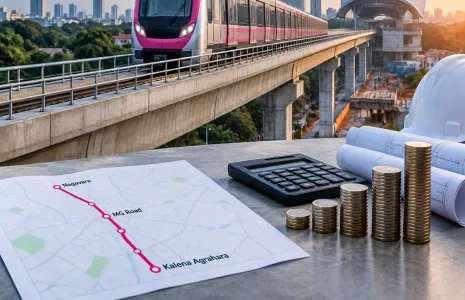
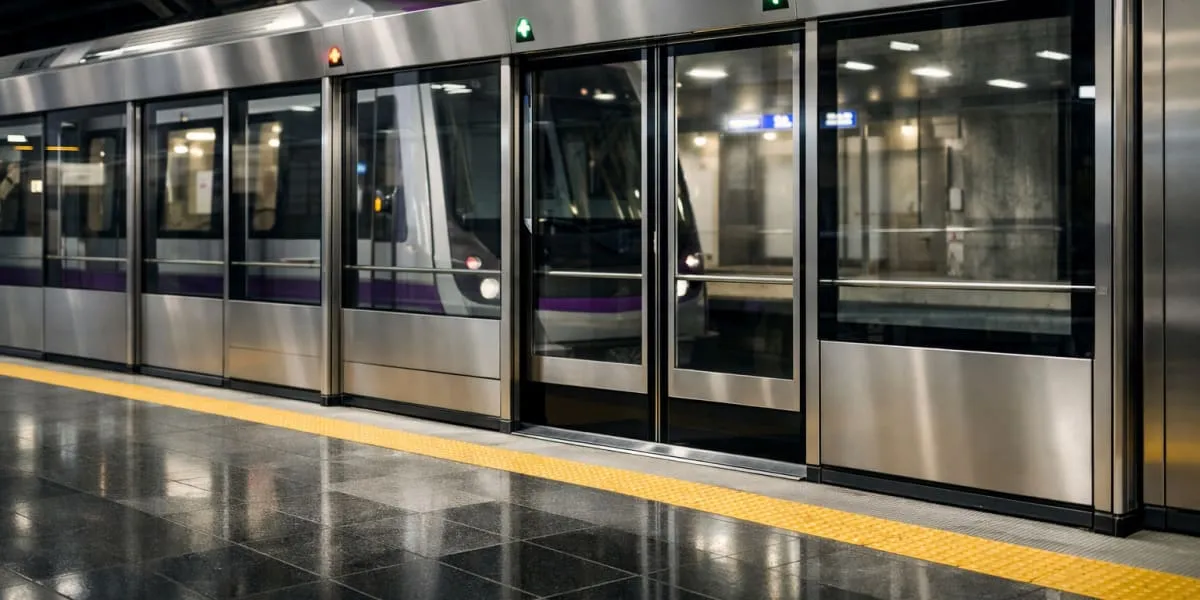
Bangalore Metro Rail Corporation Limited has proposed installing platform screen doors at 177 stations across its existing and upcoming network as part of a safety retrofit estimated at Rs 12.74 billion (Rs 12.74 bn). The proposal is included in the Detailed Project Report for Phase-3A, which covers 191 stations and notes that provisions have already been made at 14 stations, including 12 underground stations on the Pink Line and two Airport Line stations.

The plan is presented as a response to rising track incidents and growing ridership, now around one million (1 mn) passengers a day. The DPR records that in 2024 there were eight cases of unauthorised track access, seven suicide deaths, two suicide attempts and two accidental falls, and that in 2025 up to the time of reporting there were five cases of unauthorised access, five suicide deaths, two suicide attempts, two accidental falls and one electrocution.

The DPR sets out safety and operational benefits, noting that platform screen doors will prevent accidental falls, deter suicides and unauthorised access, and protect passengers from trains passing at high speed. It adds that the doors will improve passenger comfort by reducing wind and noise and will enhance air conditioning efficiency at underground stations, while enabling better dwell-time management through integration with signalling and automatic train supervision systems.

BMRCL estimates the retrofit cost at Rs 7.47 bn for procurement, Rs 3.17 bn for civil works and Rs 2.10 bn for signalling, telecom and electrical modifications. The corporation reports that retrofitting operational stations is significantly more complex than installing the system during construction because of limited night-time work windows, required platform modifications, system integration challenges and the need for extensive testing.

The DPR is said to align with Ministry of Housing and Urban Affairs indigenous procurement guidelines and BMRCL has held techno-commercial discussions with a public sector electronics firm. The corporation expects the retrofit to improve passenger safety, reduce track intrusions and suicides, enhance operational reliability and support the transition to fully automated train operations.

Bangalore Metro Rail Corporation Limited has proposed installing platform screen doors at 177 stations across its existing and upcoming network as part of a safety retrofit estimated at Rs 12.74 billion (Rs 12.74 bn). The proposal is included in the Detailed Project Report for Phase-3A, which covers 191 stations and notes that provisions have already been made at 14 stations, including 12 underground stations on the Pink Line and two Airport Line stations. The plan is presented as a response to rising track incidents and growing ridership, now around one million (1 mn) passengers a day. The DPR records that in 2024 there were eight cases of unauthorised track access, seven suicide deaths, two suicide attempts and two accidental falls, and that in 2025 up to the time of reporting there were five cases of unauthorised access, five suicide deaths, two suicide attempts, two accidental falls and one electrocution. The DPR sets out safety and operational benefits, noting that platform screen doors will prevent accidental falls, deter suicides and unauthorised access, and protect passengers from trains passing at high speed. It adds that the doors will improve passenger comfort by reducing wind and noise and will enhance air conditioning efficiency at underground stations, while enabling better dwell-time management through integration with signalling and automatic train supervision systems. BMRCL estimates the retrofit cost at Rs 7.47 bn for procurement, Rs 3.17 bn for civil works and Rs 2.10 bn for signalling, telecom and electrical modifications. The corporation reports that retrofitting operational stations is significantly more complex than installing the system during construction because of limited night-time work windows, required platform modifications, system integration challenges and the need for extensive testing. The DPR is said to align with Ministry of Housing and Urban Affairs indigenous procurement guidelines and BMRCL has held techno-commercial discussions with a public sector electronics firm. The corporation expects the retrofit to improve passenger safety, reduce track intrusions and suicides, enhance operational reliability and support the transition to fully automated train operations.

Related Stories

Gold Stories

Next Story
Infrastructure Urban

Vedanta Metal Bazaar Expands to Global Markets

Vedanta Aluminium has expanded its digital e-commerce platform, Vedanta Metal Bazaar, to international markets, enabling overseas customers to order and purchase aluminium products online.The platform will now be available to buyers across Asia, Europe, Africa and the Americas, providing a digital gateway for export transactions with 24x7 access.In FY26, Vedanta Metal Bazaar processed transactions worth nearly $4.1 billion, or over Rs 380 billion, and fulfilled more than 23,000 orders. The platform is also used regularly by more than 550 MSMEs in India alongside large OEM customers.The export ..

Next Story
Infrastructure Urban

Ramky Infrastructure Q1 FY27 Revenue Rises 24.3%

Ramky Infrastructure Limited reported a 24.3% year-on-year increase in consolidated revenue from operations to Rs 471.2 crore for Q1 FY27, compared with Rs 3.79 billion in the corresponding quarter of FY26.Standalone revenue from operations rose 27.5% YoY to Rs 4.51 billion from Rs 3.54 billion, while total standalone income increased 35% to Rs 5.32 billion.Consolidated profit before tax stood at Rs 540.9 million during the quarter. The company highlighted a sharp sequential improvement compared with a pre-exceptional loss of Rs 190.1 million in Q4 FY26.Two of the three projects awarded during..

Next Story
Technology

LTTS Launches AgenticIQ AI Platform for Engineering

L&T Technology Services (LTTS) has launched AgenticIQ, an end-to-end agentic AI platform designed for engineering and manufacturing organisations.The platform is aimed at helping enterprises move beyond isolated AI pilots by enabling autonomous, multi-agent workflows across engineering, product development, manufacturing, industrial operations and customer experience.AgenticIQ is built on LTTS’ Engineering Intelligence portfolio and converts existing engineering capabilities into specialised, reusable AI agents. Its planning-first architecture is embedded into engineering and production ..

Advertisement

Subscribe to Our Newsletter

Get daily newsletters around different themes from Construction world.

STAY CONNECTED

Advertisement

Advertisement

Advertisement