

Chhota Udepur-Dhar New Line Progress
RAILWAYS & METRO RAIL

Chhota Udepur-Dhar New Line Progress

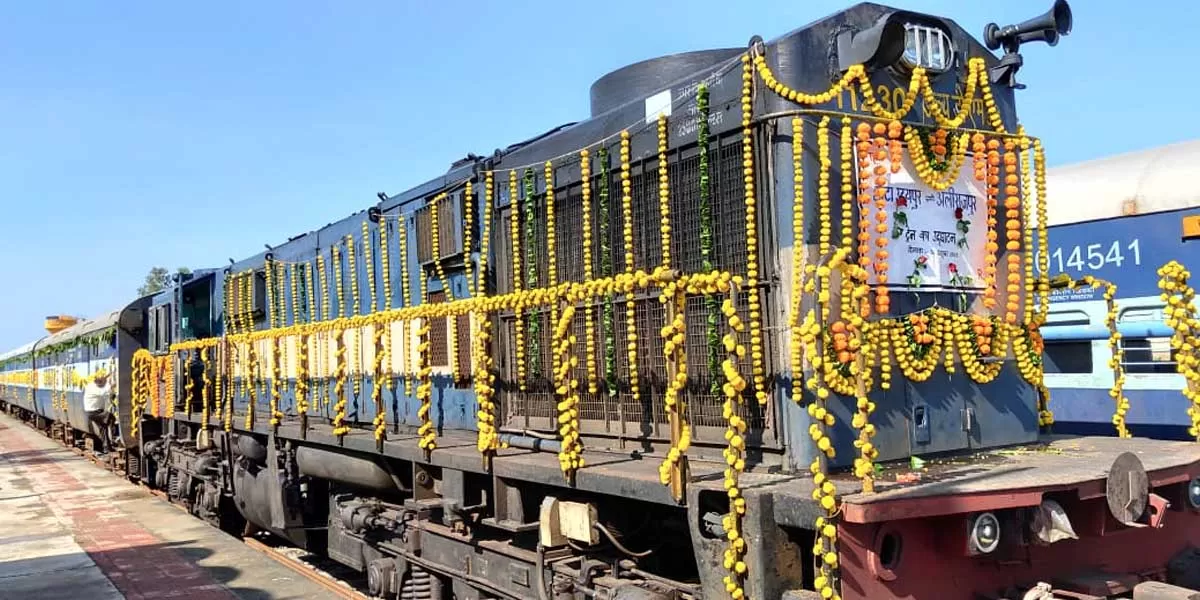
The Western Railways' Chhota Udepur-Dhar new rail line project is progressing rapidly, particularly in the Jobat-Tanda section. This infrastructure initiative is part of India's broader efforts to improve connectivity in the region, promoting economic growth and accessibility for local communities. The project, which spans multiple districts, is expected to boost trade, tourism, and overall regional development.

Key Points:

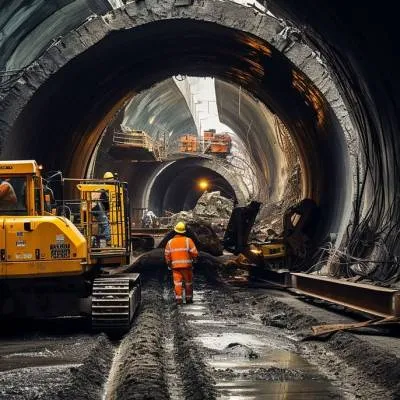
Earthwork and Infrastructure Progress: Significant advancements have been made in the Jobat-Tanda section, particularly in terms of earthwork and foundational infrastructure. This includes extensive land leveling and the laying of necessary groundwork for the upcoming tracks. The progress marks a critical phase for the Chhota Udepur-Dhar line, which aims to enhance connectivity in the states of Gujarat and Madhya Pradesh.

Regional Connectivity Boost: The new line will connect remote areas, significantly reducing travel time and making transportation more accessible for local populations. The rail link is expected to open new avenues for economic activities, including local businesses, agriculture, and tourism. It will also promote trade between regions by offering more efficient logistics solutions for goods transport.

Strategic Importance: The Chhota Udepur-Dhar project is part of a larger national strategy to improve rail connectivity in underserved regions. By creating new links between rural and urban areas, the government aims to enhance mobility, reduce logistical bottlenecks, and foster socio-economic growth.

Tourism and Commerce: The new rail line will offer a significant boost to the tourism sector by making scenic and culturally significant areas more accessible. Additionally, it is anticipated to create job opportunities and support local industries by facilitating smoother transportation of raw materials and finished goods.

Employment and Economic Impact: The construction work itself has generated employment opportunities for local labor, contributing to economic upliftment. Once completed, the rail line will further stimulate economic activity by encouraging investments in infrastructure and ancillary industries, such as hospitality and services.

Future Development: Upon completion, the Chhota Udepur-Dhar rail line is expected to integrate seamlessly with other railway networks in the region, offering better access to national transport corridors. This development will significantly benefit both passenger and freight services, making the region a vital contributor to India's railway network.

The Western Railways' Chhota Udepur-Dhar new rail line project is progressing rapidly, particularly in the Jobat-Tanda section. This infrastructure initiative is part of India's broader efforts to improve connectivity in the region, promoting economic growth and accessibility for local communities. The project, which spans multiple districts, is expected to boost trade, tourism, and overall regional development. Key Points: Earthwork and Infrastructure Progress: Significant advancements have been made in the Jobat-Tanda section, particularly in terms of earthwork and foundational infrastructure. This includes extensive land leveling and the laying of necessary groundwork for the upcoming tracks. The progress marks a critical phase for the Chhota Udepur-Dhar line, which aims to enhance connectivity in the states of Gujarat and Madhya Pradesh. Regional Connectivity Boost: The new line will connect remote areas, significantly reducing travel time and making transportation more accessible for local populations. The rail link is expected to open new avenues for economic activities, including local businesses, agriculture, and tourism. It will also promote trade between regions by offering more efficient logistics solutions for goods transport. Strategic Importance: The Chhota Udepur-Dhar project is part of a larger national strategy to improve rail connectivity in underserved regions. By creating new links between rural and urban areas, the government aims to enhance mobility, reduce logistical bottlenecks, and foster socio-economic growth. Tourism and Commerce: The new rail line will offer a significant boost to the tourism sector by making scenic and culturally significant areas more accessible. Additionally, it is anticipated to create job opportunities and support local industries by facilitating smoother transportation of raw materials and finished goods. Employment and Economic Impact: The construction work itself has generated employment opportunities for local labor, contributing to economic upliftment. Once completed, the rail line will further stimulate economic activity by encouraging investments in infrastructure and ancillary industries, such as hospitality and services. Future Development: Upon completion, the Chhota Udepur-Dhar rail line is expected to integrate seamlessly with other railway networks in the region, offering better access to national transport corridors. This development will significantly benefit both passenger and freight services, making the region a vital contributor to India's railway network.

Next Story
Infrastructure Urban

Jyoti Structures Commissions Galvanisation at Second Nashik Unit

Jyoti Structures has commissioned galvanisation operations at its second tower manufacturing unit in Nashik, strengthening its in-house capabilities across critical stages of power transmission infrastructure production. The listed Engineering, Procurement and Construction (EPC) company operates globally and has delivered projects for customers across more than 50 countries.The second Nashik unit, with an annual manufacturing capacity of 36,000 metric tonnes, has become operational following the completion of installation, testing and readiness of the new galvanising facilities. With this deve..

Next Story
Infrastructure Urban

Jyoti Structures Commissions Galvanisation at Second Nashik Unit

Jyoti Structures has commissioned galvanisation operations at its second tower manufacturing unit in Nashik, strengthening its in-house capabilities across critical stages of power transmission infrastructure production. The listed Engineering, Procurement and Construction (EPC) company operates globally and has delivered projects for customers across more than 50 countries.The second Nashik unit, with an annual manufacturing capacity of 36,000 metric tonnes, has become operational following the completion of installation, testing and readiness of the new galvanising facilities. With this deve..

Next Story
Infrastructure Energy

Rosatom Connects First Kursk NPP-2 Unit to National Grid

Rosatom has launched the first power unit of the Kursk Nuclear Power Plant-2 (Kursk NPP-2) into Russia’s Unified Energy System, marking a key milestone in the country’s nuclear energy programme. The initial grid connection took place at the end of the year, bringing a new source of low-carbon electricity online for the Kursk region and the broader Central Energy System.The newly commissioned unit is the first implementation of the VVER-TOI reactor design, which incorporates advanced safety and performance features. With an installed capacity of 1,250 MW, it is the most powerful nuclear pow..

Advertisement

Subscribe to Our Newsletter

Get daily newsletters around different themes from Construction world.

STAY CONNECTED

Advertisement

Advertisement

Advertisement

Advertisement

Open In App