

Kalka-Shimla Railway Reopens After Monsoon
RAILWAYS & METRO RAIL

Kalka-Shimla Railway Reopens After Monsoon

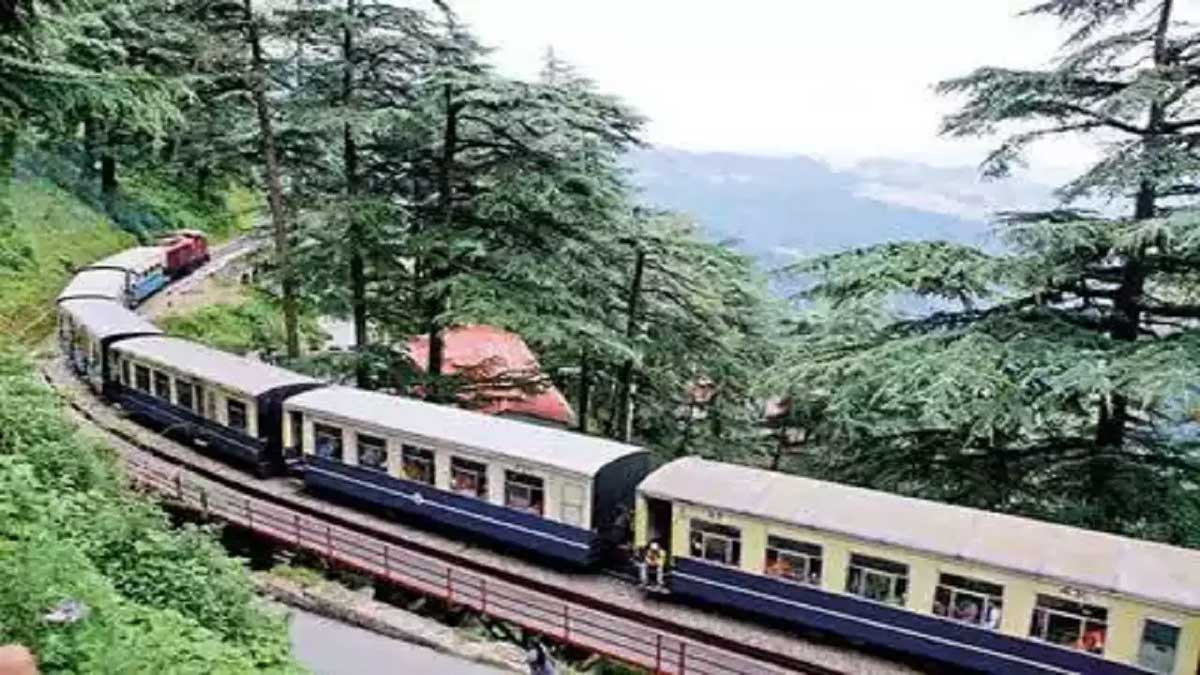
Following the destructive monsoon that struck Himachal Pradesh earlier this month, the historic Kalka-Shimla Railway (KSR), which has been in existence for over 120 years, is set to reopen in a phased manner. The initial phase will involve the reopening of the Kalka-Koti section on September 10. Subsequently, the Koti-Solan section is scheduled to open on September 20, and the Solan-Shimla section is projected to resume operations by September 30. Ambala Divisional Railway Manager (DRM) Mandeep Singh Bhatia stated that the reopening process is contingent upon the absence of further rain-induced damage. The monsoon inflicted significant harm on this heritage railway segment, resulting in considerable damage to railway stations and tracks, as noted by Bhatia.

The region experienced a substantial monsoon, which led to the erosion of the railway track between the Jutogh and Summer Hill stations. This incident marked the second major setback for the iconic railway within a span of a few months, according to a report by The Indian Express. On July 8, the railway faced another challenge when improper placement of drainage pipes beneath the Kalka-Shimla national highway resulted in landslides, causing debris, boulders, and trees to obstruct the track at 135 locations, as reportedly stated by railway officials.

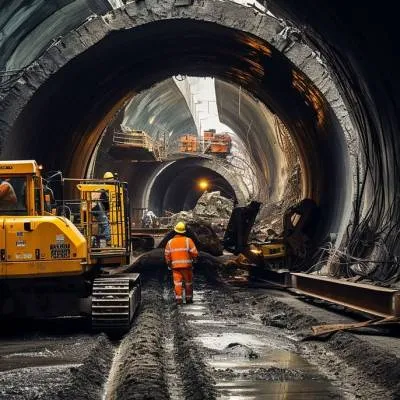
Constructed in the mid-19th century to cater to the needs of Shimla, which served as the summer retreat for the colonial administration, the 96-kilometer-long railway line traverses Haryana and Himachal Pradesh. Initially featuring 107 tunnels, the line's tunnel count has been reduced to 102 due to landslides in the surrounding regions. These tunnels collectively constitute around 8% of the total length of the Kalka-Shimla railway line.

See also:
Iconic Kalka-Shimla Heritage Track Damaged in Himachal
Gati Shakti proposes Rs 7.6B Infra Boost: Roads, Rails


Following the destructive monsoon that struck Himachal Pradesh earlier this month, the historic Kalka-Shimla Railway (KSR), which has been in existence for over 120 years, is set to reopen in a phased manner. The initial phase will involve the reopening of the Kalka-Koti section on September 10. Subsequently, the Koti-Solan section is scheduled to open on September 20, and the Solan-Shimla section is projected to resume operations by September 30. Ambala Divisional Railway Manager (DRM) Mandeep Singh Bhatia stated that the reopening process is contingent upon the absence of further rain-induced damage. The monsoon inflicted significant harm on this heritage railway segment, resulting in considerable damage to railway stations and tracks, as noted by Bhatia. The region experienced a substantial monsoon, which led to the erosion of the railway track between the Jutogh and Summer Hill stations. This incident marked the second major setback for the iconic railway within a span of a few months, according to a report by The Indian Express. On July 8, the railway faced another challenge when improper placement of drainage pipes beneath the Kalka-Shimla national highway resulted in landslides, causing debris, boulders, and trees to obstruct the track at 135 locations, as reportedly stated by railway officials. Constructed in the mid-19th century to cater to the needs of Shimla, which served as the summer retreat for the colonial administration, the 96-kilometer-long railway line traverses Haryana and Himachal Pradesh. Initially featuring 107 tunnels, the line's tunnel count has been reduced to 102 due to landslides in the surrounding regions. These tunnels collectively constitute around 8% of the total length of the Kalka-Shimla railway line. See also: Iconic Kalka-Shimla Heritage Track Damaged in HimachalGati Shakti proposes Rs 7.6B Infra Boost: Roads, Rails

Next Story
Infrastructure Transport

MMRDA advances 250 m on Orange Gate–Marine Drive tunnel

The Mumbai Metropolitan Region Development Authority (MMRDA) has completed 250 m of underground tunnelling for the Orange Gate–Marine Drive Urban Road Tunnel using India’s largest slurry shield tunnel boring machine (TBM) deployed for an urban road project.The project involves twin tunnels extending over 7 km beneath critical transport corridors, including Central Railway, Western Railway and Metro Line 3. The work requires high-precision engineering to navigate densely developed urban infrastructure.Once completed, the tunnel is expected to reduce travel time between Orange Gate and Marin..

Next Story
Infrastructure Urban

Hindustan Zinc Pays Rs 188.46 Billion in FY26

Hindustan Zinc contributed Rs 188.46 billion to the public exchequer in FY 2025-26, according to its 9th Tax Transparency Report. The contribution, equivalent to 46 per cent of the company’s revenue, included direct and indirect taxes, government royalties, dividends to the Government of India, withholding taxes and other statutory levies.The company’s five-year cumulative contribution to the exchequer stood at Rs 915.72 billion. In FY26, Hindustan Zinc reported revenue of Rs 408.44 billion, EBITDA of Rs 221.62 billion and profit after tax of Rs 138.32 billion. It also achieved its highest..

Next Story
Infrastructure Urban

World of Concrete India 2026 Opens in Mumbai

Informa Markets in India will host the 12th edition of World of Concrete India 2026 from 3–5 June 2026 at the Bombay Exhibition Centre, Mumbai. The specialised B2B exhibition will bring together manufacturers, suppliers, contractors, developers, architects, consultants, infrastructure companies, project leaders and government stakeholders.The event is expected to feature over 350 brands and more than 18,000 trade professionals. It will cover concrete and cement, dry mortar, precast technologies, formwork, construction chemicals, industrial and commercial flooring, scaffolding, safety solutio..

Advertisement

Subscribe to Our Newsletter

Get daily newsletters around different themes from Construction world.

STAY CONNECTED

Advertisement

Advertisement

Advertisement

-->