Kerala Plans Kochi Water Metro Expansion To Alappuzha And Kollam
RAILWAYS & METRO RAIL

Kerala Plans Kochi Water Metro Expansion To Alappuzha And Kollam

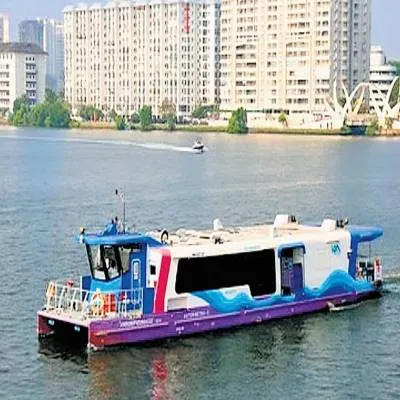
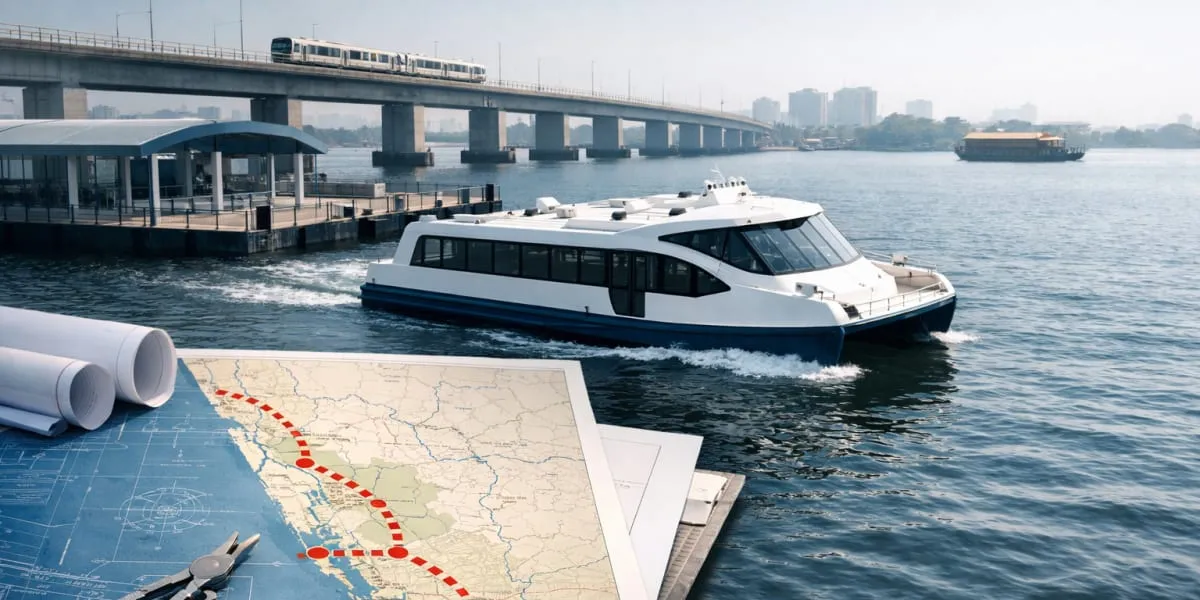
Kerala has announced a plan to extend the Kochi Water Metro (KWM) network to the coastal districts of Alappuzha and Kollam. The expansion aims to enhance coastal mobility and link communities along inland waterways with urban transport hubs. The project will form part of a wider push to integrate waterborne transit with existing road and rail services. The state government stated that feasibility studies have been completed and clearances obtained for initial works.

The implementing agency, Kochi Metro Rail Limited (KMRL), will oversee construction of new terminals, jetties and shore-side infrastructure and will procure vessels tailored for short-haul commuter routes. The design will prioritise accessibility, frequent services and last mile connectivity to bus and rail nodes. Work will include upgrades to navigation channels and passenger amenities to support daily commuter use. Service planning will include timetables aimed at providing frequent peak and off peak services to meet commuter demand.

Funding will combine state allocations, central support and multilateral financing arranged through established channels for urban transport projects. The authority will publish detailed cost estimates and financing terms once tendering concludes and contracts are finalised. Local administrations will coordinate land and environmental clearances with KMRL to expedite implementation. Procurement processes will adhere to transparency norms and international procurement standards to attract experienced operators and vendors.

Officials project that the extension will generate employment during construction and create a reliable transport option that lowers road congestion and carbon emissions along coastal corridors. The scheme will also aim to boost tourism by improving access to backwater destinations and waterfront precincts. Stakeholder consultations and phased rollouts will govern the schedule for services to commence. Authorities will monitor ridership patterns and adapt service frequencies and vessel deployments to optimise operations over time.

Kerala has announced a plan to extend the Kochi Water Metro (KWM) network to the coastal districts of Alappuzha and Kollam. The expansion aims to enhance coastal mobility and link communities along inland waterways with urban transport hubs. The project will form part of a wider push to integrate waterborne transit with existing road and rail services. The state government stated that feasibility studies have been completed and clearances obtained for initial works. The implementing agency, Kochi Metro Rail Limited (KMRL), will oversee construction of new terminals, jetties and shore-side infrastructure and will procure vessels tailored for short-haul commuter routes. The design will prioritise accessibility, frequent services and last mile connectivity to bus and rail nodes. Work will include upgrades to navigation channels and passenger amenities to support daily commuter use. Service planning will include timetables aimed at providing frequent peak and off peak services to meet commuter demand. Funding will combine state allocations, central support and multilateral financing arranged through established channels for urban transport projects. The authority will publish detailed cost estimates and financing terms once tendering concludes and contracts are finalised. Local administrations will coordinate land and environmental clearances with KMRL to expedite implementation. Procurement processes will adhere to transparency norms and international procurement standards to attract experienced operators and vendors. Officials project that the extension will generate employment during construction and create a reliable transport option that lowers road congestion and carbon emissions along coastal corridors. The scheme will also aim to boost tourism by improving access to backwater destinations and waterfront precincts. Stakeholder consultations and phased rollouts will govern the schedule for services to commence. Authorities will monitor ridership patterns and adapt service frequencies and vessel deployments to optimise operations over time.

Next Story
Infrastructure Urban

Meghalaya Launches Rs 1.75 Billion Mission for Lakadong Turmeric

Meghalaya has launched Mission Golden Spice: Integrated Lakadong Turmeric Value Chain Enhancement Project, marking a major step towards establishing the state as a global centre for premium, organic and GI-tagged Lakadong turmeric.Launched at Sanchar Bhavan in New Delhi, the initiative aims to transform Meghalaya’s agricultural sector by moving farmers from traditional commodity production towards a value-driven, entrepreneurship-led ecosystem. Through a Community-Public-Private Partnership (CPPP) model, the project focuses on strengthening processing capabilities, improving market access an..

Next Story
Infrastructure Urban

Staunch Electronics Expands EMS Capabilities Amid India’s Manufacturing Growth

Staunch Electronics India, an Electronics Manufacturing Services (EMS), Original Equipment Manufacturer (OEM), and Original Design Manufacturer (ODM), is strengthening its presence in India’s growing electronics manufacturing ecosystem through its focus on manufacturing excellence, innovation, and customer-centric partnerships.Founded in 2014, Staunch Electronics India has built over a decade of manufacturing expertise, providing electronic manufacturing solutions across multiple industries. The company offers integrated EMS, OEM, and ODM services covering product engineering, design support..

Next Story
Infrastructure Energy

Dreamfly plans 200 MWh drone battery facility

Dreamfly Innovations has announced plans to establish a 40,000 sq ft aviation battery manufacturing facility in North Bengaluru with an initial annual capacity of 100 MWh, scalable to 200 MWh.The facility will produce advanced batteries for defence, surveillance, inspection, agricultural spraying, logistics and emerging air mobility platforms such as air taxis. The company said the project would strengthen India’s domestic drone supply chain by expanding local production of a critical unmanned aerial system component.Dreamfly currently reports indigenous content of 77% in its products. The c..

Advertisement

Subscribe to Our Newsletter

Get daily newsletters around different themes from Construction world.

STAY CONNECTED

Advertisement

Advertisement

Advertisement