Kochi Water Metro Feasibility Study Underway For Airport Link
RAILWAYS & METRO RAIL

Kochi Water Metro Feasibility Study Underway For Airport Link

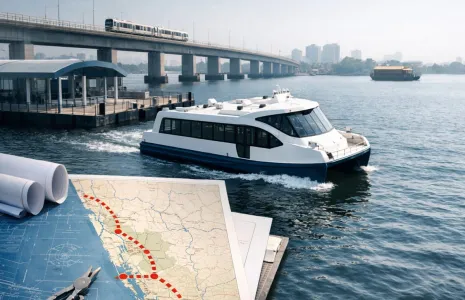
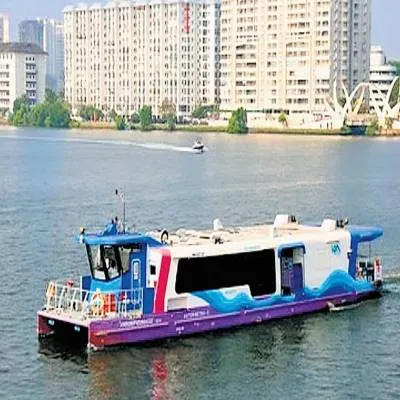
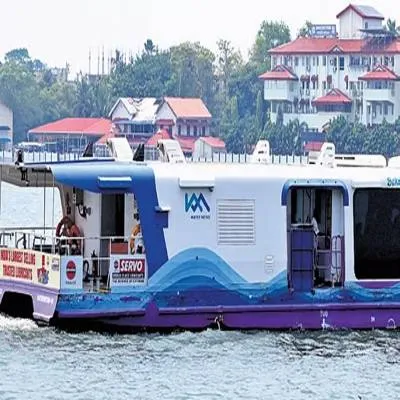
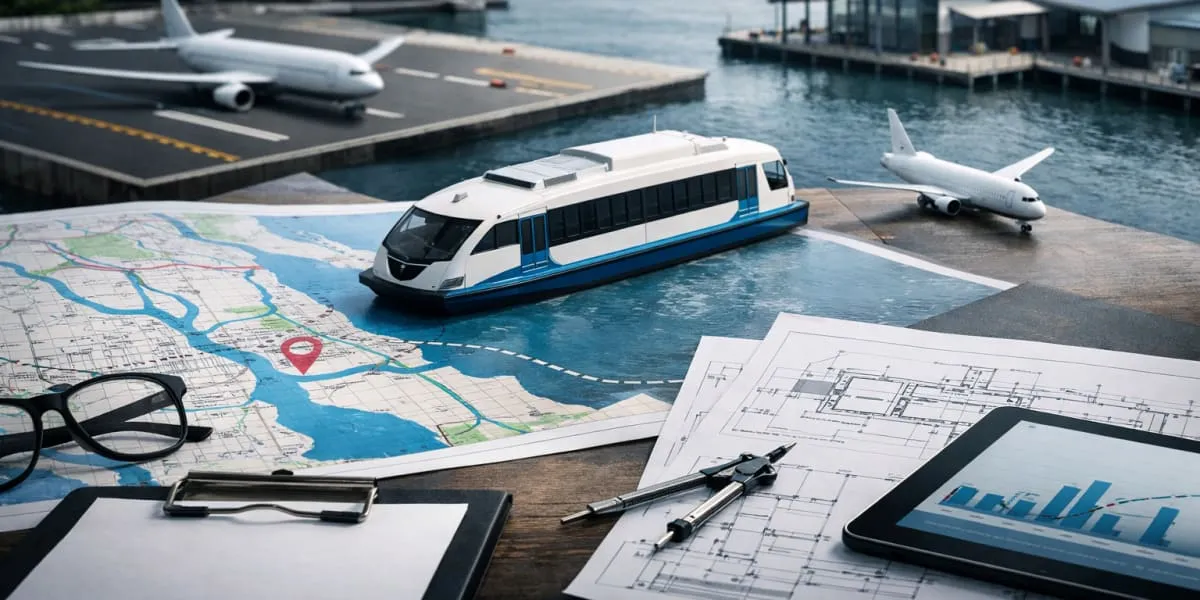
Kochi Water Metro is undergoing a feasibility study to evaluate a direct connection to Kochi International Airport, officials said. The study is being led by Kochi Metro Rail Limited (KMRL) in coordination with city authorities and port agencies. It will examine potential ferry routes, terminal locations and integration with existing metro and bus networks. The objective is to assess technical viability, passenger demand and operational logistics for a dedicated water metro link to the airport precinct.

KMRL will evaluate options for terminals that enable seamless transfers with the metro and feeder buses. The study includes analysis of boarding facilities, passenger circulation, ticketing interchanges and provisions for luggage handling. Engineers will assess navigational channels, berth designs and tidal considerations to ensure safe and reliable services. Environmental assessments will consider shoreline impacts and measures to protect marine habitats while maintaining efficient service patterns.

Planners anticipate that a water metro connection to the airport will enhance last mile connectivity and reduce road congestion on key corridors serving the city. Projections in the study will consider passenger flows during peak travel periods and the potential for integrated scheduling with other public transport modes. Operational planning addresses fleet requirements, turnaround times and maintenance facilities to support reliable daily operations.

The feasibility study will be finalised in phases with technical reports and an executive summary to guide design and procurement decisions, and the findings will inform discussions on funding and regulatory clearances. Stakeholders include transport authorities, port officials and airport operators who will review alignment options and operational models to ensure integration with citywide mobility plans. Public consultations will be organised to gather feedback and refine station locations and service patterns before any detailed design work proceeds.

"Join industry leaders at RAHSTA Expo, India's premier platform for roads, highways and traffic infrastructure. Register now to explore innovations, network with experts and shape the future of mobility."

Kochi Water Metro is undergoing a feasibility study to evaluate a direct connection to Kochi International Airport, officials said. The study is being led by Kochi Metro Rail Limited (KMRL) in coordination with city authorities and port agencies. It will examine potential ferry routes, terminal locations and integration with existing metro and bus networks. The objective is to assess technical viability, passenger demand and operational logistics for a dedicated water metro link to the airport precinct. KMRL will evaluate options for terminals that enable seamless transfers with the metro and feeder buses. The study includes analysis of boarding facilities, passenger circulation, ticketing interchanges and provisions for luggage handling. Engineers will assess navigational channels, berth designs and tidal considerations to ensure safe and reliable services. Environmental assessments will consider shoreline impacts and measures to protect marine habitats while maintaining efficient service patterns. Planners anticipate that a water metro connection to the airport will enhance last mile connectivity and reduce road congestion on key corridors serving the city. Projections in the study will consider passenger flows during peak travel periods and the potential for integrated scheduling with other public transport modes. Operational planning addresses fleet requirements, turnaround times and maintenance facilities to support reliable daily operations. The feasibility study will be finalised in phases with technical reports and an executive summary to guide design and procurement decisions, and the findings will inform discussions on funding and regulatory clearances. Stakeholders include transport authorities, port officials and airport operators who will review alignment options and operational models to ensure integration with citywide mobility plans. Public consultations will be organised to gather feedback and refine station locations and service patterns before any detailed design work proceeds.

Next Story
Infrastructure Transport

Bhogapuram Airport Set For Take Off After Licence Issued

Union Civil Aviation Minister Kinjarapu Ram Mohan Naidu announced that Alluri Sitharama Raju Bhogapuram International Airport has achieved 100 per cent completion following issuance of its aerodrome licence by the Ministry of Civil Aviation after an inspection with public representatives, district officials and GMR Group representatives. The licence was granted after extensive verification over the past month to ensure that safety and operational standards were met. The Chief Minister's Office has already contacted the Prime Minister's Office to finalise an inauguration date and commercial fli..

Next Story
Infrastructure Urban

Auto Sector To Grow 22-24 Per Cent In Q1 FY27

Credit Rating Information Services of India (Crisil) estimated that India's automobile sector is expected to report revenue growth of 22-24 per cent year-on-year in the first quarter of FY27 and to be among the largest contributors to corporate revenue growth in the quarter. The agency estimated overall corporate revenue to have grown 11-11.5 per cent year-on-year in the quarter ended 30 June 2026, the fastest pace in two years despite supply chain disruptions and higher input costs from the West Asia conflict. This compared with growth of 9.6 per cent in the preceding quarter. Crisil said the..

Next Story
Infrastructure Urban

Nomura Sees Q1 Pressure On Cement Margins; Backs Major Players

Nomura said cement margins will be under pressure in the June quarter as fuel and packaging costs rose, although volume growth is expected to remain healthy. The brokerage forecast six to seven per cent year-on-year organic volume growth for the Indian cement industry in the period, with Shree Cement identified as likely to post the highest growth at 15 per cent year-on-year. It noted that the West and North regions outperformed on pricing, aiding companies with greater exposure in those markets. Average trade prices improved three per cent sequentially to around Rs 326 per bag after price inc..

Advertisement

Subscribe to Our Newsletter

Get daily newsletters around different themes from Construction world.

STAY CONNECTED

Advertisement

Advertisement

Advertisement