MMRDA to levy TOD charge on new buildings near Metro 7
RAILWAYS & METRO RAIL

MMRDA to levy TOD charge on new buildings near Metro 7

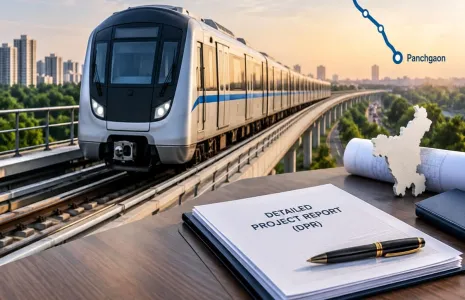
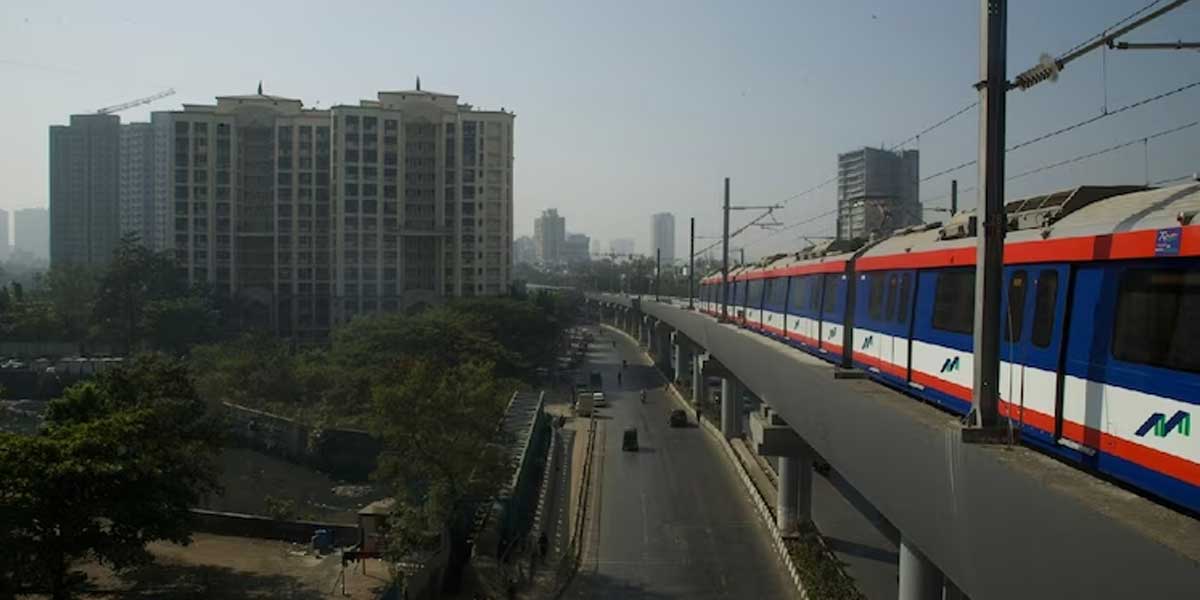
The Mumbai Metropolitan Region Development Authority (MMRDA) has proposed a new charge on new residential and commercial buildings within 200 meters of the Metro 7 line. The charge, known as a transit-oriented development (TOD) charge, is still being finalized, but it is expected to be in the range of ₹1,000 to ₹2,000 per square meter.

The MMRDA says that the TOD charge is necessary to help fund the construction and maintenance of the Metro 7 line, as well as to support other development in the area. The authority also argues that the charge is fair, as developers benefit from the increased value of their property due to the proximity of the Metro line.

However, developers have criticized the TOD charge, arguing that it is an additional burden that will make it more difficult to build affordable housing in the area. They also argue that the MMRDA has not done enough to justify the need for the charge.

The MMRDA has said that it is willing to consider alternative proposals for funding the Metro 7 line, but it has not yet announced any specific plans. It is possible that the TOD charge could be implemented in a phased approach, with the rates increasing over time.

The proposed TOD charge is just one of a number of challenges facing the development of the Metro 7 line. The line has been delayed several times, and it is now not expected to be completed until 2025. The MMRDA is also facing opposition from residents in some areas along the route, who are concerned about the impact of the Metro line on their neighborhoods.

Despite these challenges, the MMRDA is confident that the Metro 7 line will be a success. The authority says that the line will provide a much-needed boost to the economy of the western suburbs, and it will also help to reduce traffic congestion in the area.

The proposed TOD charge is a controversial issue, but it is one that is likely to be debated for some time to come. The MMRDA will need to carefully consider the arguments of both developers and residents before making a final decision on whether or not to implement the charge.

See also:
Mumbai Metro opens FOBs on Metro Line 7
MMRDA NCC wins Mumbai Metro Line-2B’s Pending work


The Mumbai Metropolitan Region Development Authority (MMRDA) has proposed a new charge on new residential and commercial buildings within 200 meters of the Metro 7 line. The charge, known as a transit-oriented development (TOD) charge, is still being finalized, but it is expected to be in the range of ₹1,000 to ₹2,000 per square meter. The MMRDA says that the TOD charge is necessary to help fund the construction and maintenance of the Metro 7 line, as well as to support other development in the area. The authority also argues that the charge is fair, as developers benefit from the increased value of their property due to the proximity of the Metro line. However, developers have criticized the TOD charge, arguing that it is an additional burden that will make it more difficult to build affordable housing in the area. They also argue that the MMRDA has not done enough to justify the need for the charge. The MMRDA has said that it is willing to consider alternative proposals for funding the Metro 7 line, but it has not yet announced any specific plans. It is possible that the TOD charge could be implemented in a phased approach, with the rates increasing over time. The proposed TOD charge is just one of a number of challenges facing the development of the Metro 7 line. The line has been delayed several times, and it is now not expected to be completed until 2025. The MMRDA is also facing opposition from residents in some areas along the route, who are concerned about the impact of the Metro line on their neighborhoods. Despite these challenges, the MMRDA is confident that the Metro 7 line will be a success. The authority says that the line will provide a much-needed boost to the economy of the western suburbs, and it will also help to reduce traffic congestion in the area. The proposed TOD charge is a controversial issue, but it is one that is likely to be debated for some time to come. The MMRDA will need to carefully consider the arguments of both developers and residents before making a final decision on whether or not to implement the charge. See also: Mumbai Metro opens FOBs on Metro Line 7MMRDA NCC wins Mumbai Metro Line-2B’s Pending work

Next Story
Real Estate

RBI Rate Cut Boosts Confidence Across Housing Market

Industry Context and Market DynamicsThe real estate industry has welcomed the RBI’s rate cut as a timely boost to affordability and demand. With home prices having risen steadily across major markets, even a marginal reduction in interest rates meaningfully strengthens purchasing power, especially for first-time and mid-income buyers.Ashish Jerath, President – Sales & Marketing, Smartworld Developers, observes:“The RBI’s 25-basis-point cut, bringing the repo rate down to 5.25%, is a timely boost for the real estate sector. Lower interest rates reduce borrowing costs, enabling homeb..

Next Story
Infrastructure Transport

BMC Resumes Rs 170 Billion Road Works, Targets 80 per cent By Jan 2026

Following the withdrawal of the southwest monsoon in October, the Brihanmumbai Municipal Corporation (BMC) has restarted work on 645 roads—covering 297.49 kilometres—under its large-scale concretisation programme. Data shows that more than 60 per cent of the resumed works are located in the western suburbs. Officials said the civic body aims to complete concretisation on 80 per cent of the roads where fresh work has begun by January 2026. Launched in 2022, the Rs 170 billion project seeks to concretise 700 kilometres of roads across Mumbai. All civil works were halted during the monsoon ..

Next Story
Infrastructure Urban

India Pushes Digital Shift In Urban Land Mapping

The Department of Land Resources (DoLR) under the Ministry of Rural Development has convened a National Symposium on NAKSHA – the National Geospatial Knowledge-based Land Survey of Urban Habitations – to advance India’s transition to modern, technology-driven land mapping. Speaking at the inaugural session, Secretary Manoj Joshi underscored the urgent need to move revenue departments away from outdated, tape-based methods and rough hand-drawn sketches. He stressed that adopting latitude–longitude-based digital mapping and GIS-linked registration systems is essential for economic stabi..

Advertisement

Subscribe to Our Newsletter

Get daily newsletters around different themes from Construction world.

STAY CONNECTED

Advertisement

Advertisement

Advertisement

Advertisement

Open In App