Mumbai Monorail To Resume With New CBTC Trains
RAILWAYS & METRO RAIL

Mumbai Monorail To Resume With New CBTC Trains

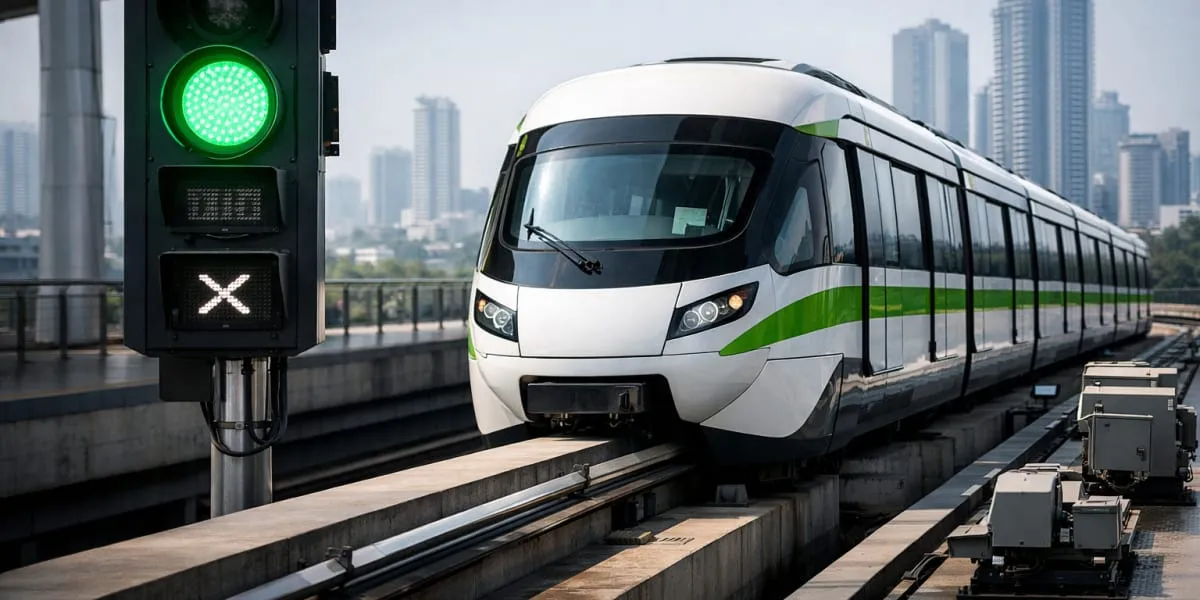
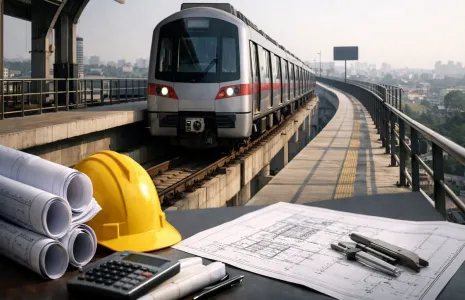
Mumbai's Monorail will resume passenger services after a modernisation that includes an upgraded Communication-Based Train Control signalling system and a new fleet of Made in India trains. The Commissioner of Metro Rail Safety granted final statutory clearance and the Mumbai Metropolitan Region Development Authority obtained state approvals to restart operations. The move is intended to improve reliability and Metro connectivity.

MMRDA indicates operational losses are likely to continue because the corridor's permitted passenger capacity remains constrained. Annual losses are estimated to fall from nearly Rs 1.8 billion (bn) to around Rs 1.2 bn after modernisation, reflecting energy savings and improved systems but not restoring profitability. The authority cites regenerative braking and other efficiencies for the reduced costs.

The upgrade includes the induction of 10 new monorail rakes and retrofitting of the existing fleet with CBTC technology to enable continuous communication, reduced headway and improved scheduling. The signalling changes are expected to increase service frequency and enhance operational safety ahead of the restart.

The monorail's single elevated guideway limits passenger numbers and staff will manage station entry to prevent overcrowding, so commuters may need to wait for later services when capacity is reached. The measure follows earlier disruptions from sudden demand surges and standard operating procedures have been revised to support crowd management.

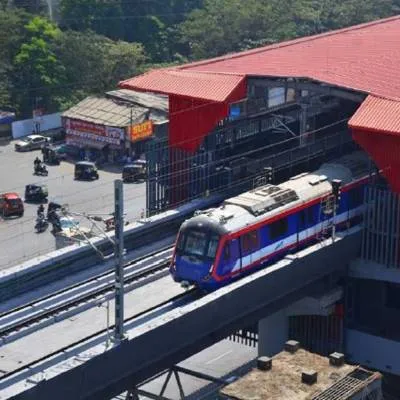
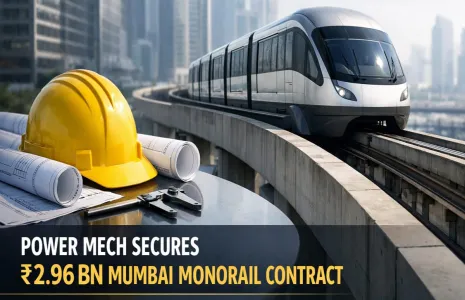
The 19.54 km corridor between Sant Ghadge Maharaj Chowk in Mahalaxmi and Chembur was built at a cost of about Rs 24.6 bn and comprises 17 stations. MMRDA is constructing a foot overbridge with travelators to link V.N. Purav Chowk Monorail station with the upcoming Metro Line 2B Chembur station, about 50 metres away. The authority has appointed Power Mech Projects to operate and maintain the network for five years and expects the upgrades and Metro integration to improve commuter convenience, while acknowledging the system is unlikely to become financially self sustaining.

Mumbai's Monorail will resume passenger services after a modernisation that includes an upgraded Communication-Based Train Control signalling system and a new fleet of Made in India trains. The Commissioner of Metro Rail Safety granted final statutory clearance and the Mumbai Metropolitan Region Development Authority obtained state approvals to restart operations. The move is intended to improve reliability and Metro connectivity. MMRDA indicates operational losses are likely to continue because the corridor's permitted passenger capacity remains constrained. Annual losses are estimated to fall from nearly Rs 1.8 billion (bn) to around Rs 1.2 bn after modernisation, reflecting energy savings and improved systems but not restoring profitability. The authority cites regenerative braking and other efficiencies for the reduced costs. The upgrade includes the induction of 10 new monorail rakes and retrofitting of the existing fleet with CBTC technology to enable continuous communication, reduced headway and improved scheduling. The signalling changes are expected to increase service frequency and enhance operational safety ahead of the restart. The monorail's single elevated guideway limits passenger numbers and staff will manage station entry to prevent overcrowding, so commuters may need to wait for later services when capacity is reached. The measure follows earlier disruptions from sudden demand surges and standard operating procedures have been revised to support crowd management. The 19.54 km corridor between Sant Ghadge Maharaj Chowk in Mahalaxmi and Chembur was built at a cost of about Rs 24.6 bn and comprises 17 stations. MMRDA is constructing a foot overbridge with travelators to link V.N. Purav Chowk Monorail station with the upcoming Metro Line 2B Chembur station, about 50 metres away. The authority has appointed Power Mech Projects to operate and maintain the network for five years and expects the upgrades and Metro integration to improve commuter convenience, while acknowledging the system is unlikely to become financially self sustaining.

Related Stories

Gold Stories

Next Story
Infrastructure Urban

Walplast HomeSure Posts Strong Q1 Growth Across Categories

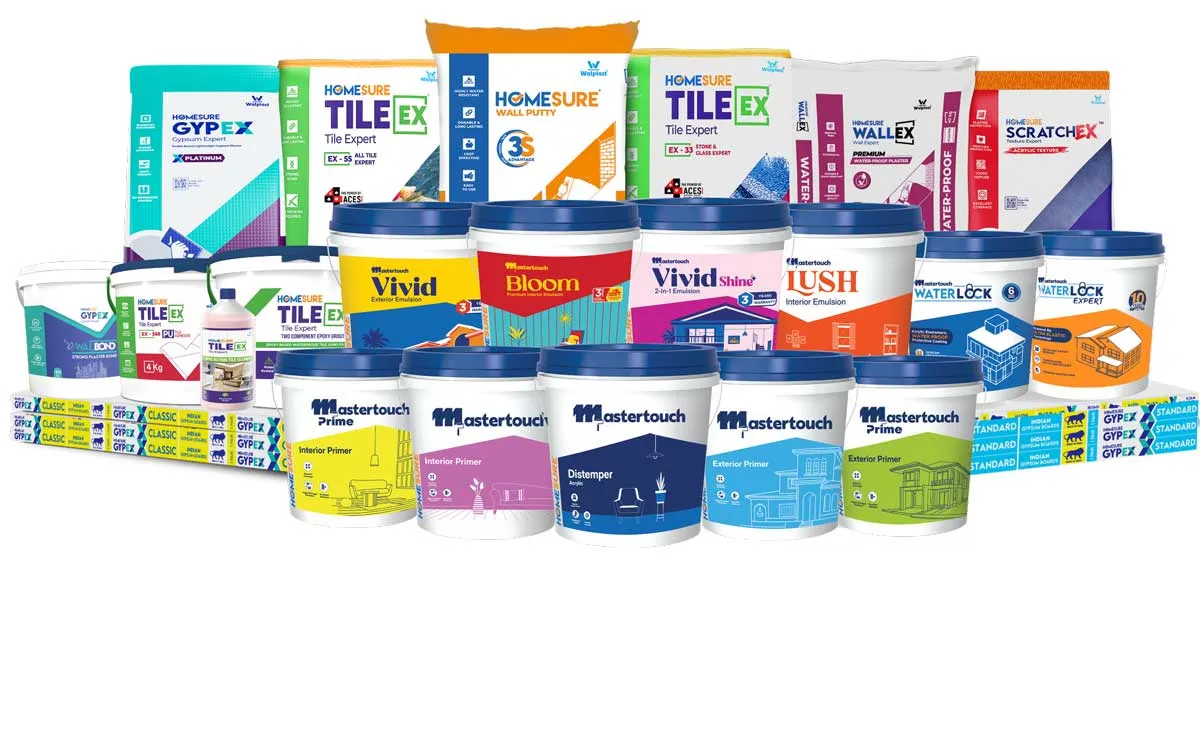
Walplast Products reported strong year-on-year growth across key categories of its HomeSure portfolio during the April-June quarter of 2026, supported by demand for value-added construction materials and expansion of its product and distribution network.HomeSure GypEx Walbond recorded the highest growth at 157 per cent, followed by HomeSure GypEx Gypsum Plaster at 97 per cent and HomeSure TileEx Tile Adhesive at 75 per cent. Textures grew 55 per cent, while HomeSure Wall Putty and HomeSure TileEx Tile Cleaner each registered 40 per cent growth. HomeSure TileEx Cementitious Tile Grout grew 25 p..
Next Story
Infrastructure Energy

Vedanta Deploys India’s First High-Speed Hydrostatic Drill Rig

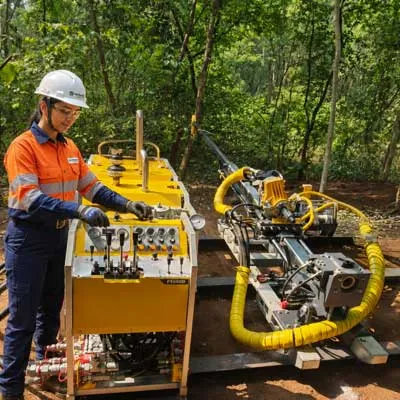
Vedanta Limited has commissioned India’s first high-tech, high-speed hydrostatic portable drilling rig equipped with advanced safety features, strengthening its technology-led mineral exploration capabilities. The rigs have been deployed at two of the company’s exploration projects in Chhattisgarh targeting gold and critical minerals including nickel, chromium and platinum group elements (PGE).Designed for inaccessible and difficult terrain, the portable rig can drill to depths of up to 1,000 metres, compared with the typical 300–400 metre range. Its portability is expected to reduce tim..
Next Story
Infrastructure Transport

ELAN, Marriott Sign Deal for JW Marriott Gurugram Project

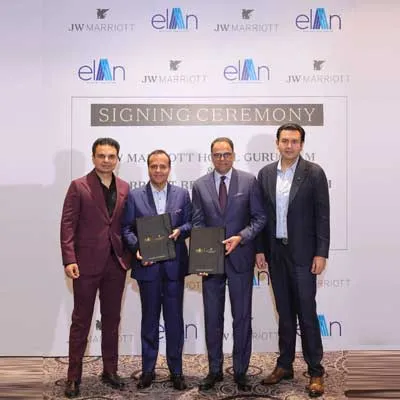
ELAN Group and Marriott International have recently signed a licensing and management agreement to develop the JW Marriott Hotel Gurugram and JW Marriott Residences Gurugram at Sector 106 on Dwarka Expressway.The hotel and residences will form part of ELAN Group’s approximately 50-acre integrated township in Gurugram. ELAN Group will undertake the construction and development of both components, while Marriott Hotels India will manage the properties upon completion.JW Marriott Residences Gurugram will comprise 3, 4 and 5 BHK luxury homes. Sales and marketing of the residences will begin afte..

Advertisement

Subscribe to Our Newsletter

Get daily newsletters around different themes from Construction world.

STAY CONNECTED

Advertisement