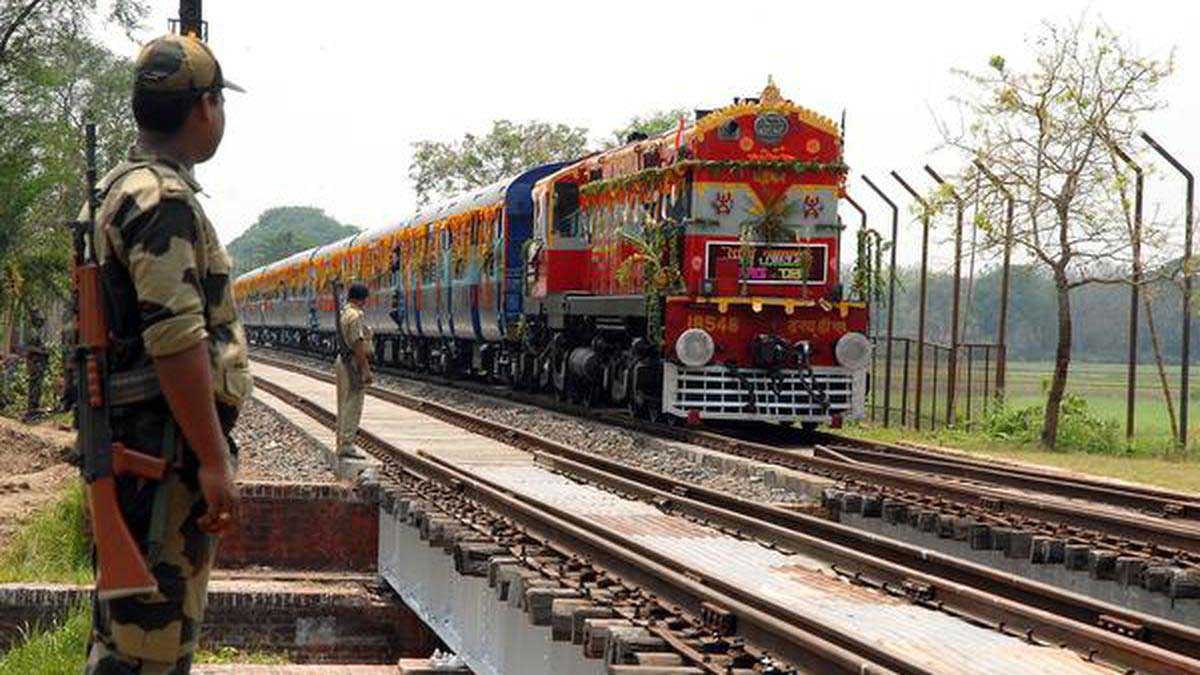
New non-AC Amrit Bharat trains promise swifter rail travel
RAILWAYS & METRO RAIL

New non-AC Amrit Bharat trains promise swifter rail travel

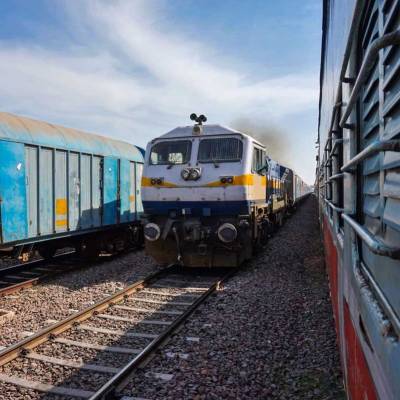
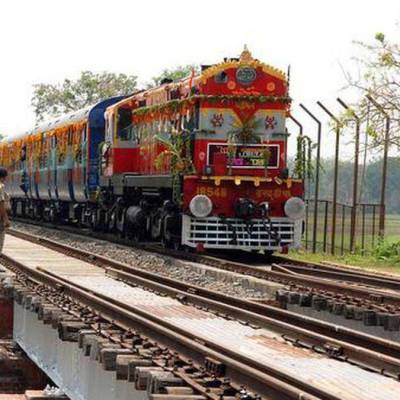
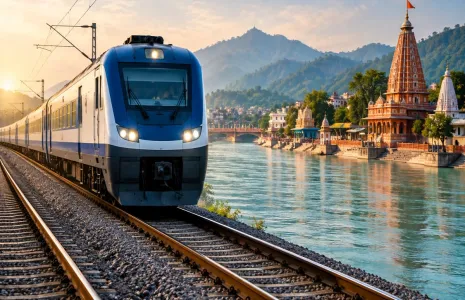
In a bid to enhance rail travel experience, the Indian Railways is set to introduce faster non-AC Amrit Bharat trains. Geared towards providing a quicker alternative for passengers who prioritize speed over air-conditioned amenities, these trains are part of the railway's ongoing efforts to optimize and diversify its service offerings.

The non-AC Amrit Bharat trains aim to cater to the segment of travelers seeking efficiency in their journeys. With an emphasis on speed, the trains will enable commuters to reach their destinations in reduced travel times. This initiative aligns with the broader strategy of the Indian Railways to meet the diverse needs of passengers and offer a range of travel options.

The decision to introduce faster non-AC trains reflects a nuanced approach to passenger preferences and demands. While the existing Amrit Bharat trains have already gained popularity for their affordability and comfort, the addition of speed-focused alternatives enhances the railway's versatility in meeting the expectations of a broad spectrum of passengers.

As the railway network evolves, the introduction of faster non-AC Amrit Bharat trains is poised to contribute to the efficiency and competitiveness of rail transportation, providing travelers with more choices and ensuring that rail travel remains a viable and attractive mode of commuting.

"Join industry leaders at RAHSTA Expo, India's premier platform for roads, highways and traffic infrastructure. Register now to explore innovations, network with experts and shape the future of mobility."

In a bid to enhance rail travel experience, the Indian Railways is set to introduce faster non-AC Amrit Bharat trains. Geared towards providing a quicker alternative for passengers who prioritize speed over air-conditioned amenities, these trains are part of the railway's ongoing efforts to optimize and diversify its service offerings. The non-AC Amrit Bharat trains aim to cater to the segment of travelers seeking efficiency in their journeys. With an emphasis on speed, the trains will enable commuters to reach their destinations in reduced travel times. This initiative aligns with the broader strategy of the Indian Railways to meet the diverse needs of passengers and offer a range of travel options. The decision to introduce faster non-AC trains reflects a nuanced approach to passenger preferences and demands. While the existing Amrit Bharat trains have already gained popularity for their affordability and comfort, the addition of speed-focused alternatives enhances the railway's versatility in meeting the expectations of a broad spectrum of passengers. As the railway network evolves, the introduction of faster non-AC Amrit Bharat trains is poised to contribute to the efficiency and competitiveness of rail transportation, providing travelers with more choices and ensuring that rail travel remains a viable and attractive mode of commuting.

Next Story
Infrastructure Energy

Hexa Climate Signs 100 MW Wind Solar PPA With CESC

Hexa Climate has signed a power purchase agreement with CESC Limited for the supply of 100 megawatt (MW) of Interstate Transmission System (ISTS) connected wind-solar hybrid power, at a tariff of Rs three point seven five per kWh fixed for 25 years. The contracted capacity is 100 MW while the installation will include 50 MW of solar and 100 MW of wind to enable hybrid generation from a site in Mandsaur, Madhya Pradesh. The tariff has been adopted by the West Bengal Electricity Regulatory Commission, providing regulatory assent for the long term arrangement. The agreement was secured through CE..

Next Story
Infrastructure Energy

JUWI Tops One GW Under Construction As Solar Portfolio Exceeds 900 MW

Renewable energy developer JUWI has reached a milestone of one gigawatt (GW) of renewable capacity under simultaneous construction across its global portfolio, reflecting expansion in solar and wind sectors. The firm said it is installing around 1.3 million (mn) solar modules across 12 photovoltaic (PV) projects and is constructing 46 wind turbines with a combined capacity of about 270 megawatt (MW). Overall, nearly one GW of additional capacity is expected to be commissioned in the coming months. Module installation has begun at the Trifylli solar park in northern Greece, part of the 156 MW C..

Next Story
Infrastructure Energy

MNRE Clarifies ALMM List-II Rules For Government Rooftop Solar

The Ministry of New and Renewable Energy issued a memorandum dated 6 July 2026 clarifying implementation of the Approved List of Models and Manufacturers (ALMM) List-II requirements for solar photovoltaic (PV) cells in rooftop solar projects on government buildings. The clarification restated that ALMM List-I covers solar PV modules while ALMM List-II applies to solar PV cells and that the framework seeks to promote the use of domestically manufactured equipment. The mandatory application of List-II had been scheduled from 1 June 2026, but industry representations prompted the ministry to spec..

Advertisement

Subscribe to Our Newsletter

Get daily newsletters around different themes from Construction world.

STAY CONNECTED

Advertisement

Advertisement

Advertisement