+
NHSRCL floats tender for 21 km tunnel for bullet train project
RAILWAYS & METRO RAIL

NHSRCL floats tender for 21 km tunnel for bullet train project

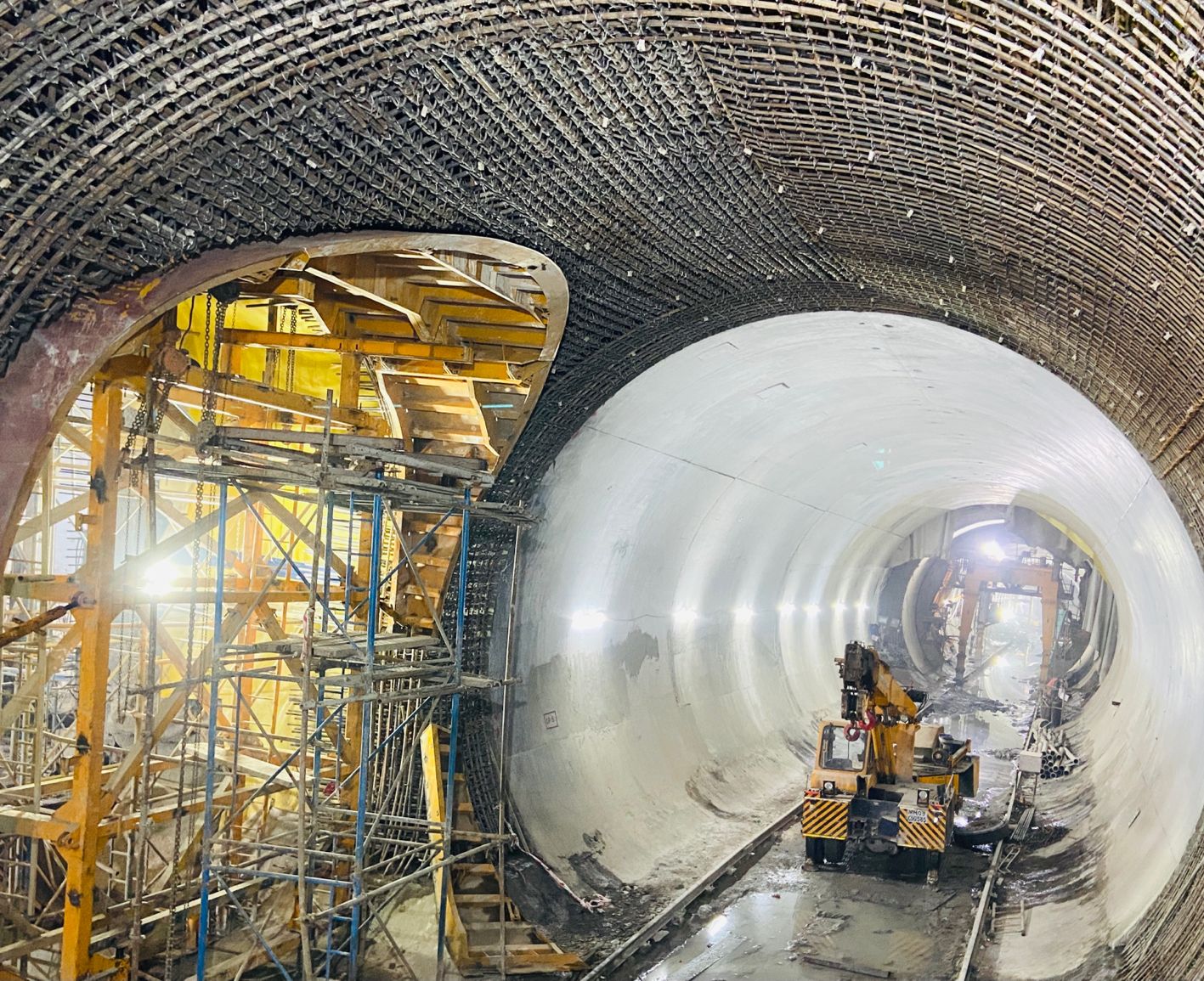
The National High-Speed Railway Corporation Limited (NHSRCL) has invited bids for developing a 21 km long tunnel for the Mumbai-Ahmedabad High-Speed Rail Corridor (MAHSR).

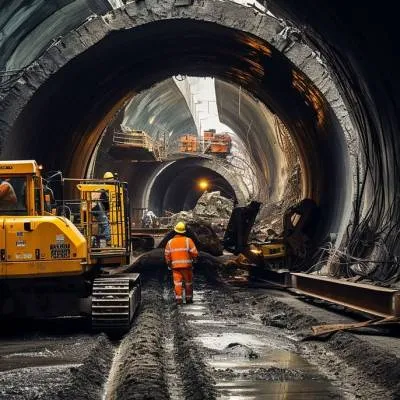
A spokesperson of NHSRCL told the media that the tunnel would be constructed between Bandra-Kurla Complex and Shilphata. The corporation floated tender for a 21 km underground tunnel, including a 7 km long undersea tunnel to be constructed through Tunnel Boring Machine (TBM) and New Austrian Tunnelling Method (NATM).

He added that the bidding is open to Indian and Japanese companies. The total cost of the bullet train project is Rs 1.08 lakh crore. As per the shareholding pattern, the centre will pay Rs 10,000 crore to NHSRCL, and the state governments of Maharashtra and Gujarat will give Rs 5,000 crore each. The Japanese loan will pay the remaining amount at 0.1% interest.

NHSRCL opened the financial bids last month for the designing and construction of about 18 km of the viaduct between Anand and Sabarmati, including High-Speed Rail stations under the C7 package.

The bids were opened for the four eligible bidders, and IRCON-DINESHCHANDRA JV is the lowest bidder. India's first Mumbai-Ahmedabad High-Speed Rail Corridor, the bullet trains would be operated at 320 km per hour, covering 508 km and 12 rail stations.

Image Source

Also read: NHSRCL to acquire land at Rs 167.60 cr for bullet train project

The National High-Speed Railway Corporation Limited (NHSRCL) has invited bids for developing a 21 km long tunnel for the Mumbai-Ahmedabad High-Speed Rail Corridor (MAHSR). A spokesperson of NHSRCL told the media that the tunnel would be constructed between Bandra-Kurla Complex and Shilphata. The corporation floated tender for a 21 km underground tunnel, including a 7 km long undersea tunnel to be constructed through Tunnel Boring Machine (TBM) and New Austrian Tunnelling Method (NATM). He added that the bidding is open to Indian and Japanese companies. The total cost of the bullet train project is Rs 1.08 lakh crore. As per the shareholding pattern, the centre will pay Rs 10,000 crore to NHSRCL, and the state governments of Maharashtra and Gujarat will give Rs 5,000 crore each. The Japanese loan will pay the remaining amount at 0.1% interest. NHSRCL opened the financial bids last month for the designing and construction of about 18 km of the viaduct between Anand and Sabarmati, including High-Speed Rail stations under the C7 package. The bids were opened for the four eligible bidders, and IRCON-DINESHCHANDRA JV is the lowest bidder. India's first Mumbai-Ahmedabad High-Speed Rail Corridor, the bullet trains would be operated at 320 km per hour, covering 508 km and 12 rail stations. Image Source Also read: NHSRCL to acquire land at Rs 167.60 cr for bullet train project

Related Stories

Gold Stories

Next Story
Infrastructure Urban

Infrastructure Opportunity Outlook by IMPACCT.Info

India’s infrastructure pipeline is witnessing dynamic activity across stages — from immediate bidding to future planning. IMPACCT segments these into three categories: Immediate, 3–6 Month, and Future Opportunities, enabling businesses to identify, prepare, and participate in high-value tenders and projects across sectors.To read full article Click Here ..

Next Story
Real Estate

Glass, Reframed!

Glass façades, quintessential aesthetic building envelopes globally, have been widely adopted in India as well. But when the focus is high-performance building systems that deliver energy efficiency, comfort and architectural identity, glass isn’t the only preference. Combination solutions, involving glass and some other material, improve façade outcomes. Some combinations come at comparable prices, some at a higher price. Here is a selection of performance-oriented solutions...To read the full story Click Here ..

Next Story
Infrastructure Urban

Beyond Building Faster

India’s cities are expanding at an unprecedented pace, bringing new infrastructure and development opportunities while also intensifying challenges around mobility, public spaces, liveability and supporting infrastructure. The question, therefore, is not simply whether India can build faster, but whether it can build cities that work better.At a CW webinar, Are We Designing Better Cities – or Just Building Faster?, moderator Ar. Samir Shaikh, Founding Principal, AR&UD Studio, brought together perspectives from design, development, master planning and technology...To read the full artic..

Advertisement

Subscribe to Our Newsletter

Get daily newsletters around different themes from Construction world.

STAY CONNECTED

Advertisement

SPECIAL OFFER
QR Code