Pune Metro Line Three To Use 750-Volt DC Third Rail System
RAILWAYS & METRO RAIL

Pune Metro Line Three To Use 750-Volt DC Third Rail System

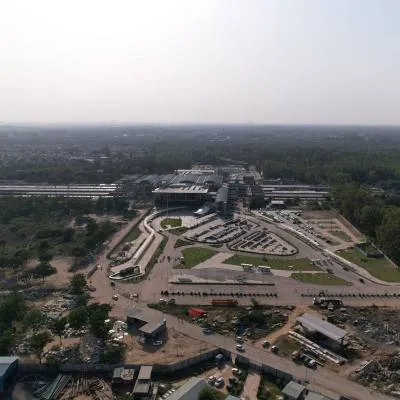
Pune Metro Line three will adopt a 750-volt DC third-rail electrification system as it nears commercial operation, bringing the technology to the 23-km corridor between Hinjawadi and Shivajinagar. The system represents a globally preferred power supply method for high-frequency urban transit services and will be deployed along the fully elevated alignment.

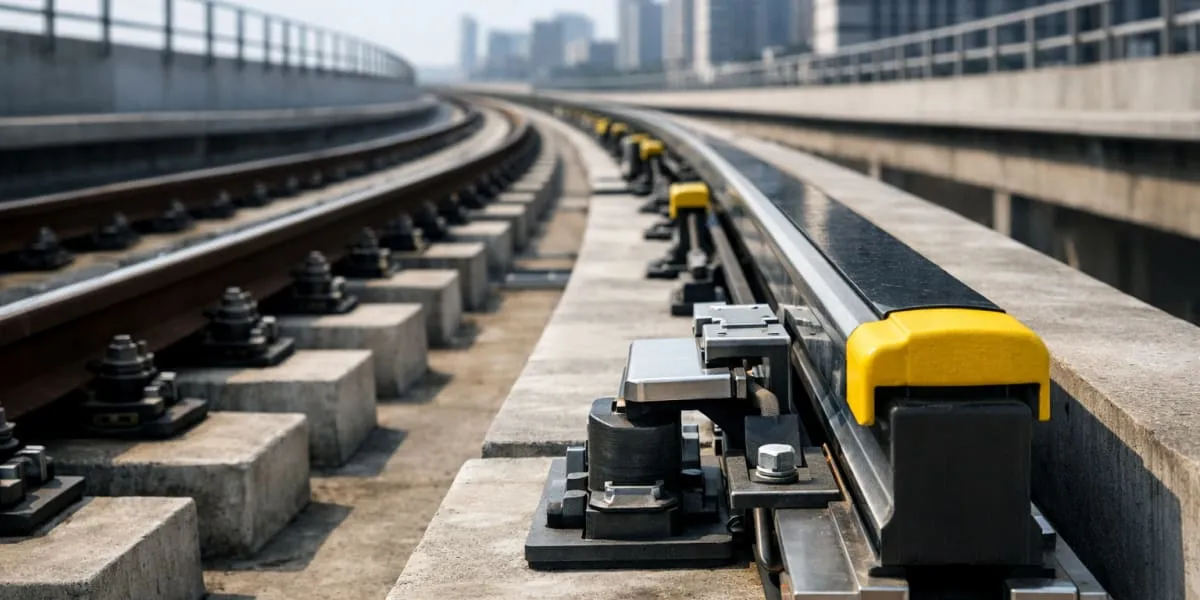
Third-rail electrification supplies power via an additional conductor rail set alongside the running tracks rather than using overhead wires and masts. Collector shoes mounted beneath trains draw electricity directly from the rail, removing the need for overhead equipment and reducing visual clutter in the urban skyline.

The third-rail solution is described as offering high reliability with a lower risk of power failures and service disruptions, alongside reduced maintenance compared with traditional overhead electrification. It is seen as particularly suited to densely populated metropolitan corridors that demand frequent services.

Commuters are expected to benefit from shorter waiting times, more dependable schedules and smoother journeys as operations become more frequent and resilient. For Line three, the absence of overhead wiring also contributes to a more streamlined and aesthetically integrated transport corridor across busy growth zones.

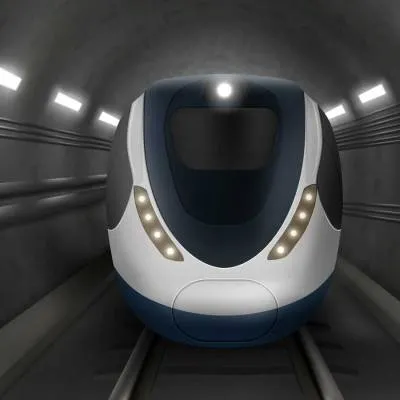
The electrification will be complemented by Communications-Based Train Control (CBTC), a digital signalling system that continuously exchanges data between trains and trackside equipment to determine location, speed and movement in real time. This integration will enable shorter service intervals, increased passenger capacity and provision for future upgrades including higher levels of automation.

Pune Metro Line three has completed end-to-end trial runs over the fully elevated corridor but commercial launch remains subject to statutory approvals and regulatory clearances. The line will be commissioned in phases, beginning with a 13.3-km section between Maan and R K Laxman Museum with 12 stations before extension to the District Court to link with the Maha Metro network. Once fully operational, the line is projected to reduce travel time between Shivajinagar and Hinjawadi to approximately 45 minutes from one and a half hours, cutting commute duration by over 50 per cent and reshaping urban mobility along the IT growth axis.

"Join industry leaders at RAHSTA Expo, India's premier platform for roads, highways and traffic infrastructure. Register now to explore innovations, network with experts and shape the future of mobility."

Pune Metro Line three will adopt a 750-volt DC third-rail electrification system as it nears commercial operation, bringing the technology to the 23-km corridor between Hinjawadi and Shivajinagar. The system represents a globally preferred power supply method for high-frequency urban transit services and will be deployed along the fully elevated alignment. Third-rail electrification supplies power via an additional conductor rail set alongside the running tracks rather than using overhead wires and masts. Collector shoes mounted beneath trains draw electricity directly from the rail, removing the need for overhead equipment and reducing visual clutter in the urban skyline. The third-rail solution is described as offering high reliability with a lower risk of power failures and service disruptions, alongside reduced maintenance compared with traditional overhead electrification. It is seen as particularly suited to densely populated metropolitan corridors that demand frequent services. Commuters are expected to benefit from shorter waiting times, more dependable schedules and smoother journeys as operations become more frequent and resilient. For Line three, the absence of overhead wiring also contributes to a more streamlined and aesthetically integrated transport corridor across busy growth zones. The electrification will be complemented by Communications-Based Train Control (CBTC), a digital signalling system that continuously exchanges data between trains and trackside equipment to determine location, speed and movement in real time. This integration will enable shorter service intervals, increased passenger capacity and provision for future upgrades including higher levels of automation. Pune Metro Line three has completed end-to-end trial runs over the fully elevated corridor but commercial launch remains subject to statutory approvals and regulatory clearances. The line will be commissioned in phases, beginning with a 13.3-km section between Maan and R K Laxman Museum with 12 stations before extension to the District Court to link with the Maha Metro network. Once fully operational, the line is projected to reduce travel time between Shivajinagar and Hinjawadi to approximately 45 minutes from one and a half hours, cutting commute duration by over 50 per cent and reshaping urban mobility along the IT growth axis.

Next Story
Real Estate

SNN Estates Expands North Bengaluru Housing Project

SNN Estates has announced an expansion of its SNN Estates Felicity residential project in North Bengaluru following strong buyer demand, with 75 per cent of the first-phase inventory sold within three days of launch.The developer will add 76 apartments in the new phase, taking the project's estimated revenue potential to around Rs 1,000 crore upon completion of Phase 2.Spread across 6.5 acres in Rachenahalli, near Manyata Tech Park, the project comprises 604 apartments in 1.5, 2, 2.5, 3 and 4 BHK configurations. The development includes a 50,000-sq-ft clubhouse with amenities such as sports co..

Next Story
Infrastructure Urban

SCG Drives ASEAN Industrial Transformation Strategy

SCG is strengthening its focus on ASEAN as a key growth region by advancing industrial transformation, enhancing competitiveness and building resilient regional value chains. Thammasak Sethaudom, President and Chief Executive Officer, SCG, highlighted the need for industries to continuously develop capabilities, strengthen resilience and deepen regional cooperation to achieve sustainable long-term growth.SCG views ASEAN as an important growth engine alongside China, supported by favourable demographics, trade connectivity and investment flows. With ASEAN’s GDP projected to grow by around 4.7..

Next Story
Products

EUROBOND Expands NABL Accreditation to 51 Testing Parameters

EUROBOND, the flagship brand of Euro Panel Products, has expanded the National Accreditation Board for Testing and Calibration Laboratories (NABL) accreditation of its in-house laboratory from 16 to 51 mechanical and chemical testing parameters, making it the only Indian aluminium composite panel (ACP) manufacturer with accreditation covering such an extensive testing scope.The expanded accreditation enables the company to independently test coils, coatings, cores, aluminium composite panels (ACP) and metal composite panels (MCP) in accordance with international standards, including IS, ASTM, ..

Advertisement

Subscribe to Our Newsletter

Get daily newsletters around different themes from Construction world.

STAY CONNECTED

Advertisement

Advertisement

Advertisement