Pune Metro To Run Every Five Minutes During Ganeshotsav Peak Hours
RAILWAYS & METRO RAIL

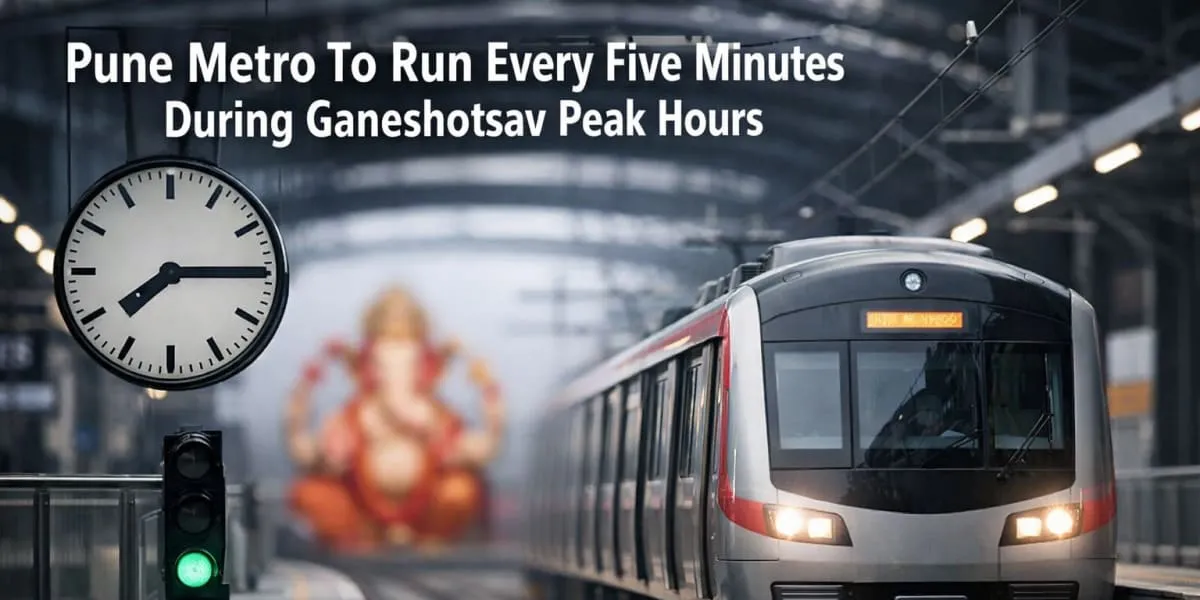
Pune Metro To Run Every Five Minutes During Ganeshotsav Peak Hours

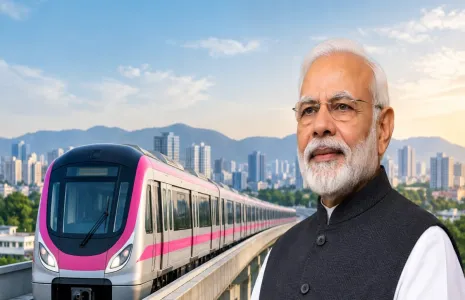
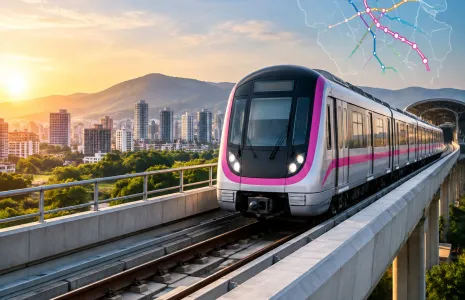
Pune Metro services will run at a five-minute frequency during peak hours for Ganeshotsav as Maha Metro has begun trial runs of the shorter interval. The agency has been conducting three-day trials of the five-minute frequency after operating at a six-minute interval. Operators are monitoring the trials and adjusting timetables as required. The change is intended to ease passenger movement during the festival rush.

Ridership on the system has risen sharply, with daily passengers reaching nearly 0.28 million (mn), prompting the adjustment. Maha Metro operates services on the Vanaz–Ramwadi and Pimpri Chinchwad–Swargate corridors, which together serve major commuter flows across the city. The city has been registering higher public transport use during festival periods. The authority expects the additional services to absorb the surge in demand associated with festival travel.

To handle the expected increase in passengers all 33 three-coach rakes in the fleet will be deployed, up from 30 rakes currently in regular service. Under the revised deployment 17 rakes will run on the Vanaz–Ramwadi route while 16 will be assigned to the Pimpri Chinchwad–Swargate corridor, allowing more trips in busy periods. At present the two corridors together operate 554 trips every day and the shorter intervals during peak hours will raise that number. That is expected to reduce waiting times and ease crowding at stations and inside trains and station staff will manage passenger flows to speed boarding and alighting.

During non-peak hours metro services will continue at a 10-minute frequency so that capacity matches demand outside busy periods. The managing director noted that rising ridership reflects strong public response to the service and that operational adjustments are being made accordingly. Passengers are advised to plan journeys and use alternate services where possible to avoid congestion. The revised schedule is expected to provide relief to passengers during Ganeshotsav and improve circulation across the network.

Pune Metro services will run at a five-minute frequency during peak hours for Ganeshotsav as Maha Metro has begun trial runs of the shorter interval. The agency has been conducting three-day trials of the five-minute frequency after operating at a six-minute interval. Operators are monitoring the trials and adjusting timetables as required. The change is intended to ease passenger movement during the festival rush. Ridership on the system has risen sharply, with daily passengers reaching nearly 0.28 million (mn), prompting the adjustment. Maha Metro operates services on the Vanaz–Ramwadi and Pimpri Chinchwad–Swargate corridors, which together serve major commuter flows across the city. The city has been registering higher public transport use during festival periods. The authority expects the additional services to absorb the surge in demand associated with festival travel. To handle the expected increase in passengers all 33 three-coach rakes in the fleet will be deployed, up from 30 rakes currently in regular service. Under the revised deployment 17 rakes will run on the Vanaz–Ramwadi route while 16 will be assigned to the Pimpri Chinchwad–Swargate corridor, allowing more trips in busy periods. At present the two corridors together operate 554 trips every day and the shorter intervals during peak hours will raise that number. That is expected to reduce waiting times and ease crowding at stations and inside trains and station staff will manage passenger flows to speed boarding and alighting. During non-peak hours metro services will continue at a 10-minute frequency so that capacity matches demand outside busy periods. The managing director noted that rising ridership reflects strong public response to the service and that operational adjustments are being made accordingly. Passengers are advised to plan journeys and use alternate services where possible to avoid congestion. The revised schedule is expected to provide relief to passengers during Ganeshotsav and improve circulation across the network.

Related Stories

Gold Stories

Next Story
Infrastructure Urban

Welspun One unveils Diwali campaign for World Trade Center Thane

Welspun One has unveiled A Dream Diwali, a festive brand film promoting World Trade Center Thane, its proposed mixed-use development in the Mumbai Metropolitan Region (MMR). The campaign uses individual interpretations of an ideal Diwali to introduce the experiences and offerings planned at the development.The film follows different characters as they share their festive wishes and go about activities such as shopping, meeting friends, playing games and spending time with family. Through these everyday moments, the campaign presents the idea that celebrations are personal and that different ge..
Next Story
Equipment

BorgWarner secures three turbocharger contracts with global powertrain leader

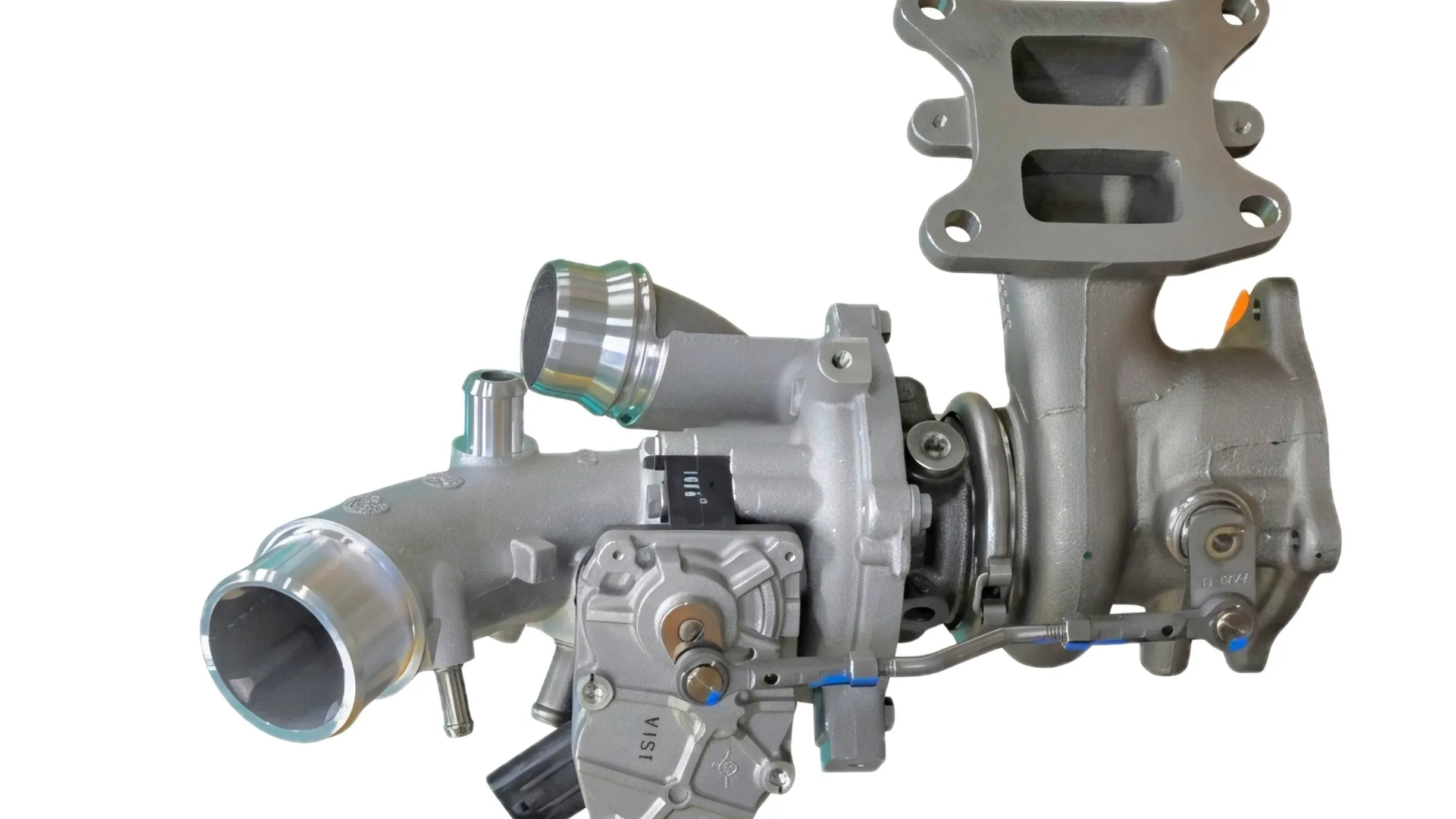
BorgWarner has secured three new turbocharger contracts with a global powertrain technology company. The wins comprise one contract for its variable turbine geometry (VTG) turbocharger and two for its wastegate turbocharger. The technologies will be deployed in the customer's light-vehicle gasoline platforms in South America and Europe, with production scheduled to begin in 2027.The VTG turbochargers are designed for gasoline engines operating under demanding conditions and high-boost pressure requirements. They are engineered to support Miller-cycle engines and withstand exhaust temperatures ..
Next Story
Infrastructure Transport

International Digi Yatra Trials Begin at Seven Airports

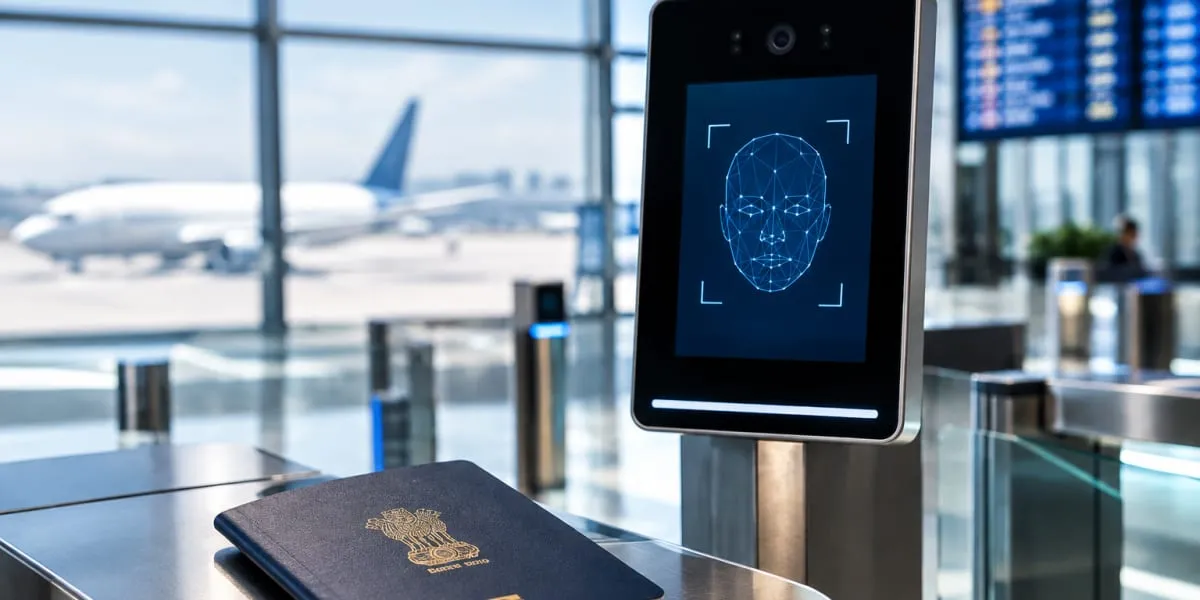
India has begun trials of Digi Yatra for international passengers at seven airports, allowing eligible Indian passport holders to use facial recognition at selected airport checkpoints. The facility is currently limited to Indian nationals with e-passports travelling on selected international flights operated by Air India and IndiGo. The Civil Aviation Ministry announced the trials on 1 November, with testing scheduled through December 2026. A wider rollout is expected in 2027 after the ministry assesses passenger feedback gathered during the trial period, according to PTI. The system is inten..

Advertisement

Subscribe to Our Newsletter

Get daily newsletters around different themes from Construction world.

STAY CONNECTED

Advertisement

SPECIAL OFFER
QR Code