Survey of 800 Structures Along Wadala-Gateway Metro Begins
RAILWAYS & METRO RAIL

Survey of 800 Structures Along Wadala-Gateway Metro Begins

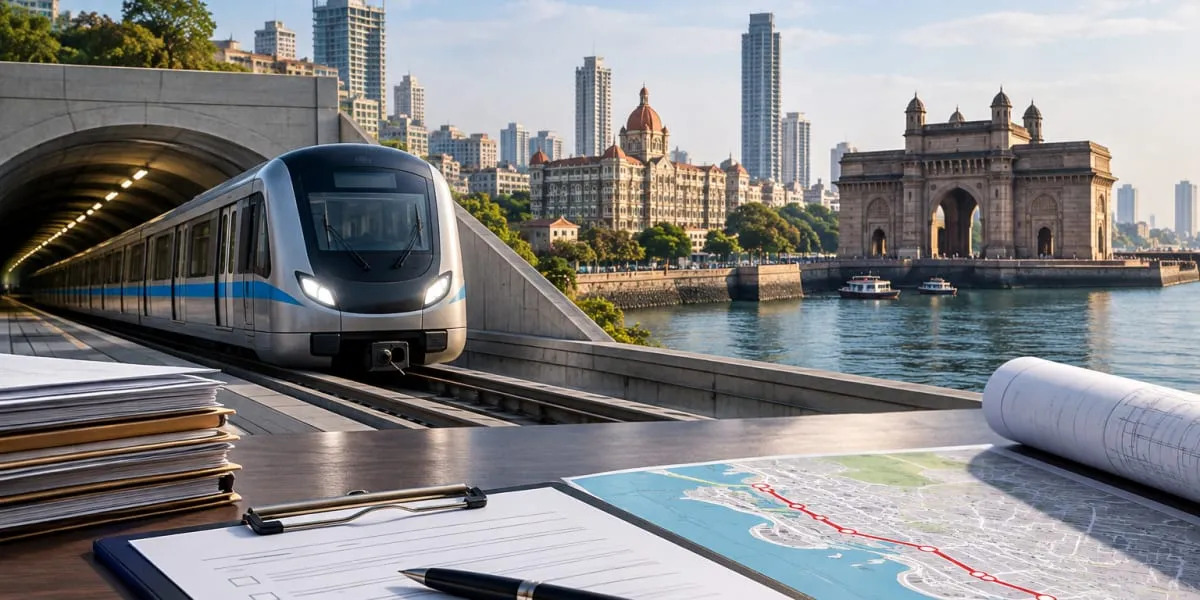
The Mumbai Metro Rail Corporation (MMRC) has begun a baseline socio-economic survey covering approximately 800 buildings and structures that could be affected by the planned 17.5-km underground Mumbai Metro Line 11 between Wadala and the Gateway of India. The corporation’s Rehabilitation and Resettlement Department issued a public notice on Monday regarding the exercise.

Property owners and occupants have been asked to cooperate with the survey team and provide relevant documents. These include Aadhaar cards, electricity and water bills, property tax receipts, property cards, rent receipts, rent agreements, ration cards, Index-II documents, occupancy certificates and business licences.

Socioquest Solutions, an agency appointed by the government, will conduct the survey on behalf of the metro corporation. Its representatives will take measurements and record photographs and videos to assess occupants’ socio-economic conditions and establish baseline information about the properties.

Owners and occupants have been asked to keep original documents and photocopies available for authorised representatives. Residents seeking further information have been directed to the MMRC Coordination Committee office near the Suburban Collector’s Office.

All 14 stations on the proposed corridor will be underground. The planned route includes Anik Depot, Wadala Depot, CGS Colony, Ganesh Nagar, BPT Hospital, Shivdi, Haji Bunder, Darukhana, Byculla, Nagpada Junction, Bhendi Bazaar, CSMT Metro, Horniman Circle and Gateway of India.

The project is receiving financial assistance from the Japan International Cooperation Agency (JICA), which has agreed to provide the Indian government with an official development assistance loan of 92.4 bn yen for the first phase up to Wadala. The corridor is estimated to cost Rs. 234.87 bn and is targeted for completion by August 2032. A 6.9-km extension to Bandra Railway Terminus via Dharavi was approved by the Maharashtra government in March, although feasibility and related studies remain incomplete.

The Mumbai Metro Rail Corporation (MMRC) has begun a baseline socio-economic survey covering approximately 800 buildings and structures that could be affected by the planned 17.5-km underground Mumbai Metro Line 11 between Wadala and the Gateway of India. The corporation’s Rehabilitation and Resettlement Department issued a public notice on Monday regarding the exercise. Property owners and occupants have been asked to cooperate with the survey team and provide relevant documents. These include Aadhaar cards, electricity and water bills, property tax receipts, property cards, rent receipts, rent agreements, ration cards, Index-II documents, occupancy certificates and business licences. Socioquest Solutions, an agency appointed by the government, will conduct the survey on behalf of the metro corporation. Its representatives will take measurements and record photographs and videos to assess occupants’ socio-economic conditions and establish baseline information about the properties. Owners and occupants have been asked to keep original documents and photocopies available for authorised representatives. Residents seeking further information have been directed to the MMRC Coordination Committee office near the Suburban Collector’s Office. All 14 stations on the proposed corridor will be underground. The planned route includes Anik Depot, Wadala Depot, CGS Colony, Ganesh Nagar, BPT Hospital, Shivdi, Haji Bunder, Darukhana, Byculla, Nagpada Junction, Bhendi Bazaar, CSMT Metro, Horniman Circle and Gateway of India. The project is receiving financial assistance from the Japan International Cooperation Agency (JICA), which has agreed to provide the Indian government with an official development assistance loan of 92.4 bn yen for the first phase up to Wadala. The corridor is estimated to cost Rs. 234.87 bn and is targeted for completion by August 2032. A 6.9-km extension to Bandra Railway Terminus via Dharavi was approved by the Maharashtra government in March, although feasibility and related studies remain incomplete.

Related Stories

Gold Stories

Next Story
Infrastructure Energy

JSW Motors Signs MoU with ARAI for Vehicle Development

JSW Motors, the passenger vehicle arm of JSW Group, has signed a memorandum of understanding (MoU) with the Automotive Research Association of India (ARAI) for technical collaboration on the design, validation and localisation of new energy vehicles (NEVs). The agreement is intended to create technical foundations for vehicles designed for Indian operating conditions. The companies will work on vehicle engineering and technical baselines, testing, validation and performance assessment, according to JSW Motors. Their programme will also cover advanced driver assistance systems (ADAS), battery s..

Next Story
Infrastructure Urban

Karnataka Offers Support for Toyota Expansion Plans

Karnataka Chief Minister D K Shivakumar assured Toyota Motor Corporation of the state government’s support for expanding its manufacturing operations during a meeting with the company’s senior leadership in Japan. The discussions covered higher production, new mobility solutions and further investment in Karnataka, as Toyota looks to increase vehicle production capacity to 1 mn in the near future. Shivakumar was accompanied by M B Patil, Karnataka’s Minister for Large and Medium Industries and Infrastructure Development. The Toyota delegation was led by Masakazu Yoshimura, the company’..
Next Story
Infrastructure Transport

Railways to Begin Bullet Train Trial on Surat-Bilimora Section

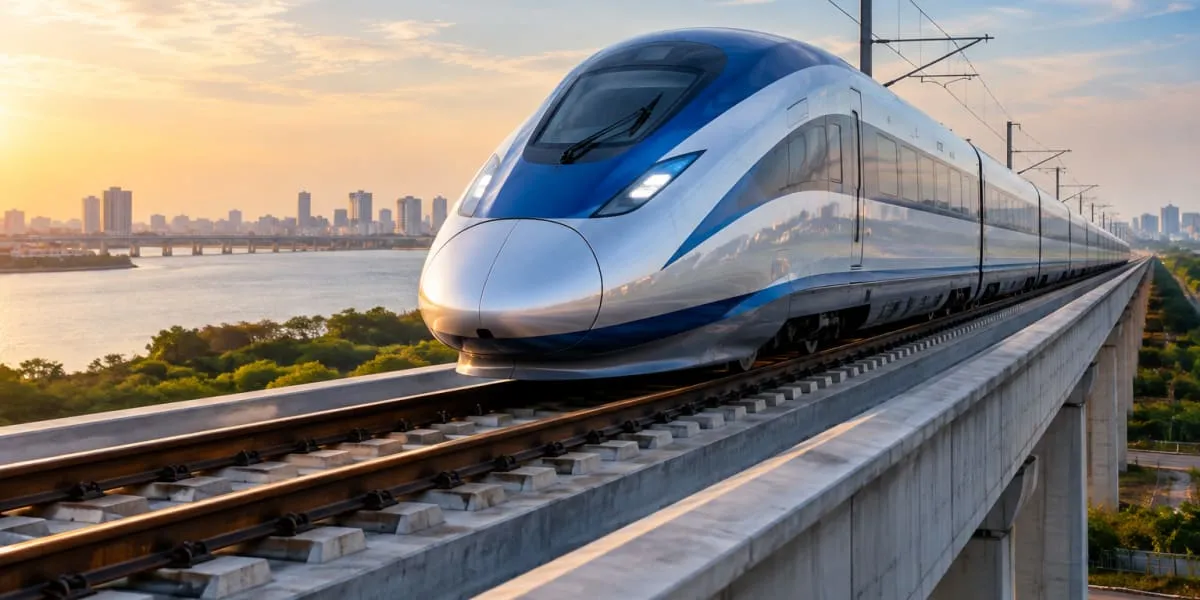
Indian Railways will begin a trial run of its bullet train service on the 50 km Surat-Bilimora section by May 2027. The section is part of the Mumbai-Ahmedabad high-speed rail corridor and is expected to provide the first operational segment of the project. The trial will use an indigenous trainset capable of travelling at 280 km per hour. Railway Ministry sources said the first section of the corridor, extending from Surat to Vapi, is scheduled to become operational by the end of 2027. The planned trial marks a step towards introducing high-speed rail services on the corridor, which connects ..

Subscribe to Our Newsletter

Get daily newsletters around different themes from Construction world.

STAY CONNECTED

Advertisement

SPECIAL OFFER
QR Code