Kamarajar Port Locks 2027 Timeline For Second Container Terminal
PORTS & SHIPPING

Kamarajar Port Locks 2027 Timeline For Second Container Terminal

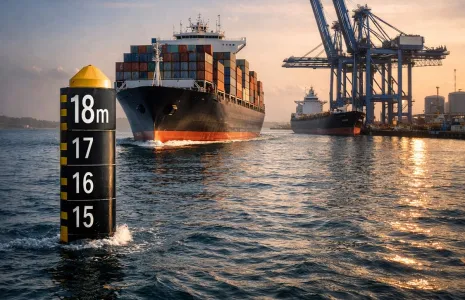
The Chennai Port Authority has outlined a major infrastructure push at Kamarajar Port with a 2027 timeline for the second container terminal development. The 25-year-old port now has a cargo handling capacity of 58.44 million metric tonnes (mn t) and nine operational berths, according to CPA data. The port recorded its highest-ever throughput of 48.41 mn t in fiscal 2024-25, underscoring growing traffic. Officials said the expansion forms part of a broader plan to strengthen Chennai's maritime logistics.

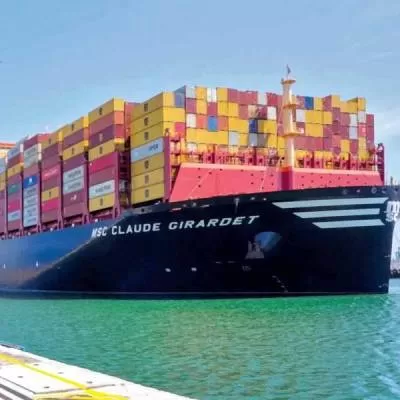
Currently the port's only common-use container terminal can handle one mothership at a time, limiting capacity. The planned second terminal will develop two berths that will initially enable handling of two motherships and later support four simultaneously, a configuration intended to reduce congestion. Improved berth availability is expected to accelerate cargo turnaround times and raise handling efficiency across the terminal. This is projected to benefit containerised trade and hinterland logistics.

In parallel the port has reported increased volumes in dry bulk commodities such as coal, limestone, gypsum and barytes, prompting rapid planning for bulk facilities. In April 2026 the authority invited expressions of interest for the development of two bulk cargo berths under a public-private partnership. Each berth will measure 425 metres in length and 30 metres in width to create a dedicated bulk terminal. The facility will be designed to accommodate capesize bulk carriers of up to 180,000 deadweight tonnes (t).

The development under PPP aims to leverage private investment to augment cargo handling and infrastructure at the Ennore-based port. Contractual timelines indicate mobilisation and construction activities will align with the 2027 operational target for the container terminal. Stakeholders expect the combined container and bulk enhancements to strengthen the port's competitive position on the east coast and support regional industrial growth. The authority will proceed to finalise technical specifications and commercial terms before awarding contracts.

The Chennai Port Authority has outlined a major infrastructure push at Kamarajar Port with a 2027 timeline for the second container terminal development. The 25-year-old port now has a cargo handling capacity of 58.44 million metric tonnes (mn t) and nine operational berths, according to CPA data. The port recorded its highest-ever throughput of 48.41 mn t in fiscal 2024-25, underscoring growing traffic. Officials said the expansion forms part of a broader plan to strengthen Chennai's maritime logistics. Currently the port's only common-use container terminal can handle one mothership at a time, limiting capacity. The planned second terminal will develop two berths that will initially enable handling of two motherships and later support four simultaneously, a configuration intended to reduce congestion. Improved berth availability is expected to accelerate cargo turnaround times and raise handling efficiency across the terminal. This is projected to benefit containerised trade and hinterland logistics. In parallel the port has reported increased volumes in dry bulk commodities such as coal, limestone, gypsum and barytes, prompting rapid planning for bulk facilities. In April 2026 the authority invited expressions of interest for the development of two bulk cargo berths under a public-private partnership. Each berth will measure 425 metres in length and 30 metres in width to create a dedicated bulk terminal. The facility will be designed to accommodate capesize bulk carriers of up to 180,000 deadweight tonnes (t). The development under PPP aims to leverage private investment to augment cargo handling and infrastructure at the Ennore-based port. Contractual timelines indicate mobilisation and construction activities will align with the 2027 operational target for the container terminal. Stakeholders expect the combined container and bulk enhancements to strengthen the port's competitive position on the east coast and support regional industrial growth. The authority will proceed to finalise technical specifications and commercial terms before awarding contracts.

Next Story
Infrastructure Urban

Meghalaya Launches Rs 1.75 Billion Mission for Lakadong Turmeric

Meghalaya has launched Mission Golden Spice: Integrated Lakadong Turmeric Value Chain Enhancement Project, marking a major step towards establishing the state as a global centre for premium, organic and GI-tagged Lakadong turmeric.Launched at Sanchar Bhavan in New Delhi, the initiative aims to transform Meghalaya’s agricultural sector by moving farmers from traditional commodity production towards a value-driven, entrepreneurship-led ecosystem. Through a Community-Public-Private Partnership (CPPP) model, the project focuses on strengthening processing capabilities, improving market access an..

Next Story
Infrastructure Urban

Staunch Electronics Expands EMS Capabilities Amid India’s Manufacturing Growth

Staunch Electronics India, an Electronics Manufacturing Services (EMS), Original Equipment Manufacturer (OEM), and Original Design Manufacturer (ODM), is strengthening its presence in India’s growing electronics manufacturing ecosystem through its focus on manufacturing excellence, innovation, and customer-centric partnerships.Founded in 2014, Staunch Electronics India has built over a decade of manufacturing expertise, providing electronic manufacturing solutions across multiple industries. The company offers integrated EMS, OEM, and ODM services covering product engineering, design support..

Next Story
Infrastructure Energy

Dreamfly plans 200 MWh drone battery facility

Dreamfly Innovations has announced plans to establish a 40,000 sq ft aviation battery manufacturing facility in North Bengaluru with an initial annual capacity of 100 MWh, scalable to 200 MWh.The facility will produce advanced batteries for defence, surveillance, inspection, agricultural spraying, logistics and emerging air mobility platforms such as air taxis. The company said the project would strengthen India’s domestic drone supply chain by expanding local production of a critical unmanned aerial system component.Dreamfly currently reports indigenous content of 77% in its products. The c..

Advertisement

Subscribe to Our Newsletter

Get daily newsletters around different themes from Construction world.

STAY CONNECTED

Advertisement

Advertisement

Advertisement