Kamarajar Port Becomes India's Second Major Port to Offer 18-Metre Draft
PORTS & SHIPPING

Kamarajar Port Becomes India's Second Major Port to Offer 18-Metre Draft

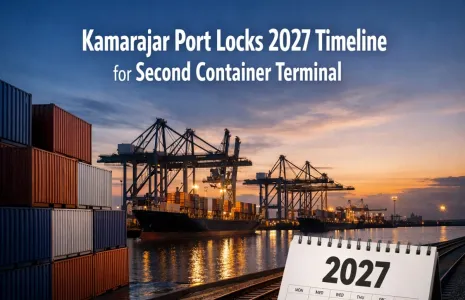
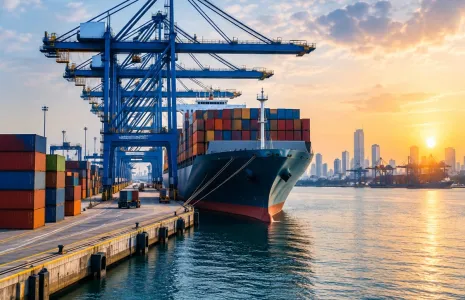
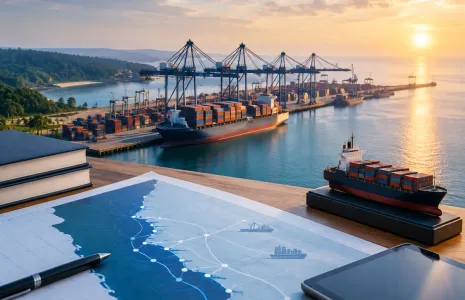
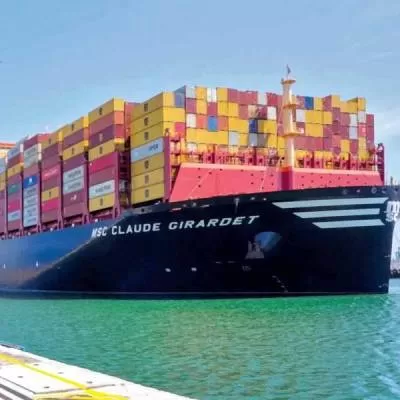
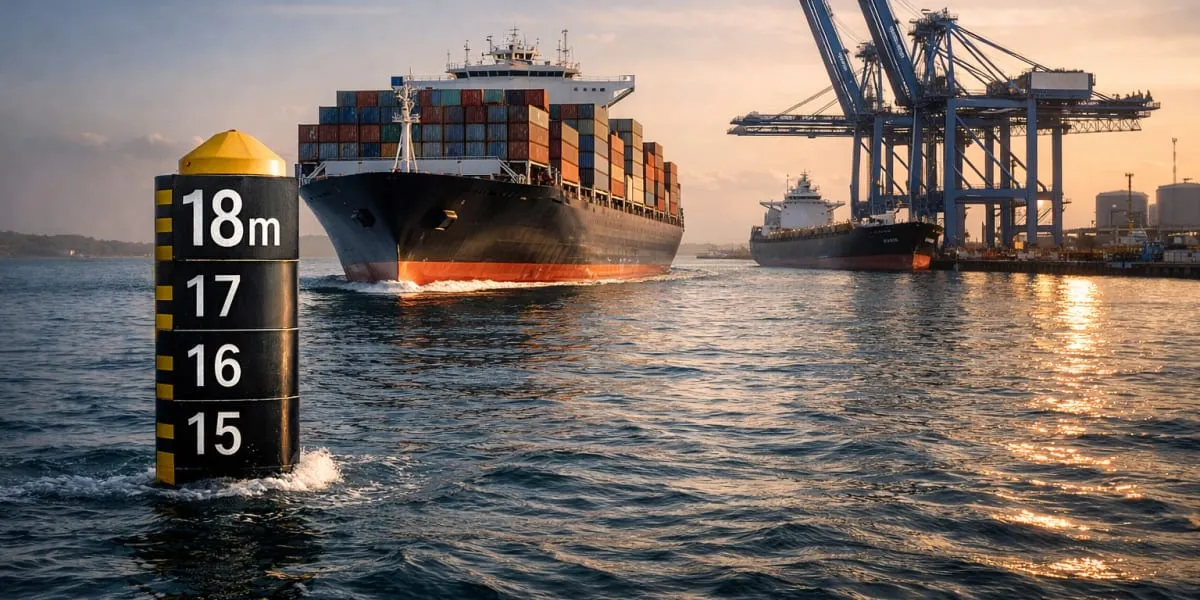
Kamarajar Port has become India's second major port to offer an 18-metre draft, following completion of deepening works that enable access for larger vessels. The development is expected to allow direct calls by larger container ships and tankers, reducing the need for transhipment and improving supply chain efficiency. Port authorities said navigational channels and berths were upgraded to handle deeper draft vessels and increased traffic.

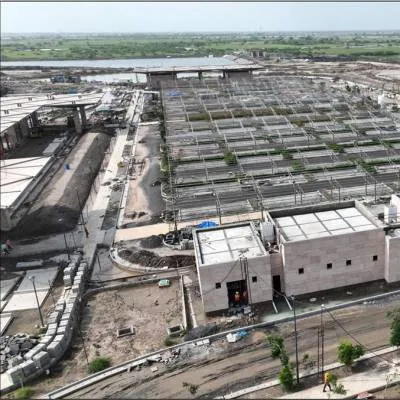
The upgrade included capital dredging, reinforcement of berth structures and installation of modern navigational aids to support safe operations at the deeper draft. Terminal handling facilities have been prepared to manage heavier lifts and larger vessel calls, while harbour masters have revised procedures to accommodate the new regime. Operators will need to align schedules and pilotage services to the revised depth limits.

Stakeholders expect the move to strengthen the port's position in regional trade corridors and to attract direct services that previously called at foreign transhipment hubs. The deeper draft will be particularly useful for bulk liquid cargo, crude and large container services, allowing higher cargo intake per vessel and lowering per unit handling costs. Local logistics providers anticipate incremental demand for storage, inland transport and value added services.

The upgrade aligns with broader national efforts to enhance port capacity and reduce freight costs for exporters and importers, supporting competitiveness across sectors. Shipping lines are assessing deployment options while authorities commit to maintenance dredging and monitoring to preserve depth. Officials indicated further phases of development will focus on connectivity improvements and terminal optimisation to sustain growth.

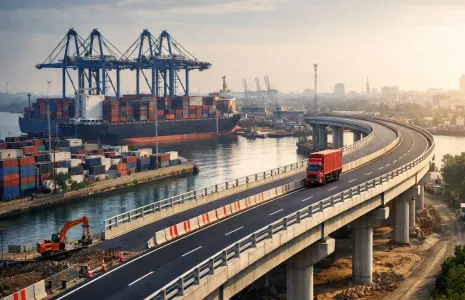
Port management indicated routine maintenance and environmental monitoring will accompany operations to ensure navigational safety and ecological compliance. Collaborations with rail and road agencies are planned to improve hinterland connectivity and ease cargo movement inland. Market participants said the deeper draft will gradually translate into more competitive sailing options for trade routes.

"Join industry leaders at RAHSTA Expo, India's premier platform for roads, highways and traffic infrastructure. Register now to explore innovations, network with experts and shape the future of mobility."

Kamarajar Port has become India's second major port to offer an 18-metre draft, following completion of deepening works that enable access for larger vessels. The development is expected to allow direct calls by larger container ships and tankers, reducing the need for transhipment and improving supply chain efficiency. Port authorities said navigational channels and berths were upgraded to handle deeper draft vessels and increased traffic. The upgrade included capital dredging, reinforcement of berth structures and installation of modern navigational aids to support safe operations at the deeper draft. Terminal handling facilities have been prepared to manage heavier lifts and larger vessel calls, while harbour masters have revised procedures to accommodate the new regime. Operators will need to align schedules and pilotage services to the revised depth limits. Stakeholders expect the move to strengthen the port's position in regional trade corridors and to attract direct services that previously called at foreign transhipment hubs. The deeper draft will be particularly useful for bulk liquid cargo, crude and large container services, allowing higher cargo intake per vessel and lowering per unit handling costs. Local logistics providers anticipate incremental demand for storage, inland transport and value added services. The upgrade aligns with broader national efforts to enhance port capacity and reduce freight costs for exporters and importers, supporting competitiveness across sectors. Shipping lines are assessing deployment options while authorities commit to maintenance dredging and monitoring to preserve depth. Officials indicated further phases of development will focus on connectivity improvements and terminal optimisation to sustain growth. Port management indicated routine maintenance and environmental monitoring will accompany operations to ensure navigational safety and ecological compliance. Collaborations with rail and road agencies are planned to improve hinterland connectivity and ease cargo movement inland. Market participants said the deeper draft will gradually translate into more competitive sailing options for trade routes.

Next Story
Infrastructure Transport

Bhogapuram Airport Set For Take Off After Licence Issued

Union Civil Aviation Minister Kinjarapu Ram Mohan Naidu announced that Alluri Sitharama Raju Bhogapuram International Airport has achieved 100 per cent completion following issuance of its aerodrome licence by the Ministry of Civil Aviation after an inspection with public representatives, district officials and GMR Group representatives. The licence was granted after extensive verification over the past month to ensure that safety and operational standards were met. The Chief Minister's Office has already contacted the Prime Minister's Office to finalise an inauguration date and commercial fli..

Next Story
Infrastructure Urban

Auto Sector To Grow 22-24 Per Cent In Q1 FY27

Credit Rating Information Services of India (Crisil) estimated that India's automobile sector is expected to report revenue growth of 22-24 per cent year-on-year in the first quarter of FY27 and to be among the largest contributors to corporate revenue growth in the quarter. The agency estimated overall corporate revenue to have grown 11-11.5 per cent year-on-year in the quarter ended 30 June 2026, the fastest pace in two years despite supply chain disruptions and higher input costs from the West Asia conflict. This compared with growth of 9.6 per cent in the preceding quarter. Crisil said the..

Next Story
Infrastructure Urban

Nomura Sees Q1 Pressure On Cement Margins; Backs Major Players

Nomura said cement margins will be under pressure in the June quarter as fuel and packaging costs rose, although volume growth is expected to remain healthy. The brokerage forecast six to seven per cent year-on-year organic volume growth for the Indian cement industry in the period, with Shree Cement identified as likely to post the highest growth at 15 per cent year-on-year. It noted that the West and North regions outperformed on pricing, aiding companies with greater exposure in those markets. Average trade prices improved three per cent sequentially to around Rs 326 per bag after price inc..

Advertisement

Subscribe to Our Newsletter

Get daily newsletters around different themes from Construction world.

STAY CONNECTED

Advertisement

Advertisement

Advertisement