Maha govt sets up climate change panel as Mumbai faces sinking threat
SMART CITIES

Maha govt sets up climate change panel as Mumbai faces sinking threat

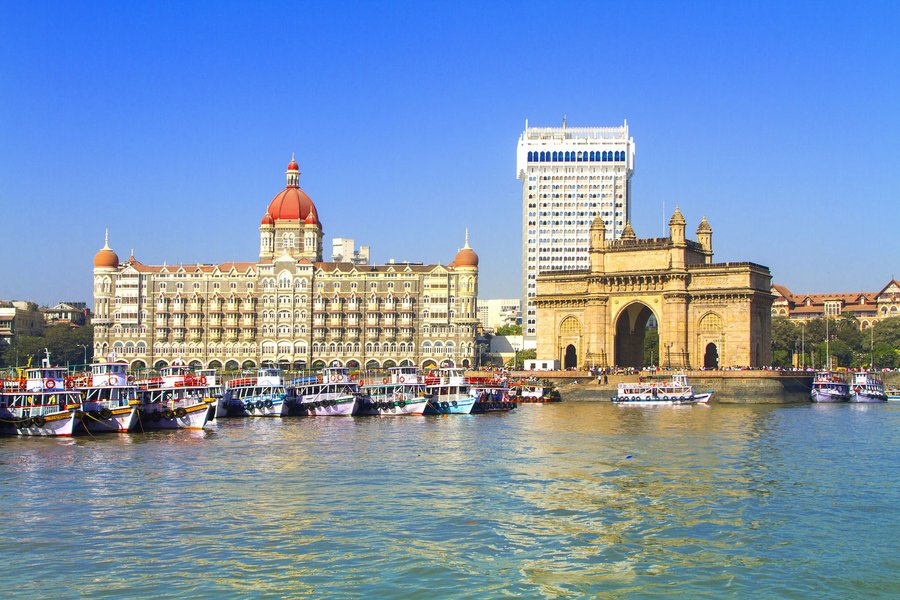
The Maharashtra cabinet was presented with the Intergovernmental Panel on Climate Change's global warming report on Wednesday, with a focus on Maharashtra and its coastal belt, particularly Mumbai.

While making the presentation, the environment department emphasised that if temperatures rise by 2 to 2.5 degree celsius as a result of climate change, the city and state will be among the worst-affected places on the planet.

The department warned that if business as usual continues, Mumbai and other coastal areas will be flooded, and central Maharashtra will face severe drought. Forests, instead of acting as carbon sinks, will burn due to fires, according to the report.

The presentation also warned that wet bulb temperature read by a thermometer covered in water-soaked cloth over which air is passed could be disastrous for Mumbai.

When humidity is at 100% and water does not provide any cooling, a wet-bulb temperature reaches the surrounding temperature, resulting in heatstroke in living beings. This can result in a large number of deaths, compared to those caused by earthquakes or epidemics.

The impact of climate change was already being felt locally, according to the presentation, as Mumbai and its surrounding areas were hit by two cyclones in quick succession Nisarga in 2020 and Tauktae in 2021. Landslides are becoming more common as a result of heavy rain.

The department cited the government's efforts to slow global warming, citing the conservation of Aarey forest and the restoration of mangroves as examples of steps taken to protect and create carbon sinks.

Energy (50%), industry and transportation (15% each), agriculture, and urbanisation are the five sectors identified as major contributors to the carbon footprint (10% each).

Principal Secretary of Environment Manisha Mhaiskar told the media that the minister in charge of the relevant department will oversee the development of a plan and provide details on funding allocation for implementation. After that, the plan will be presented to the council.

Image Source

The Maharashtra cabinet was presented with the Intergovernmental Panel on Climate Change's global warming report on Wednesday, with a focus on Maharashtra and its coastal belt, particularly Mumbai. While making the presentation, the environment department emphasised that if temperatures rise by 2 to 2.5 degree celsius as a result of climate change, the city and state will be among the worst-affected places on the planet. The department warned that if business as usual continues, Mumbai and other coastal areas will be flooded, and central Maharashtra will face severe drought. Forests, instead of acting as carbon sinks, will burn due to fires, according to the report. The presentation also warned that wet bulb temperature read by a thermometer covered in water-soaked cloth over which air is passed could be disastrous for Mumbai. When humidity is at 100% and water does not provide any cooling, a wet-bulb temperature reaches the surrounding temperature, resulting in heatstroke in living beings. This can result in a large number of deaths, compared to those caused by earthquakes or epidemics. The impact of climate change was already being felt locally, according to the presentation, as Mumbai and its surrounding areas were hit by two cyclones in quick succession Nisarga in 2020 and Tauktae in 2021. Landslides are becoming more common as a result of heavy rain. The department cited the government's efforts to slow global warming, citing the conservation of Aarey forest and the restoration of mangroves as examples of steps taken to protect and create carbon sinks. Energy (50%), industry and transportation (15% each), agriculture, and urbanisation are the five sectors identified as major contributors to the carbon footprint (10% each). Principal Secretary of Environment Manisha Mhaiskar told the media that the minister in charge of the relevant department will oversee the development of a plan and provide details on funding allocation for implementation. After that, the plan will be presented to the council. Image Source

Next Story
Real Estate

RBI Rate Cut Boosts Confidence Across Housing Market

Industry Context and Market DynamicsThe real estate industry has welcomed the RBI’s rate cut as a timely boost to affordability and demand. With home prices having risen steadily across major markets, even a marginal reduction in interest rates meaningfully strengthens purchasing power, especially for first-time and mid-income buyers.Ashish Jerath, President – Sales & Marketing, Smartworld Developers, observes:“The RBI’s 25-basis-point cut, bringing the repo rate down to 5.25%, is a timely boost for the real estate sector. Lower interest rates reduce borrowing costs, enabling homeb..

Next Story
Infrastructure Transport

BMC Resumes Rs 170 Billion Road Works, Targets 80 per cent By Jan 2026

Following the withdrawal of the southwest monsoon in October, the Brihanmumbai Municipal Corporation (BMC) has restarted work on 645 roads—covering 297.49 kilometres—under its large-scale concretisation programme. Data shows that more than 60 per cent of the resumed works are located in the western suburbs. Officials said the civic body aims to complete concretisation on 80 per cent of the roads where fresh work has begun by January 2026. Launched in 2022, the Rs 170 billion project seeks to concretise 700 kilometres of roads across Mumbai. All civil works were halted during the monsoon ..

Next Story
Infrastructure Urban

India Pushes Digital Shift In Urban Land Mapping

The Department of Land Resources (DoLR) under the Ministry of Rural Development has convened a National Symposium on NAKSHA – the National Geospatial Knowledge-based Land Survey of Urban Habitations – to advance India’s transition to modern, technology-driven land mapping. Speaking at the inaugural session, Secretary Manoj Joshi underscored the urgent need to move revenue departments away from outdated, tape-based methods and rough hand-drawn sketches. He stressed that adopting latitude–longitude-based digital mapping and GIS-linked registration systems is essential for economic stabi..

Advertisement

Subscribe to Our Newsletter

Get daily newsletters around different themes from Construction world.

STAY CONNECTED

Advertisement

Advertisement

Advertisement

Advertisement

Open In App