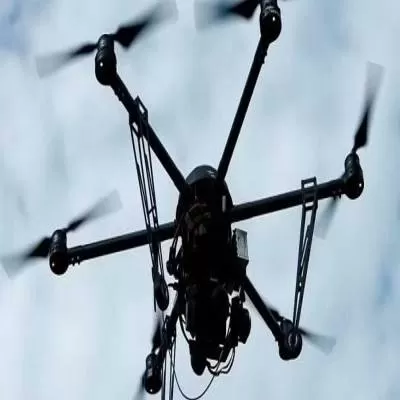


Drone Usage in India Set to Rise 55%
WAREHOUSING & LOGISTICS

Drone Usage in India Set to Rise 55%

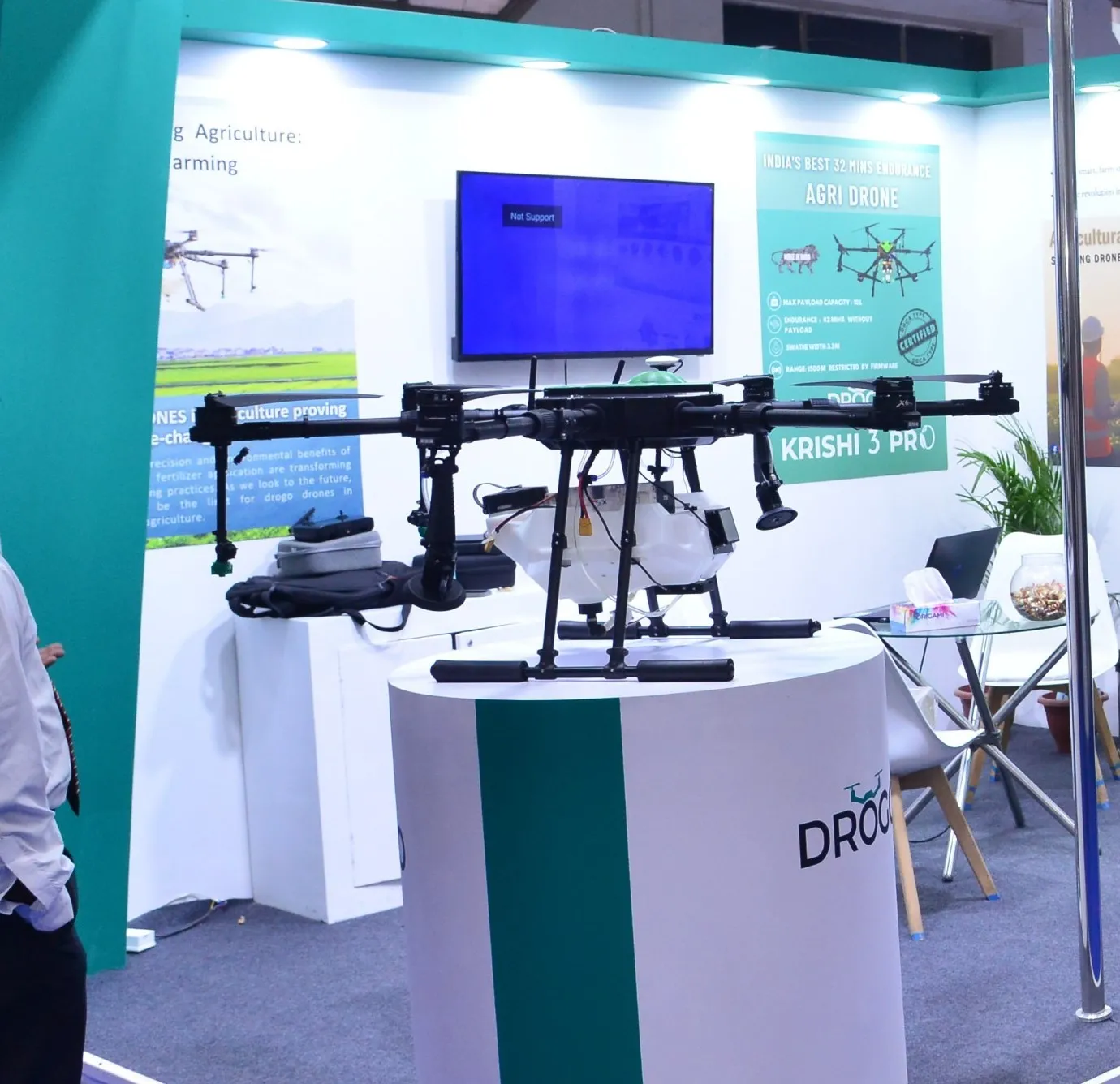
India is expected to witness a 55% surge in drone deployment across logistics, homeland security and clean technology over the next three years, according to a survey by Nexgen Exhibitions.

The survey said drones are becoming increasingly important for next-generation supply chains, sustainable business operations and national security applications.

India’s commercial UAV market is projected to grow at a CAGR of 18-20%, rising from US$ 84 million in 2021 to nearly US$ 530 million by 2031. The consumer drone segment alone represents an estimated US$ 500-700 million market opportunity.

The survey was conducted among 1,000 professionals, including logistics experts, clean tech innovators, homeland security leaders, policymakers and technology providers across Delhi, Mumbai, Chennai, Bengaluru and Pune.

Sangeeta Bansal, Managing Director, Nexgen Exhibitions, said the expected 55% rise in drone deployment reflects India’s readiness to adopt advanced technology across logistics, homeland security and sustainability. She said drones are becoming central to supply chain management, clean tech innovation and security infrastructure.

She added that regulatory clarity, skill development and strong industry partnerships will be essential to fully unlock the sector’s potential.

The survey found that 38% of respondents cited the combined demands of security and logistics as the main driver for drone adoption. Another 27% pointed to the need for faster and more sustainable logistics solutions.

More than half of the respondents, at 54%, said current industry trends will further accelerate drone adoption for logistics, homeland security and clean technology applications in India. Technological advancements were highlighted by 21% of respondents, while 40% cited supportive government policies.

Clean tech use cases such as emission reduction, energy efficiency and eco-friendly deliveries are emerging as priority areas. Drones for border surveillance and critical homeland security operations are also gaining traction.

However, the findings also highlight key challenges. Regulatory restrictions were cited as the biggest obstacle by 33% of respondents, followed by high operational costs at 26%, shortage of trained personnel at 21%, and privacy and safety concerns at 15%.

Despite these barriers, industry optimism remains strong. Around 42% of stakeholders said increased drone usage will significantly improve India’s logistics, homeland security and clean tech infrastructure over the next three years.

The 7th Drone International Expo and 11th International Police Expo are scheduled to be held from June 24 to 25, 2026, at Bharat Mandapam in New Delhi. Organised by Nexgen Exhibitions, the events will bring together more than 200 companies from over 25 countries.

The expos will cover logistics, clean technology, homeland security, policing, forensics, arms and ammunition, counter-drone systems, surveillance, cybersecurity and defence technology.

The events are expected to provide a platform for industry-government engagement, global collaboration and the showcase of drone-led innovations for India’s logistics, homeland security and clean technology sectors.

India is expected to witness a 55% surge in drone deployment across logistics, homeland security and clean technology over the next three years, according to a survey by Nexgen Exhibitions.The survey said drones are becoming increasingly important for next-generation supply chains, sustainable business operations and national security applications.India’s commercial UAV market is projected to grow at a CAGR of 18-20%, rising from US$ 84 million in 2021 to nearly US$ 530 million by 2031. The consumer drone segment alone represents an estimated US$ 500-700 million market opportunity.The survey was conducted among 1,000 professionals, including logistics experts, clean tech innovators, homeland security leaders, policymakers and technology providers across Delhi, Mumbai, Chennai, Bengaluru and Pune.Sangeeta Bansal, Managing Director, Nexgen Exhibitions, said the expected 55% rise in drone deployment reflects India’s readiness to adopt advanced technology across logistics, homeland security and sustainability. She said drones are becoming central to supply chain management, clean tech innovation and security infrastructure.She added that regulatory clarity, skill development and strong industry partnerships will be essential to fully unlock the sector’s potential.The survey found that 38% of respondents cited the combined demands of security and logistics as the main driver for drone adoption. Another 27% pointed to the need for faster and more sustainable logistics solutions.More than half of the respondents, at 54%, said current industry trends will further accelerate drone adoption for logistics, homeland security and clean technology applications in India. Technological advancements were highlighted by 21% of respondents, while 40% cited supportive government policies.Clean tech use cases such as emission reduction, energy efficiency and eco-friendly deliveries are emerging as priority areas. Drones for border surveillance and critical homeland security operations are also gaining traction.However, the findings also highlight key challenges. Regulatory restrictions were cited as the biggest obstacle by 33% of respondents, followed by high operational costs at 26%, shortage of trained personnel at 21%, and privacy and safety concerns at 15%.Despite these barriers, industry optimism remains strong. Around 42% of stakeholders said increased drone usage will significantly improve India’s logistics, homeland security and clean tech infrastructure over the next three years.The 7th Drone International Expo and 11th International Police Expo are scheduled to be held from June 24 to 25, 2026, at Bharat Mandapam in New Delhi. Organised by Nexgen Exhibitions, the events will bring together more than 200 companies from over 25 countries.The expos will cover logistics, clean technology, homeland security, policing, forensics, arms and ammunition, counter-drone systems, surveillance, cybersecurity and defence technology.The events are expected to provide a platform for industry-government engagement, global collaboration and the showcase of drone-led innovations for India’s logistics, homeland security and clean technology sectors.

Related Stories

Gold Stories
Next Story
Infrastructure Urban

EMO Energy and e-Sprinto to Deploy 8,000 Electric Scooters

EMO Energy has announced a partnership with electric two-wheeler maker e-Sprinto to deploy 8,000 electric scooters across India this financial year. The rollout will include both low-speed and high-speed models and will be phased across several cities. The scooters will be aimed at quick-commerce and last-mile delivery operations where uptime and energy efficiency are prioritised. EMO Energy said the scooters will use its patented ZenPac liquid-cooled battery platform with active thermal management, battery intelligence and energy optimisation to improve reliability and performance. ZenPac con..

Next Story
Infrastructure Energy

Octillion Opens Third EV Battery Plant in India

Octillion Power Systems has opened its third manufacturing facility in Halol, Gujarat, adding production capacity as demand for electric vehicle battery systems grows across passenger, commercial and public transport segments. The facility covers more than 13,000 square metres and was converted from an empty structure into an operational battery manufacturing plant in less than eight months. At full capacity the Gujarat plant will manufacture more than 48,000 battery systems annually, representing over three GWh of energy storage capacity. With the addition of the Halol facility Octillion's co..

Next Story
Real Estate

Land Reforms Could Unlock Urban Affordable Housing

Former cabinet secretary and NITI Aayog member Rajeev Gauba said India’s urban housing shortage could be tackled by unlocking 10 million (mn) vacant homes and using excess unutilised land held by public sector undertakings (PSUs). He said land availability lay at the heart of the problem and estimated that land accounted for as much as 50 to 70 per cent of total project cost. He urged states to waive land?use change fees and exempt stamp duty on land and transactions linked to affordable housing. He noted that urban population was projected to rise from 500 million to nearly 900 million by 2..

Advertisement

Subscribe to Our Newsletter

Get daily newsletters around different themes from Construction world.

STAY CONNECTED

Advertisement