Sagarmala Programme Accelerates Port Modernisation
WAREHOUSING & LOGISTICS

Sagarmala Programme Accelerates Port Modernisation

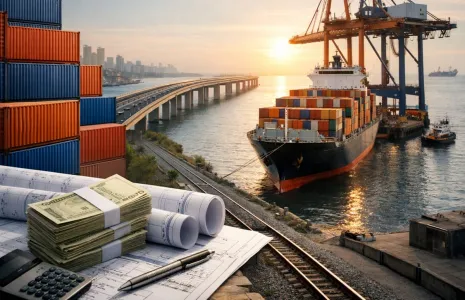
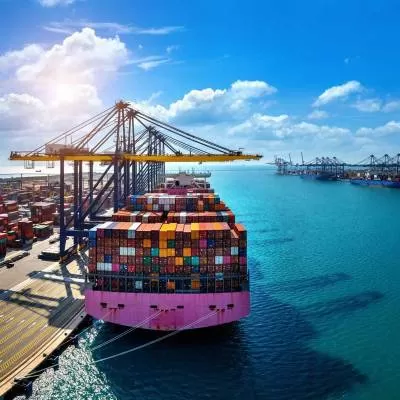
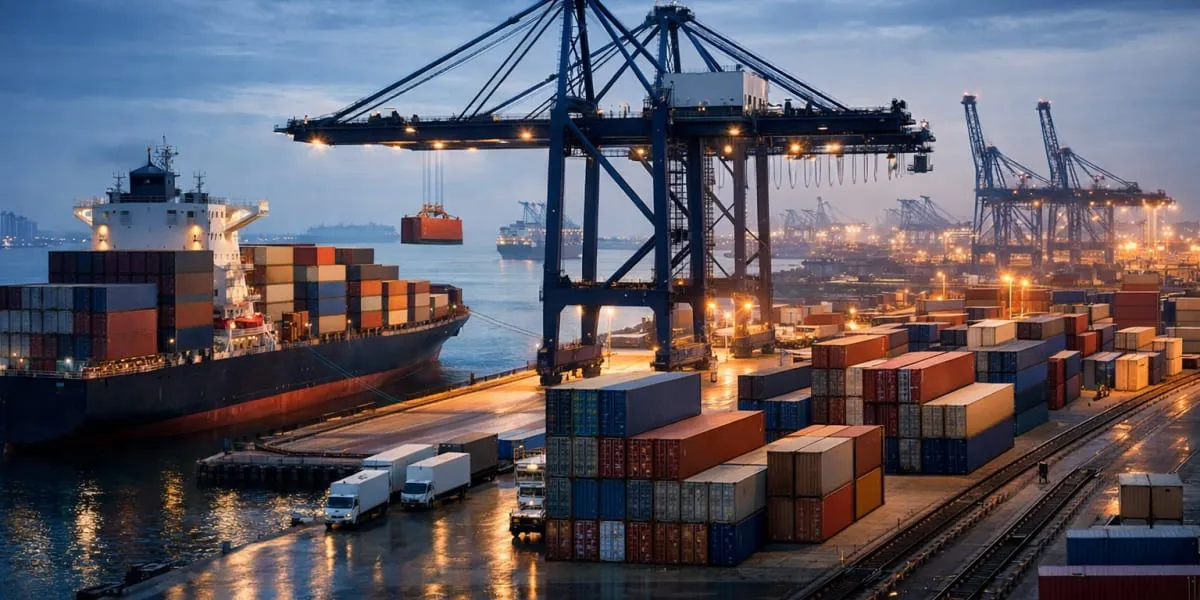
The Centre's Sagarmala programme is advancing as a central element of India's infrastructure and trade strategy, directing major investments into port modernisation, multimodal connectivity and logistics to reduce supply chain costs and raise export competitiveness. The programme is expected to support manufacturing, attract private investment and position India as a global maritime and export hub. Government emphasis on port-led development reflects rising merchandise exports and container traffic, increasing demand for efficient logistics.

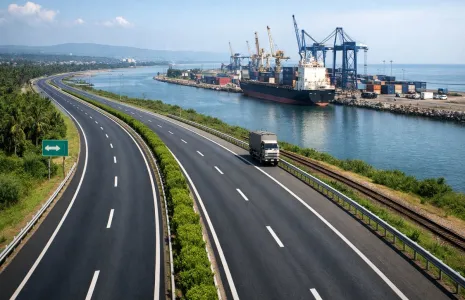
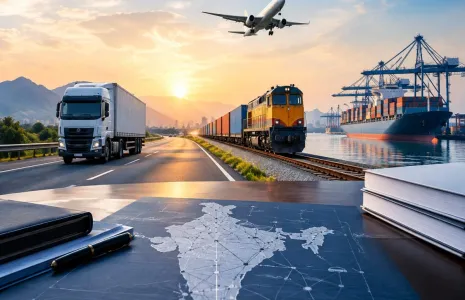
The initiative encompasses more than 800 initiatives covering port modernisation, coastal area development and port-centric industrialisation, with an investment pipeline of Rs five point eight trillion (Rs 5.8 tn). Hundreds of projects have been completed and others are at various stages of implementation, while authorities continue to prioritise project execution and regulatory facilitation. Multimodal linkages that combine ports with freight corridors, highways and railways are being developed to improve hinterland connectivity and cargo velocity.

Major ports recorded an all-time high cargo traffic of over 850 million tonnes (850 mn t) in FY26 as container volumes, dry bulk and petroleum shipments expanded, driven by greater mechanisation, digital cargo handling systems and deeper berths that accommodate larger vessels. Faster cargo handling and improved connectivity could significantly enhance ease of doing business and lower logistics costs that weigh on exporters. Industry observers pointed to the need for further digitalisation and automation to respond to shifting shipping routes and global supply chain realignments.

Port infrastructure has attracted domestic and foreign capital through public-private partnerships, and the rise of new container and liquid terminals and green ports is expected to create jobs and foster coastal industrial clusters. Logistics currently account for about 13-14 per cent of GDP compared with around eight to ten per cent in many developed economies, underlining the scope for cost reduction through efficient ports and linkages. Continued policy support, private investment and timely project delivery are likely to determine whether the programme sustains momentum and secures larger shares of international cargo flows.

The Centre's Sagarmala programme is advancing as a central element of India's infrastructure and trade strategy, directing major investments into port modernisation, multimodal connectivity and logistics to reduce supply chain costs and raise export competitiveness. The programme is expected to support manufacturing, attract private investment and position India as a global maritime and export hub. Government emphasis on port-led development reflects rising merchandise exports and container traffic, increasing demand for efficient logistics. The initiative encompasses more than 800 initiatives covering port modernisation, coastal area development and port-centric industrialisation, with an investment pipeline of Rs five point eight trillion (Rs 5.8 tn). Hundreds of projects have been completed and others are at various stages of implementation, while authorities continue to prioritise project execution and regulatory facilitation. Multimodal linkages that combine ports with freight corridors, highways and railways are being developed to improve hinterland connectivity and cargo velocity. Major ports recorded an all-time high cargo traffic of over 850 million tonnes (850 mn t) in FY26 as container volumes, dry bulk and petroleum shipments expanded, driven by greater mechanisation, digital cargo handling systems and deeper berths that accommodate larger vessels. Faster cargo handling and improved connectivity could significantly enhance ease of doing business and lower logistics costs that weigh on exporters. Industry observers pointed to the need for further digitalisation and automation to respond to shifting shipping routes and global supply chain realignments. Port infrastructure has attracted domestic and foreign capital through public-private partnerships, and the rise of new container and liquid terminals and green ports is expected to create jobs and foster coastal industrial clusters. Logistics currently account for about 13-14 per cent of GDP compared with around eight to ten per cent in many developed economies, underlining the scope for cost reduction through efficient ports and linkages. Continued policy support, private investment and timely project delivery are likely to determine whether the programme sustains momentum and secures larger shares of international cargo flows.

Next Story
Infrastructure Urban

Centre Clears Power Distribution Upgrade for Uttar Pradesh

The Central Government has approved power distribution projects worth Rs 407.39 billion for Uttar Pradesh under the Revamped Distribution Sector Scheme (RDSS). The investment will be used to modernise the state's electricity distribution infrastructure and strengthen network capacity across urban and rural areas. The package targets one of the country's largest distribution networks as the state experiences rapid urbanisation and rising electricity consumption. Planned interventions include the strengthening of distribution lines, modernisation of substations, replacement of ageing electrical ..

Next Story
Infrastructure Energy

India Data Centres To Consume 191 TWh By 2040 Driving Renewables

A Wood Mackenzie report says India's operational data centre capacity is projected to increase more than fivefold to 12 gigawatt (GW) by 2030 from 2.2 GW in 2025 as artificial intelligence (AI) and cloud computing drive demand. It projects electricity consumption to rise from 10 terawatt-hour (TWh) in 2025 to 191 TWh by 2040. The study forecasts a compound annual growth rate of around 40 per cent and notes AI-dedicated capacity will surge nearly 24-fold from 275 megawatt (MW) in 2025 to 6,546 MW by 2030. The report places India's digital economy at Rs 32 trillion (tn) in 2025 and says it contr..

Next Story
Infrastructure Transport

Hydrogen Train Completes 1,200 Kilometres Of Trials

India's first hydrogen train was flagged off between Jind and Sonipat on July 17 and has travelled over 1,200 kilometres in trials, saving diesel consumption of more than 3,200 litres, a Railway Ministry press release said. The deployment marks the introduction of a zero-emission fuel cell train into route testing and represents a milestone in domestic rail innovation. The train generates electricity onboard through a chemical reaction between hydrogen and oxygen, producing electricity to propel the vehicle while emitting only water vapour as a by-product. There is no smoke and no tailpipe car..

Advertisement

Subscribe to Our Newsletter

Get daily newsletters around different themes from Construction world.

STAY CONNECTED

Advertisement

Advertisement

Advertisement