Chandigarh Invites Feedback On Solid Waste Management Bylaws
WATER & WASTE

Chandigarh Invites Feedback On Solid Waste Management Bylaws

The Municipal Corporation in Chandigarh has invited suggestions and observations on its Solid Waste Management-2026 bylaws from residents and stakeholders, with a 15-day window for submissions. The move follows approval of a draft in the General House and Supreme Court directions requiring the corporation to notify bylaws aligned with the Solid Waste Management Rules, 2026. Once implemented, the bylaws will mark one of the most significant reforms in the city’s waste management framework in recent years. On 31 July the House rejected a proposed hike in user charges while approving increased penalties.

The draft raises penalties for various violations, with fines of up to Rs 0.15 million (mn) for bulk waste generators and resident welfare associations. A final draft will be prepared after public feedback to the current proposals. Debate in the House reflected councillors’ concerns about multiple issues in garbage disposal, including the mess created by street vendors.

A central feature of the proposed bylaws is mandatory segregation of waste at source. Every waste generator will be required to separate waste into four streams — wet or biodegradable waste, dry or recyclable waste, domestic hazardous waste and sanitary waste — before handing it to authorised collectors. Bulk waste generators must segregate horticulture and construction waste separately and process biodegradable waste on-site where required. The bylaws prescribe colour-coded bins and prohibit mixing of segregated waste during collection or transportation.

The proposals strengthen enforcement by empowering the Municipal Corporation to levy user charges, environmental compensation and penalties for offences such as littering, open burning, illegal dumping, failure to segregate, non-registration and unauthorised transportation. Street vendors will be obliged to keep containers for storage of garbage and to deposit waste at notified depots, containers or collection vehicles. Barber shops, beauty salons and similar establishments must collect and store hair and other biodegradable grooming waste separately in covered containers and hand over hazardous items such as used blades to authorised collectors or designated processing facilities.

Bulk waste generators including residential complexes, institutions, hotels, hospitals and commercial establishments will need to register with the Municipal Corporation, establish segregation systems, ensure scientific processing of biodegradable waste, maintain records and comply with extended bulk waste generator responsibility norms while paying user charges where applicable. The corporation will issue responsibility certificates and monitor compliance, and compulsory registration is proposed for commercial establishments, scrap dealers and waste traders with obligations to maintain hygienic premises, prevent littering and allow inspections. The bylaws also place duties on individuals, require event organisers to arrange waste collection and post-event cleaning, and bring textile waste generators into the regulated framework for separate collection and authorised disposal.

The Municipal Corporation in Chandigarh has invited suggestions and observations on its Solid Waste Management-2026 bylaws from residents and stakeholders, with a 15-day window for submissions. The move follows approval of a draft in the General House and Supreme Court directions requiring the corporation to notify bylaws aligned with the Solid Waste Management Rules, 2026. Once implemented, the bylaws will mark one of the most significant reforms in the city’s waste management framework in recent years. On 31 July the House rejected a proposed hike in user charges while approving increased penalties. The draft raises penalties for various violations, with fines of up to Rs 0.15 million (mn) for bulk waste generators and resident welfare associations. A final draft will be prepared after public feedback to the current proposals. Debate in the House reflected councillors’ concerns about multiple issues in garbage disposal, including the mess created by street vendors. A central feature of the proposed bylaws is mandatory segregation of waste at source. Every waste generator will be required to separate waste into four streams — wet or biodegradable waste, dry or recyclable waste, domestic hazardous waste and sanitary waste — before handing it to authorised collectors. Bulk waste generators must segregate horticulture and construction waste separately and process biodegradable waste on-site where required. The bylaws prescribe colour-coded bins and prohibit mixing of segregated waste during collection or transportation. The proposals strengthen enforcement by empowering the Municipal Corporation to levy user charges, environmental compensation and penalties for offences such as littering, open burning, illegal dumping, failure to segregate, non-registration and unauthorised transportation. Street vendors will be obliged to keep containers for storage of garbage and to deposit waste at notified depots, containers or collection vehicles. Barber shops, beauty salons and similar establishments must collect and store hair and other biodegradable grooming waste separately in covered containers and hand over hazardous items such as used blades to authorised collectors or designated processing facilities. Bulk waste generators including residential complexes, institutions, hotels, hospitals and commercial establishments will need to register with the Municipal Corporation, establish segregation systems, ensure scientific processing of biodegradable waste, maintain records and comply with extended bulk waste generator responsibility norms while paying user charges where applicable. The corporation will issue responsibility certificates and monitor compliance, and compulsory registration is proposed for commercial establishments, scrap dealers and waste traders with obligations to maintain hygienic premises, prevent littering and allow inspections. The bylaws also place duties on individuals, require event organisers to arrange waste collection and post-event cleaning, and bring textile waste generators into the regulated framework for separate collection and authorised disposal.

Related Stories

Gold Stories

Next Story
Infrastructure Urban

Gopalan Metals Enters Building Wires Segment

Gopalan Metals (India) has recently launched Gopalan Wires and Cables, marking its entry into the building wires segment for residential, commercial and industrial applications.The product portfolio currently includes Flame Retardant (FR) and Flame Retardant Low Smoke and Halogen (FRLS-H) PVC house wires. The products are manufactured at the company’s Hoskote facility in Karnataka, which has a production capacity of around 6,000 km of building wires per month.Gopalan Wires and Cables will cater to electrical dealers, distributors, contractors, builders, infrastructure projects, OEMs and end ..
Next Story
Real Estate

KONE India Opens New Office in Jabalpur

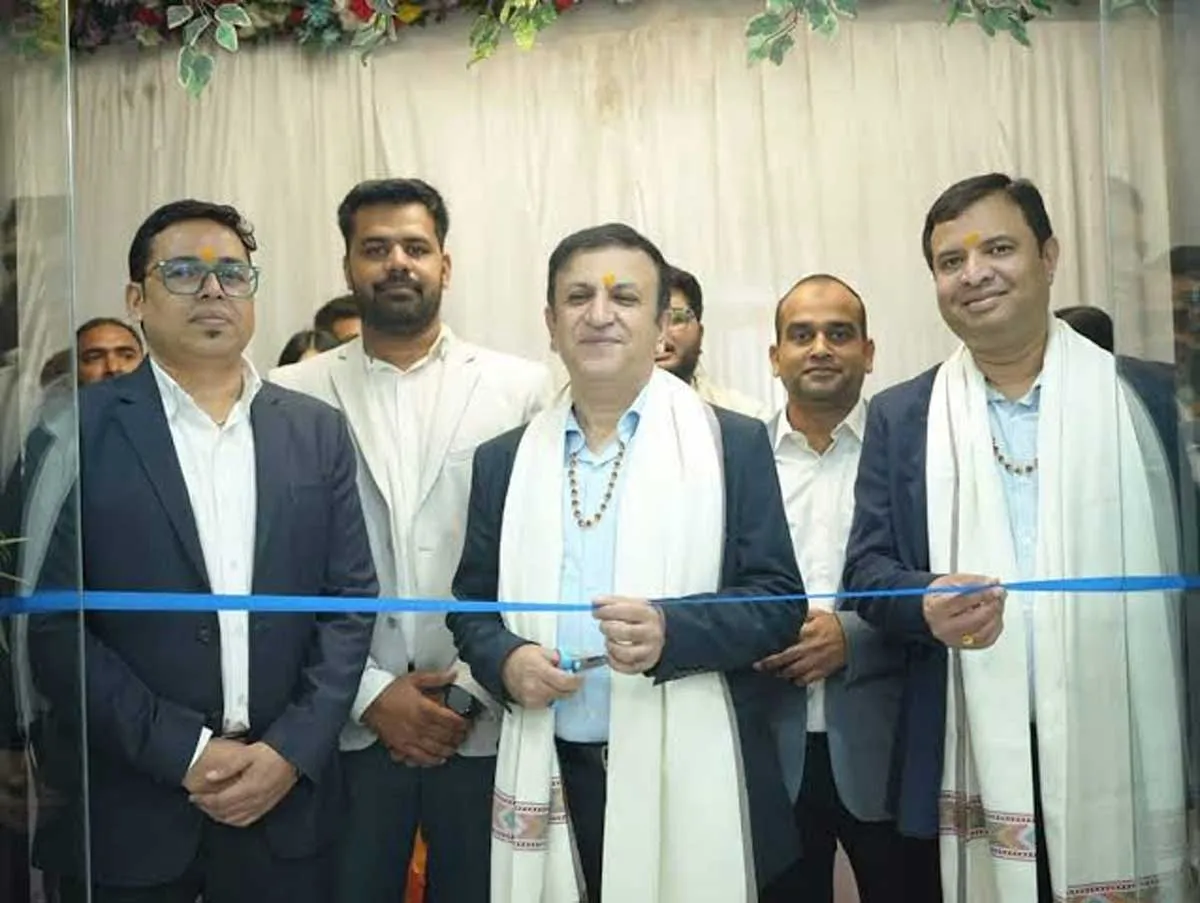
KONE India has recently inaugurated a new office in Jabalpur, strengthening its presence and customer reach across Central Madhya Pradesh.The office will serve customers in Rewa, Satna, Singrauli and Katni, while also expanding the company’s reach into emerging markets such as Shahdol and Seoni. It will provide local sales, service and installation support to address growing customer requirements across the region.Amit Gossain, Managing Director, KONE India, said, “Jabalpur is an important market for us, and this new office brings us closer to our customers in the area. As the region conti..
Next Story
Infrastructure Urban

Greenr Opens 12th Outlet at Oberoi Garden City, Goregaon

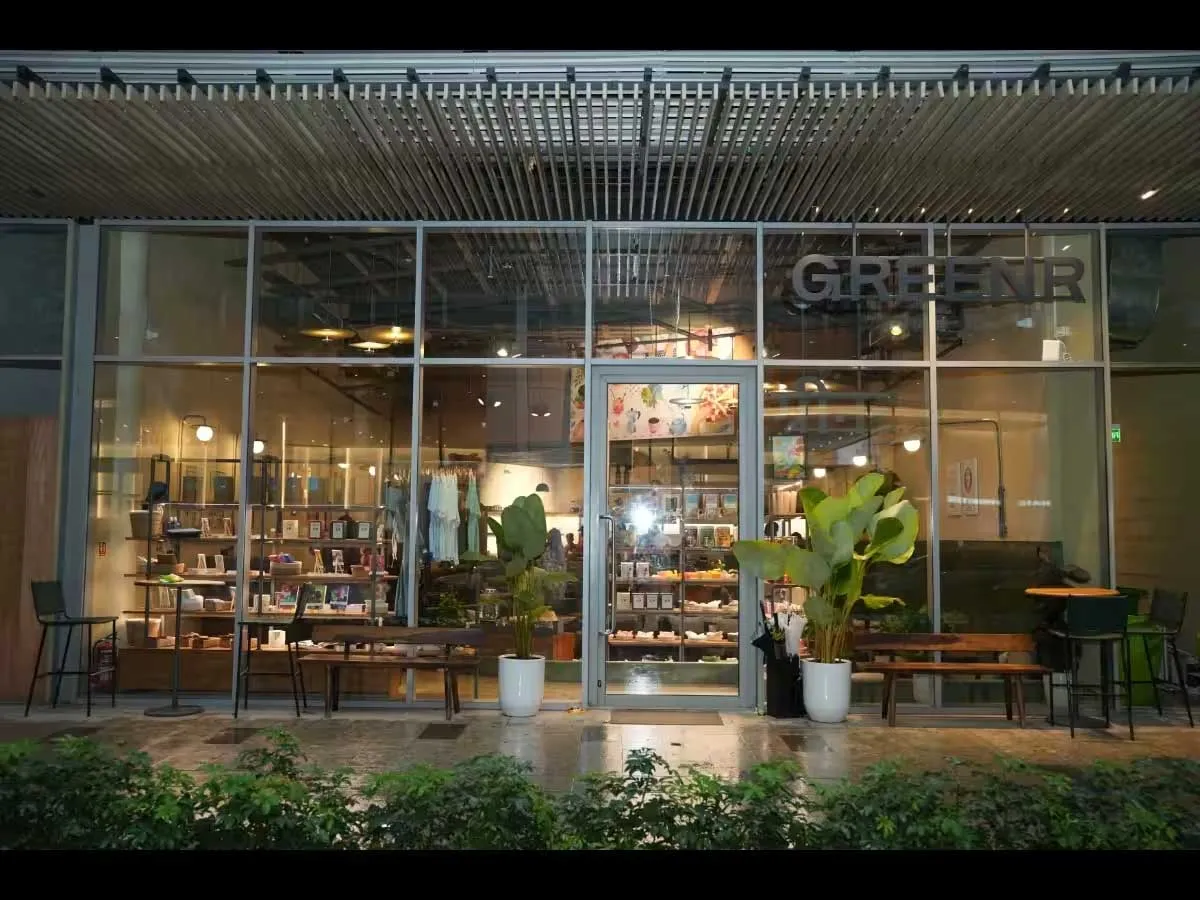
Greenr has recently opened its newest outlet at Cafés. Restaurants. Bars. within International Business Park, Oberoi Garden City, Goregaon, marking its 12th location in India and further strengthening its presence in Mumbai.The outlet brings together Greenr’s plant-forward food, specialty coffee and community-focused experiences in a format designed for professionals, residents and visitors. The space is intended to support dining, coffee meetings, informal work sessions and social interactions throughout the day.Greenr’s offering combines globally inspired vegetarian cuisine with wellnes..

Advertisement

Subscribe to Our Newsletter

Get daily newsletters around different themes from Construction world.

STAY CONNECTED

Advertisement