Delhi Plans 12 Sewage Plants to Clean Najafgarh Drain Efficiently
WATER & WASTE

Delhi Plans 12 Sewage Plants to Clean Najafgarh Drain Efficiently

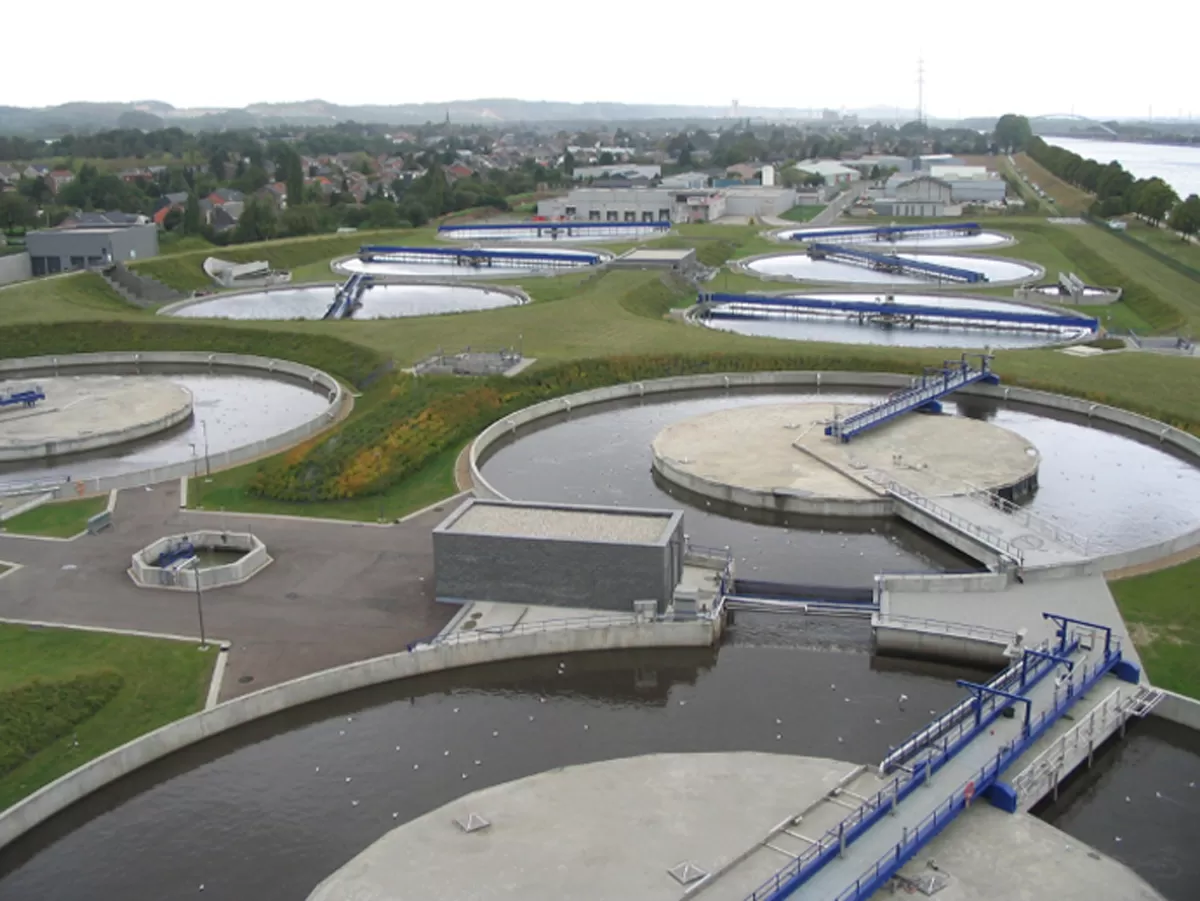
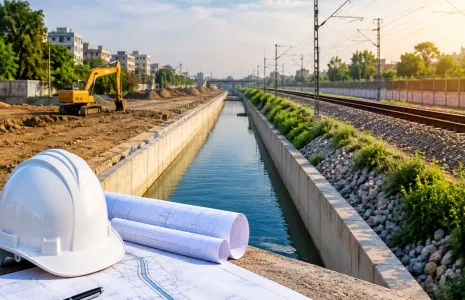
Delhi’s ambitious plan to improve the water quality of the Yamuna River has gained significant momentum as the Delhi Jal Board (DJB) has begun work on 12 new sewage treatment plants (STPs) aimed at reducing the volume of untreated sewage being discharged from the Najafgarh Drain.

This initiative forms part of the ongoing efforts to clean the Yamuna and restore the river’s health, which has long been a critical environmental issue for the national capital. Given the alarming pollution levels in the Yamuna, experts and officials consider this project a vital step toward addressing the persistent problem. The Najafgarh Drain, responsible for contributing a large share of untreated sewage into the Yamuna, has been a major source of pollution. As a key component of the project, the DJB has commenced the construction of a 49.5 million litres per day (MLD) wastewater treatment plant in Chhawla, located in southwest Delhi. Alongside this, the plan includes the development of several smaller decentralized sewage treatment plants (DSTPs) strategically positioned in areas with high sewage inflow.

The implementation of these treatment plants aligns with the Delhi government’s broader strategy to clean the Yamuna, starting specifically with the Najafgarh Drain. The primary objective is to improve water quality, reduce pollution, and move closer to the government’s goal of “Zero Pollution.” The new DSTPs are designed to treat wastewater at its source, thereby preventing untreated sewage from flowing into the drain and eventually into the river. The DJB’s work is part of the “Sahibi Mission,” a dedicated initiative aimed at cleaning the Najafgarh Basin and enhancing water quality in the region. The Najafgarh Drain, historically known as the Sahibi River, is an extensive network of wastewater channels that act as a major outlet for untreated sewage from various parts of Delhi. Due to its large size, the drain cannot be fully diverted or tapped; therefore, the approach involves a combination of decentralized treatment plants and strategic water management.

Officials from the DJB have highlighted that the sheer scale of the Najafgarh Drain—which is often compared to a small river due to its size—requires a distributed treatment solution. Their plan is to deploy multiple smaller treatment plants at key points to treat sewage at its source, thereby reducing pollution in the Yamuna and preventing untreated water from entering the river.

The DSTPs are planned to be situated in several critical locations across southwest Delhi, including areas such as Jaffarpur, Galibpur, Khera Dabar, Hasanpur, Kazipur, Shikarpur, Sarangpur, Kair, Kakrola, Kangaheri, and Dichon Kalan. These plants are expected to play a significant role in tackling pollution at its origin and support the overall water quality management framework laid out by the DJB. According to project specifications, the treated water from the DSTPs will meet stringent quality standards. Specifically, the biochemical oxygen demand (BOD) and total suspended solids (TSS) levels in the treated water are to be reduced to less than 10 milligrams per litre (mg/L). This represents a considerable improvement compared to current BOD and TSS levels, which are estimated to range between 250-400 mg/L and 300-500 mg/L, respectively. BOD measures the oxygen consumed by microorganisms to break down organic matter, while TSS indicates the amount of solid particles suspended in water—both being critical indicators of water quality and its impact on aquatic ecosystems.

In addition to improving water quality, the treated water from these DSTPs is expected to have practical uses such as irrigation, rejuvenation of water bodies, and horticultural activities. These applications will help conserve freshwater resources and contribute to more sustainable urban water management.

The project timeline is ambitious yet achievable. The construction of the treatment plants is projected to take about 15 months, with an additional month for commissioning and two months for trial runs to ensure operational efficiency and compliance with environmental standards. The DJB has already initiated the bidding process, with the first phase of the project expected to be awarded within the coming month.

As part of its long-term plan to enhance sewage treatment capacity throughout the city, the DJB aims to establish a total of 40 decentralized treatment plants across various regions of Delhi. Of these, 14 will be located within the Najafgarh zone, and work on 11 DSTPs has already started in the first phase. A major development in this area is also the construction of the 49.5 MLD centralized treatment plant in Chhawla, which will play a crucial role in the overall sewage management strategy.

Financially, the government has approved an expenditure of ₹3,140 crore for establishing 27 DSTPs and related infrastructure. The contract terms include a ten-year operation and maintenance period to ensure the plants remain functional and efficient over the long term. By decentralizing sewage treatment, Delhi is adopting a proactive approach to wastewater management, moving away from dependence on a few large centralized plants.

This initiative reflects Delhi’s commitment to reducing its environmental footprint and tackling pollution in a systematic and sustainable manner. The government’s focus on decentralized treatment facilities also aligns with growing demand for localized solutions that can more effectively address urban challenges such as water management and waste disposal. Experts believe these efforts could provide a vital solution to the increasing pollution levels in the Yamuna, ultimately improving the quality of life in Delhi. By cutting down untreated sewage discharge, the government is striving not only for cleaner water but also for a more sustainable urban ecosystem. The success of these initiatives, as Delhi advances with its plans, will depend on strict monitoring, effective implementation, and long-term dedication to water quality management.

News source: Urban Acres


Delhi’s ambitious plan to improve the water quality of the Yamuna River has gained significant momentum as the Delhi Jal Board (DJB) has begun work on 12 new sewage treatment plants (STPs) aimed at reducing the volume of untreated sewage being discharged from the Najafgarh Drain.This initiative forms part of the ongoing efforts to clean the Yamuna and restore the river’s health, which has long been a critical environmental issue for the national capital. Given the alarming pollution levels in the Yamuna, experts and officials consider this project a vital step toward addressing the persistent problem. The Najafgarh Drain, responsible for contributing a large share of untreated sewage into the Yamuna, has been a major source of pollution. As a key component of the project, the DJB has commenced the construction of a 49.5 million litres per day (MLD) wastewater treatment plant in Chhawla, located in southwest Delhi. Alongside this, the plan includes the development of several smaller decentralized sewage treatment plants (DSTPs) strategically positioned in areas with high sewage inflow.The implementation of these treatment plants aligns with the Delhi government’s broader strategy to clean the Yamuna, starting specifically with the Najafgarh Drain. The primary objective is to improve water quality, reduce pollution, and move closer to the government’s goal of “Zero Pollution.” The new DSTPs are designed to treat wastewater at its source, thereby preventing untreated sewage from flowing into the drain and eventually into the river. The DJB’s work is part of the “Sahibi Mission,” a dedicated initiative aimed at cleaning the Najafgarh Basin and enhancing water quality in the region. The Najafgarh Drain, historically known as the Sahibi River, is an extensive network of wastewater channels that act as a major outlet for untreated sewage from various parts of Delhi. Due to its large size, the drain cannot be fully diverted or tapped; therefore, the approach involves a combination of decentralized treatment plants and strategic water management.Officials from the DJB have highlighted that the sheer scale of the Najafgarh Drain—which is often compared to a small river due to its size—requires a distributed treatment solution. Their plan is to deploy multiple smaller treatment plants at key points to treat sewage at its source, thereby reducing pollution in the Yamuna and preventing untreated water from entering the river.The DSTPs are planned to be situated in several critical locations across southwest Delhi, including areas such as Jaffarpur, Galibpur, Khera Dabar, Hasanpur, Kazipur, Shikarpur, Sarangpur, Kair, Kakrola, Kangaheri, and Dichon Kalan. These plants are expected to play a significant role in tackling pollution at its origin and support the overall water quality management framework laid out by the DJB. According to project specifications, the treated water from the DSTPs will meet stringent quality standards. Specifically, the biochemical oxygen demand (BOD) and total suspended solids (TSS) levels in the treated water are to be reduced to less than 10 milligrams per litre (mg/L). This represents a considerable improvement compared to current BOD and TSS levels, which are estimated to range between 250-400 mg/L and 300-500 mg/L, respectively. BOD measures the oxygen consumed by microorganisms to break down organic matter, while TSS indicates the amount of solid particles suspended in water—both being critical indicators of water quality and its impact on aquatic ecosystems.In addition to improving water quality, the treated water from these DSTPs is expected to have practical uses such as irrigation, rejuvenation of water bodies, and horticultural activities. These applications will help conserve freshwater resources and contribute to more sustainable urban water management.The project timeline is ambitious yet achievable. The construction of the treatment plants is projected to take about 15 months, with an additional month for commissioning and two months for trial runs to ensure operational efficiency and compliance with environmental standards. The DJB has already initiated the bidding process, with the first phase of the project expected to be awarded within the coming month.As part of its long-term plan to enhance sewage treatment capacity throughout the city, the DJB aims to establish a total of 40 decentralized treatment plants across various regions of Delhi. Of these, 14 will be located within the Najafgarh zone, and work on 11 DSTPs has already started in the first phase. A major development in this area is also the construction of the 49.5 MLD centralized treatment plant in Chhawla, which will play a crucial role in the overall sewage management strategy.Financially, the government has approved an expenditure of ₹3,140 crore for establishing 27 DSTPs and related infrastructure. The contract terms include a ten-year operation and maintenance period to ensure the plants remain functional and efficient over the long term. By decentralizing sewage treatment, Delhi is adopting a proactive approach to wastewater management, moving away from dependence on a few large centralized plants.This initiative reflects Delhi’s commitment to reducing its environmental footprint and tackling pollution in a systematic and sustainable manner. The government’s focus on decentralized treatment facilities also aligns with growing demand for localized solutions that can more effectively address urban challenges such as water management and waste disposal. Experts believe these efforts could provide a vital solution to the increasing pollution levels in the Yamuna, ultimately improving the quality of life in Delhi. By cutting down untreated sewage discharge, the government is striving not only for cleaner water but also for a more sustainable urban ecosystem. The success of these initiatives, as Delhi advances with its plans, will depend on strict monitoring, effective implementation, and long-term dedication to water quality management.News source: Urban Acres

Next Story
Infrastructure Urban

VECV Sales Rise 7.8 Per Cent In May 2026

VE Commercial Vehicles recorded sales of 7,978 units in May 2026, compared to 7,401 units in May 2025, registering growth of 7.8 per cent. This included 7,789 units from the Eicher brand and 189 units from the Volvo brand.Eicher branded trucks and buses reported sales of 7,789 units during the month, up 7.3 per cent from 7,258 units a year earlier. In the domestic commercial vehicle market, Eicher sales rose 9.1 per cent to 7,375 units from 6,758 units in May 2025.Exports declined 17.2 per cent to 414 units from 500 units in the corresponding month last year. Volvo Trucks and Volvo Buses recor..

Next Story
Infrastructure Urban

Table Space Strengthens DESYN Leadership Team

Table Space has announced strategic leadership appointments within DESYN, its integrated Design and Build business, as it looks to strengthen operations across key enterprise and GCC markets in India. DESYN was launched as a strategic extension of Table Space’s workspace solutions portfolio to meet rising demand for agile, high-quality and rapidly deployable enterprise workspaces.Shruti Ookabhoy has joined DESYN as Executive Director and will lead the Design vertical, focusing on design capability, operational excellence and team development across markets. She brings over 22 years of experi..

Next Story
Infrastructure Transport

Concord Associate Bags Rs 2.79 Bn Kavach Order

Concord Control Systems said its associate company, Progota India, has received a Rs 2.79 bn domestic order from Indian Railways for the supply, installation, testing and commissioning of on-board Kavach 4.0 loco equipment.The order is scheduled for execution within 12 months and strengthens Concord’s role in India’s railway safety and signalling ecosystem. Kavach is India’s indigenous automatic train protection system, designed to improve operational safety by helping prevent signal passing at danger and reducing collision risks.Gaurav Lath, Joint Managing Director, Concord Control Syst..

Advertisement

Subscribe to Our Newsletter

Get daily newsletters around different themes from Construction world.

STAY CONNECTED

Advertisement

Advertisement

Advertisement