Two Day UT Workshop Strengthens Solid Waste Management Planning
WATER & WASTE

Two Day UT Workshop Strengthens Solid Waste Management Planning

A two-day Union Territory (UT) level capacity building workshop on solid waste management and planning under the Swachh Bharat Mission-Grameen (SBM-G) commenced at J&K IMPARD in Srinagar, bringing together senior officials and field functionaries from across Jammu and Kashmir. The programme was convened to strengthen institutional mechanisms and to promote coordinated planning of waste management at local and block levels. Organisers described the gathering as an attempt to align technical knowledge, regulatory awareness and implementation capacity to improve rural sanitation outcomes.

The workshop aimed to enhance the knowledge and practical skills of field functionaries and stakeholders responsible for implementing solid waste management initiatives under SBM-G. Participants deliberated on strategic planning frameworks, scientific processing methods and the practical application of the latest waste management regulations to local circumstances. Sessions were structured to bridge policy with field practice and to equip officials with tools for effective planning and monitoring.

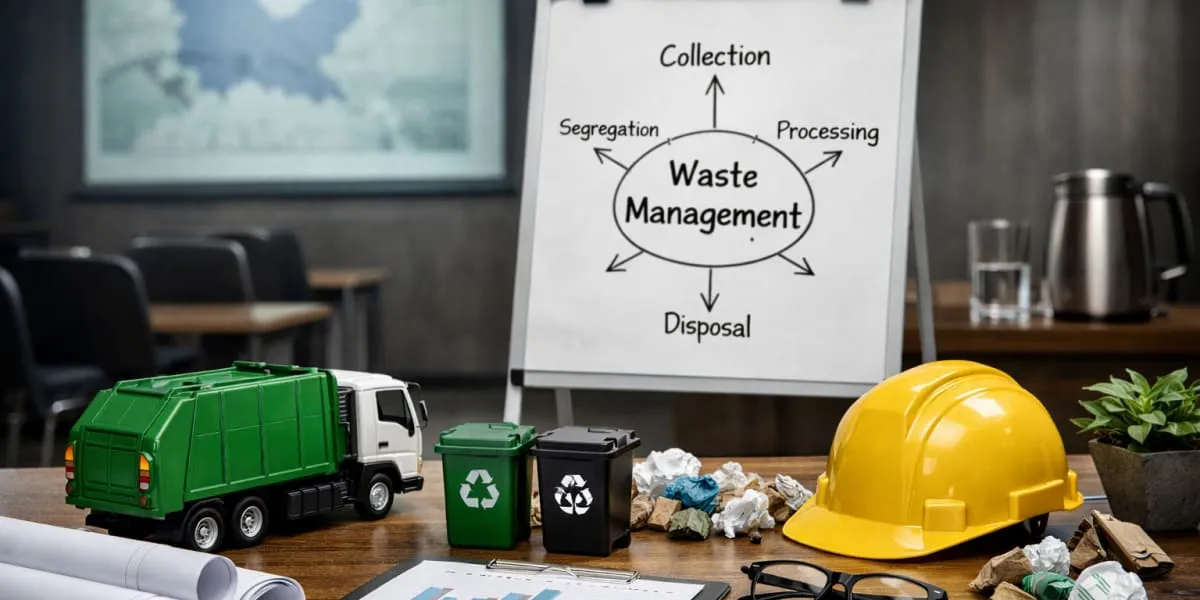
A series of technical sessions, expert presentations, case studies and interactive discussions were scheduled during the two-day programme to deepen understanding of waste segregation, collection, processing, resource recovery and safe disposal mechanisms. Subject experts emphasised a holistic, community-driven approach to achieve cleaner, healthier and environmentally sustainable rural areas, and they urged integration of local self-help groups and panchayat institutions in implementation. The workshop was presented as an opportunity to share innovative solutions and replicable models for rural sanitation and environmental protection.

The event saw participation from the Director General of Rural Sanitation, Jammu and Kashmir, Deputy Directors of Rural Sanitation for Jammu and Kashmir, Assistant Commissioners Panchayat from various districts, Block Development Officers, domain experts and consultants of the PMU at the Directorate of Rural Sanitation, along with other officials engaged in rural sanitation programmes. Organisers indicated that strengthened capacities would support improved waste segregation, enhance resource recovery and ensure safer disposal practices across villages in the Union Territory. Follow-up activities were said to include continued technical support and knowledge exchange to advance the vision of clean and green villages.

"Join industry leaders at RAHSTA Expo, India's premier platform for roads, highways and traffic infrastructure. Register now to explore innovations, network with experts and shape the future of mobility."

A two-day Union Territory (UT) level capacity building workshop on solid waste management and planning under the Swachh Bharat Mission-Grameen (SBM-G) commenced at J&K IMPARD in Srinagar, bringing together senior officials and field functionaries from across Jammu and Kashmir. The programme was convened to strengthen institutional mechanisms and to promote coordinated planning of waste management at local and block levels. Organisers described the gathering as an attempt to align technical knowledge, regulatory awareness and implementation capacity to improve rural sanitation outcomes. The workshop aimed to enhance the knowledge and practical skills of field functionaries and stakeholders responsible for implementing solid waste management initiatives under SBM-G. Participants deliberated on strategic planning frameworks, scientific processing methods and the practical application of the latest waste management regulations to local circumstances. Sessions were structured to bridge policy with field practice and to equip officials with tools for effective planning and monitoring. A series of technical sessions, expert presentations, case studies and interactive discussions were scheduled during the two-day programme to deepen understanding of waste segregation, collection, processing, resource recovery and safe disposal mechanisms. Subject experts emphasised a holistic, community-driven approach to achieve cleaner, healthier and environmentally sustainable rural areas, and they urged integration of local self-help groups and panchayat institutions in implementation. The workshop was presented as an opportunity to share innovative solutions and replicable models for rural sanitation and environmental protection. The event saw participation from the Director General of Rural Sanitation, Jammu and Kashmir, Deputy Directors of Rural Sanitation for Jammu and Kashmir, Assistant Commissioners Panchayat from various districts, Block Development Officers, domain experts and consultants of the PMU at the Directorate of Rural Sanitation, along with other officials engaged in rural sanitation programmes. Organisers indicated that strengthened capacities would support improved waste segregation, enhance resource recovery and ensure safer disposal practices across villages in the Union Territory. Follow-up activities were said to include continued technical support and knowledge exchange to advance the vision of clean and green villages.

Next Story
Infrastructure Transport

The Risk of Negative Bids

The phenomenon of negative bidding in India's roads sector has moved from being an occasional occurrence to an industry-wide concern. With contractors increasingly quoting significantly below project estimates to secure orders, questions are being raised over project viability, execution quality and the long-term sustainability of the contracting ecosystem.These concerns formed the core of a high-level industry roundtable organised by CW, where senior industry leaders deliberated on the reasons behind the trend, its implications and the reforms needed to restore discipline and sustainability i..

Next Story
Technology

Building Faster, Cleaner and More Profitably

The First Construction Council (FCC), in association with CW magazine and supported by Autodesk as the Presenting Partner, recently convened an exclusive CXO roundtable titled “Building Faster, Cleaner and More Profitably: The Growth Playbook for Construction Leaders.”Held as part of a multi-city dialogue series spanning Mumbai, Bengaluru and Delhi, the roundtable brought together senior industry leaders to deliberate on the challenges and opportunities shaping India's construction and real-estate sectors...To read the full article Click Here ..

Next Story
Real Estate

NICMAR’s campus is a live lesson in construction methodology

At NICMAR University, architecture becomes a live lesson in construction innovation. Pankaj Nande, Principal Architect, TDC Architecture and Design, explains how Alumil’s fenestration systems helped turn a precast campus vision into a functional, durable and future-facing learning environment for the next generation of builders.Please take us through your journey as an architect and some of the projects you have worked on.I am the founder of TDC- Architecture & Design, Pune. Our journey started with the thought of doing justice not only to design, but also to construction methodology, te..

Advertisement

Subscribe to Our Newsletter

Get daily newsletters around different themes from Construction world.

STAY CONNECTED

Advertisement

Advertisement

Advertisement