


Industry Bodies Call for Wider Use of Cement Co-Processing
Cement

Industry Bodies Call for Wider Use of Cement Co-Processing

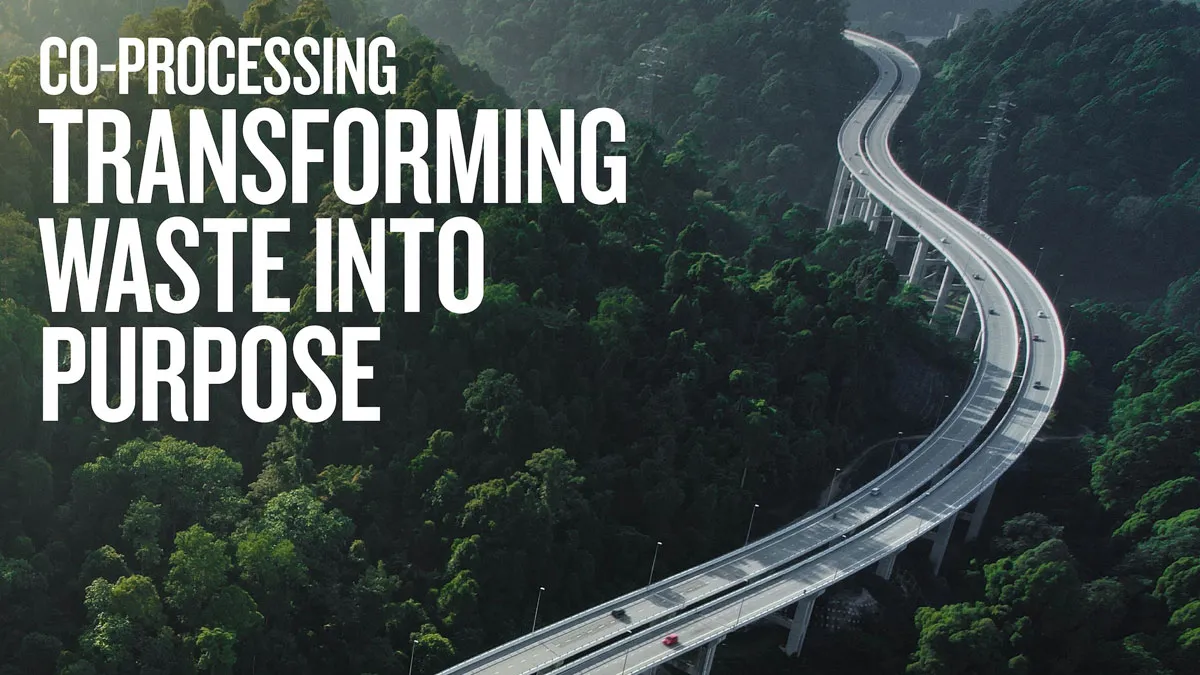
Leading industry organisations have called for stronger policy support to accelerate the adoption of cement industry co-processing as a sustainable solution for managing non-recyclable and non-reusable waste. In a joint statement, bodies including the Global Cement and Concrete Association, European Composites Industry Association, International Solid Waste Association – Africa, Mission Possible Partnership and the Global Waste-to-Energy Research and Technology Council highlighted the role co-processing can play in addressing the growing global waste challenge.
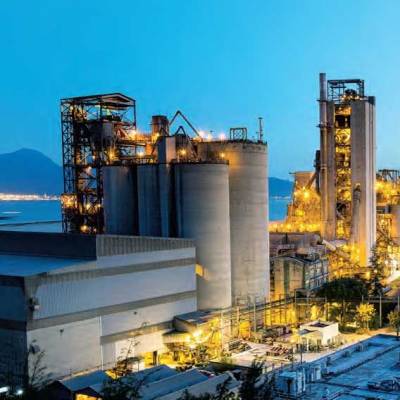
Co-processing enables the use of waste as an alternative to fossil fuels in cement kilns, while residual ash is incorporated into cementitious materials, resulting in a zero-waste process. The approach supports both energy recovery and material recycling, complements conventional recycling systems and reduces reliance on landfill infrastructure. It is primarily applied to waste streams that are contaminated or unsuitable for recycling.
The organisations noted that co-processing is already recognised in regions such as Europe, India, Latin America and North America, operating under regulated frameworks to ensure safety, emissions control and transparency. However, adoption remains uneven globally, with some plants achieving over 90 per cent fuel substitution while others lack enabling policies.
The statement urged governments and institutions to formally recognise co-processing in waste management frameworks, streamline environmental permitting, incentivise waste collection and pre-treatment, account for recycled material content in national targets, and support public-private partnerships. The call comes amid rising global waste volumes, which are estimated at over 11 billion tonnes annually, with unmanaged waste contributing to greenhouse gas emissions, pollution and health risks.

Leading industry organisations have called for stronger policy support to accelerate the adoption of cement industry co-processing as a sustainable solution for managing non-recyclable and non-reusable waste. In a joint statement, bodies including the Global Cement and Concrete Association, European Composites Industry Association, International Solid Waste Association – Africa, Mission Possible Partnership and the Global Waste-to-Energy Research and Technology Council highlighted the role co-processing can play in addressing the growing global waste challenge.Co-processing enables the use of waste as an alternative to fossil fuels in cement kilns, while residual ash is incorporated into cementitious materials, resulting in a zero-waste process. The approach supports both energy recovery and material recycling, complements conventional recycling systems and reduces reliance on landfill infrastructure. It is primarily applied to waste streams that are contaminated or unsuitable for recycling.The organisations noted that co-processing is already recognised in regions such as Europe, India, Latin America and North America, operating under regulated frameworks to ensure safety, emissions control and transparency. However, adoption remains uneven globally, with some plants achieving over 90 per cent fuel substitution while others lack enabling policies.The statement urged governments and institutions to formally recognise co-processing in waste management frameworks, streamline environmental permitting, incentivise waste collection and pre-treatment, account for recycled material content in national targets, and support public-private partnerships. The call comes amid rising global waste volumes, which are estimated at over 11 billion tonnes annually, with unmanaged waste contributing to greenhouse gas emissions, pollution and health risks.

Next Story
Infrastructure Energy

ONGC Caps Mori-5 Well in Five Days After Blowout

Oil and Natural Gas Corporation Limited (ONGC) has successfully established well control at the Mori-5 well, completing the capping operation within a record five days. The achievement underscores ONGC’s strong blowout response capability and operational discipline in managing critical field incidents.The blowout occurred on 5 January 2026 during service operations at the well being carried out by PEC contractor M/s Deep Industries Limited. ONGC immediately activated its in-house Crisis Management framework and mobilised specialised manpower and equipment to ensure rapid, safe and controlled..

Next Story
Infrastructure Urban

NIIT MTS Acquires SweetRush for Up to $26 Million

NIIT Learning Systems Limited, through its NIIT Managed Training Services (NIIT MTS) arm, has recently acquired 100 per cent of US-based SweetRush, Inc for an aggregate consideration of up to USD 26 million. The transaction was completed via NIIT MTS’ wholly owned subsidiary, NIIT (USA), Inc., and includes performance-linked earnouts over the next five years, subject to customary adjustments.Headquartered in San Francisco, SweetRush was founded in 2001 by Arturo Schwartzberg and Andrei Hedstrom. The company employs over 100 professionals, supported by an extended network of learning experts ..

Next Story
Infrastructure Urban

Lemon Tree–Fleur Restructuring to Create Two Focused Platforms

Lemon Tree Hotels Limited and Fleur Hotels Limited have recently announced that their Boards have approved a Composite Scheme of Arrangement to simplify group structure, sharpen strategic focus and unlock long-term shareholder value, subject to regulatory and shareholder approvals.The reorganisation will result in two distinct yet complementary platforms. Lemon Tree Hotels will operate as a pure-play, asset-light hotel management and brand platform, while Fleur Hotels, a subsidiary of Lemon Tree, will emerge as a large-scale hotel ownership and development platform with a strong growth pipelin..

Advertisement

Subscribe to Our Newsletter

Get daily newsletters around different themes from Construction world.

STAY CONNECTED

Advertisement

Advertisement

Advertisement

Advertisement

Open In App