Batteries Can Shift India's Solar Gains Into The Evening
COAL & MINING

Batteries Can Shift India's Solar Gains Into The Evening

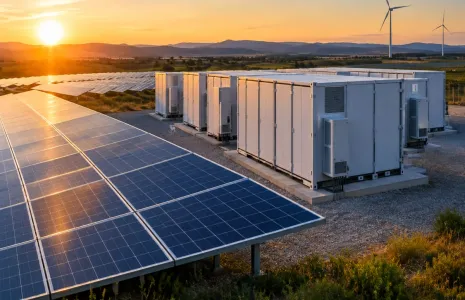
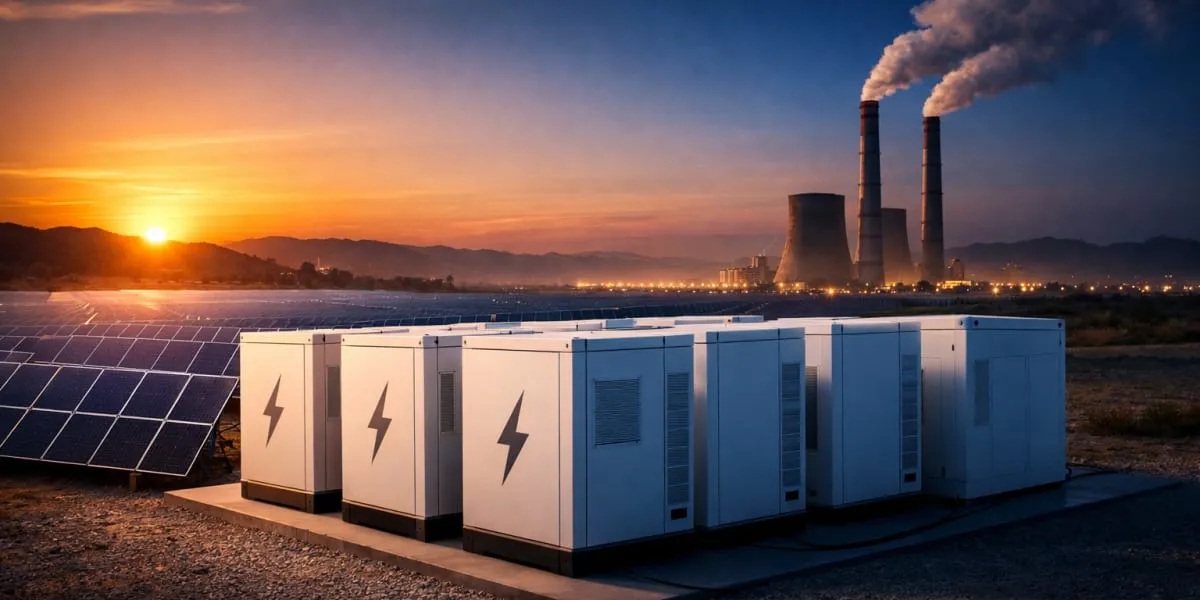
India's expanding solar fleet has cut coal use during daylight hours but evening demand keeps fossil generation running, Ember found. The think tank said battery storage can capture surplus solar in the day and release it in the evening, enabling cheap daytime solar to meet later demand and reducing pressure on coal-fired power. Kostantsa Rangelova, global electricity analyst at Ember, described this as a next step.

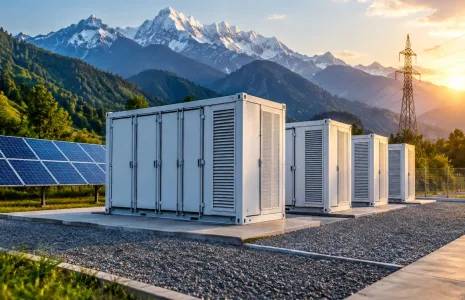
Ember said batteries can also limit renewable curtailment, improve utilisation of existing solar capacity and add system flexibility, but benefits will rely on continued deployment and market reforms that allow storage to access energy and ancillary service markets. The report noted that lithium iron phosphate batteries helped transform costs, with global average installed costs falling 95 per cent from $2,634 per kilowatt hour (kWh) in 2010 to $140 per kWh in 2025.

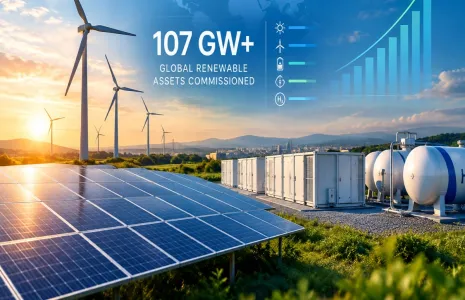
Solar reached a record share globally, generating just over 10 per cent of electricity in the first half of 2026, up from eight point nine per cent in the same period of 2025 and five point six per cent in 2023. Global solar output rose from 769 terawatt hours (TWh) in the first half of 2023 to 1,564 TWh in the first half of 2026 while total generation grew by 12 per cent.

Ember estimated global battery additions could reach 459 gigawatt hours (GWh) in 2026, up 50 per cent from 307 GWh in 2025, and said that if new batteries were used to shift solar they could theoretically move 34 per cent of new daily solar generation into non-sunny hours. The think tank cautioned this was a theoretical ceiling because many batteries are underutilised.

California, Chile and Bulgaria showed that batteries can supply sizeable evening demand, raising evening shares in some markets substantially. Ember said India's transition will depend on shifting renewables into the evening.

India's expanding solar fleet has cut coal use during daylight hours but evening demand keeps fossil generation running, Ember found. The think tank said battery storage can capture surplus solar in the day and release it in the evening, enabling cheap daytime solar to meet later demand and reducing pressure on coal-fired power. Kostantsa Rangelova, global electricity analyst at Ember, described this as a next step. Ember said batteries can also limit renewable curtailment, improve utilisation of existing solar capacity and add system flexibility, but benefits will rely on continued deployment and market reforms that allow storage to access energy and ancillary service markets. The report noted that lithium iron phosphate batteries helped transform costs, with global average installed costs falling 95 per cent from $2,634 per kilowatt hour (kWh) in 2010 to $140 per kWh in 2025. Solar reached a record share globally, generating just over 10 per cent of electricity in the first half of 2026, up from eight point nine per cent in the same period of 2025 and five point six per cent in 2023. Global solar output rose from 769 terawatt hours (TWh) in the first half of 2023 to 1,564 TWh in the first half of 2026 while total generation grew by 12 per cent. Ember estimated global battery additions could reach 459 gigawatt hours (GWh) in 2026, up 50 per cent from 307 GWh in 2025, and said that if new batteries were used to shift solar they could theoretically move 34 per cent of new daily solar generation into non-sunny hours. The think tank cautioned this was a theoretical ceiling because many batteries are underutilised. California, Chile and Bulgaria showed that batteries can supply sizeable evening demand, raising evening shares in some markets substantially. Ember said India's transition will depend on shifting renewables into the evening.

Related Stories

Gold Stories

Next Story
Infrastructure Urban

Panel Urges Zone-Wise Freight Plans and Crew Strengthening

A Parliamentary Standing Committee has urged the Railway Ministry to prepare zone-wise plans to enhance freight traffic in regions with limited mineral movement and industrial activity, according to its ninth report tabled in Parliament on 10 August. The Committee commended efforts to augment network capacity through multitracking, operationalisation of Dedicated Freight Corridors (DFC) and modernisation of yards. It noted that the Ministry has said periodic data-driven assessments are carried out with inputs from Zonal Railways, Divisional Railways and Business Development Units to support po..

Next Story
Infrastructure Urban

Coal India Weighs Buying Wealth Minerals Unit For Chile Lithium

Coal India Limited is evaluating a proposal to acquire the Chilean lithium assets held by the Wealth Minerals unit in Canada as part of a strategic move into battery materials. The company is assessing the asset portfolio, regulatory landscape and integration challenges while retaining coal operations as its core business. The potential interest reflects a shift by a state-owned miner towards minerals critical to the low emission transition. Wealth Minerals, a Canada-based exploration company, holds licences and exploration agreements in Chile that involve hard rock and brine lithium prospects..

Next Story
Infrastructure Energy

Bajel Projects Wins Ultra?Mega Transmission Line Contract

Bajel Projects Limited has secured an Ultra?Mega engineering, procurement and construction order for a transmission line package TL05 from PowerGrid Corporation of India Limited on behalf of its special purpose vehicle. The award forms part of the Western Region–Eastern Region inter?regional network expansion scheme Part A procured under the tariff based competitive bidding route. The contract covers construction of a 765 kV double circuit transmission line. The scope includes bypassing of the Raigarh (Tamnar)–Dharamjaygarh (Sec?B) 765 kV double circuit line and reconfiguration to form the..

Advertisement

Subscribe to Our Newsletter

Get daily newsletters around different themes from Construction world.

STAY CONNECTED

Advertisement