NLC India And Reliance To Assess Lignite Gasification In Gujarat
OIL & GAS

NLC India And Reliance To Assess Lignite Gasification In Gujarat

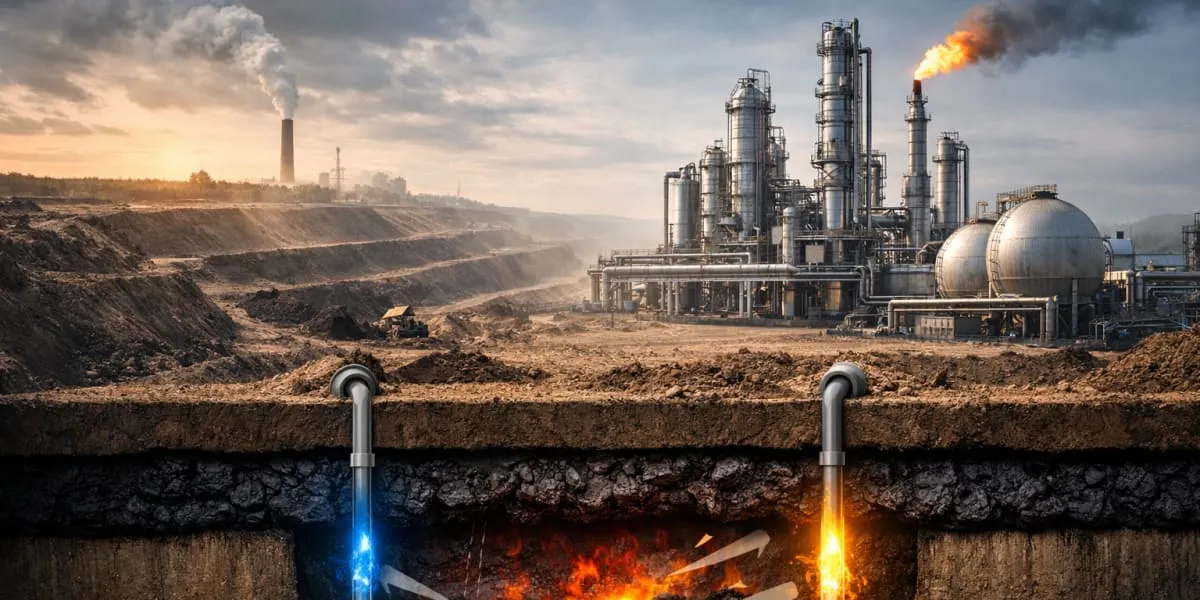
NLC India Ltd and Reliance Industries Ltd will jointly assess an underground lignite gasification project in Gujarat to boost domestic gasified fuel supplies and reduce import dependence. They have signed an agreement to evaluate the feasibility and technical viability of converting lignite reserves into synthesis gas through underground gasification. The study will cover two lignite blocks held by NLCIL and preliminary technical work is underway.

Reliance has been engaged for its expertise in gasification technologies and downstream gas handling and the partners envisage the project supplying additional domestic synthesis gas for industrial use. The initiative is intended to strengthen energy security by lowering reliance on imported liquefied natural gas. Underground lignite gasification converts in situ lignite into synthesis gas, a mixture of hydrogen, carbon monoxide and other gases that can be used as industrial fuel or as feedstock for chemicals and fertilisers.

The development aligns with NLCIL's broader diversification strategy and complements other projects at the company. NLCIL is also constructing a Rs 43.94 billion (bn) lignite to methanol plant at Neyveli, Tamil Nadu, which is expected to be completed next year. The partners said the Gujarat assessment will inform technical design, environmental safeguards and potential downstream integration.

The proposed project is consistent with the Union Cabinet's coal gasification push and with a Rs 375 billion (bn) scheme approved to promote coal and lignite gasification projects. That scheme targets the gasification of around 75 million (mn) tonnes (t) of coal and supports India’s broader target of 100 million (mn) tonnes (t) by 2030. NLCIL, a public sector enterprise engaged in lignite mining and power generation, has been expanding into renewable energy and coal mining as part of its long term diversification efforts.

If the assessment demonstrates technical and commercial viability the partners would consider project development and downstream offtake arrangements to supply industry. The studies will also consider environmental management, water use and subsurface risks as part of standard feasibility evaluation.

NLC India Ltd and Reliance Industries Ltd will jointly assess an underground lignite gasification project in Gujarat to boost domestic gasified fuel supplies and reduce import dependence. They have signed an agreement to evaluate the feasibility and technical viability of converting lignite reserves into synthesis gas through underground gasification. The study will cover two lignite blocks held by NLCIL and preliminary technical work is underway. Reliance has been engaged for its expertise in gasification technologies and downstream gas handling and the partners envisage the project supplying additional domestic synthesis gas for industrial use. The initiative is intended to strengthen energy security by lowering reliance on imported liquefied natural gas. Underground lignite gasification converts in situ lignite into synthesis gas, a mixture of hydrogen, carbon monoxide and other gases that can be used as industrial fuel or as feedstock for chemicals and fertilisers. The development aligns with NLCIL's broader diversification strategy and complements other projects at the company. NLCIL is also constructing a Rs 43.94 billion (bn) lignite to methanol plant at Neyveli, Tamil Nadu, which is expected to be completed next year. The partners said the Gujarat assessment will inform technical design, environmental safeguards and potential downstream integration. The proposed project is consistent with the Union Cabinet's coal gasification push and with a Rs 375 billion (bn) scheme approved to promote coal and lignite gasification projects. That scheme targets the gasification of around 75 million (mn) tonnes (t) of coal and supports India’s broader target of 100 million (mn) tonnes (t) by 2030. NLCIL, a public sector enterprise engaged in lignite mining and power generation, has been expanding into renewable energy and coal mining as part of its long term diversification efforts. If the assessment demonstrates technical and commercial viability the partners would consider project development and downstream offtake arrangements to supply industry. The studies will also consider environmental management, water use and subsurface risks as part of standard feasibility evaluation.

Next Story
Resources

Jyoti Structures Launches Heat Safety Drive Across Sites

Jyoti Structures (JSL) has strengthened heat safety measures across its project sites and manufacturing facilities as temperatures rise across India. The company has implemented a Summer Safety Plan covering all transmission line projects to address risks related to heat stress, dehydration and worker fatigue.The initiative includes rescheduling work away from peak afternoon temperatures, provision of drinking water, ORS and lemon-salt solutions, and installation of rest shelters near work areas. Daily toolbox talks, worker health monitoring, first-aid preparedness, emergency transport arrange..

Next Story
Real Estate

MHADA Declares 82 Buildings Most Dangerous in Central and South Mumbai

The Maharashtra Housing and Area Development Authority (MHADA) has declared 82 buildings as most dangerous across Central and South Mumbai and has appealed to residents to vacate immediately. The list, prepared after structural assessments by the authority, identifies buildings judged to pose imminent risk to occupants and to passersby. Local civic bodies have been asked to coordinate evacuations and to make arrangements for temporary shelter and rehabilitation for displaced households. Officials said the authority prioritised buildings with visible structural distress, severe cracking, tiltin..

Next Story
Infrastructure Transport

Damage Reported At Halwara Airport Terminal After First Rains

Severe damage was reported at the terminal of Halwara Airport during the first major rain spell of the season, prompting immediate concern among aviation and local authorities. Images from the site showed water ingress and visible deterioration of the terminal interior, affecting passenger areas and ancillary services. The airport authority suspended certain operations temporarily to assess structural safety and ensure passenger wellbeing. Preliminary inspections have prioritised electrical systems and roof seals to prevent further water ingress. State aviation officials ordered a formal inqui..

Advertisement

Subscribe to Our Newsletter

Get daily newsletters around different themes from Construction world.

STAY CONNECTED

Advertisement

Advertisement

Advertisement

-->