India Must Scale Energy Storage As Renewable Capacity Rises
POWER & RENEWABLE ENERGY

India Must Scale Energy Storage As Renewable Capacity Rises

Industry stakeholders have warned that India must rapidly scale energy storage systems as renewable capacity expands, noting a significant shortfall in domestic battery cell component manufacturing. They cautioned that import dependence should not be used as a reason to slow deployment of storage and that the grid requires firming capacity now to support additional renewable generation. The observations were shared with the Press Trust of India (PTI) by industry members and gain urgency amid accelerating tendered demand for storage.

Domestic battery manufacturing currently accounts for less than one per cent of demand, with two gigawatt-hour (GWh) of commissioned cell capacity against an approximately 260 GWh demand pipeline from competitive tenders in 2026. The shortfall in cell and component production underlines structural reliance on imports and constrains the pace at which storage can be deployed at scale. Stakeholders said that bridging manufacturing capability and procurement timelines will be critical to meeting policy ambitions.

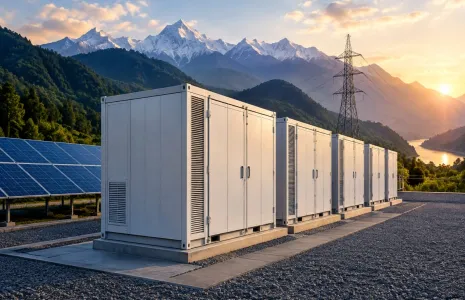
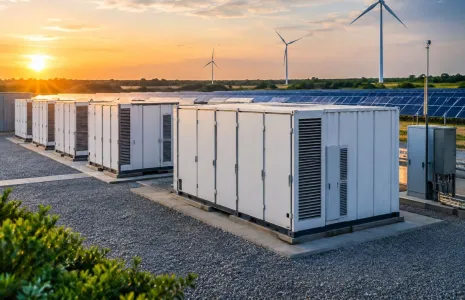
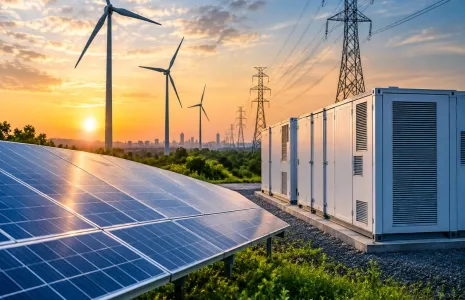
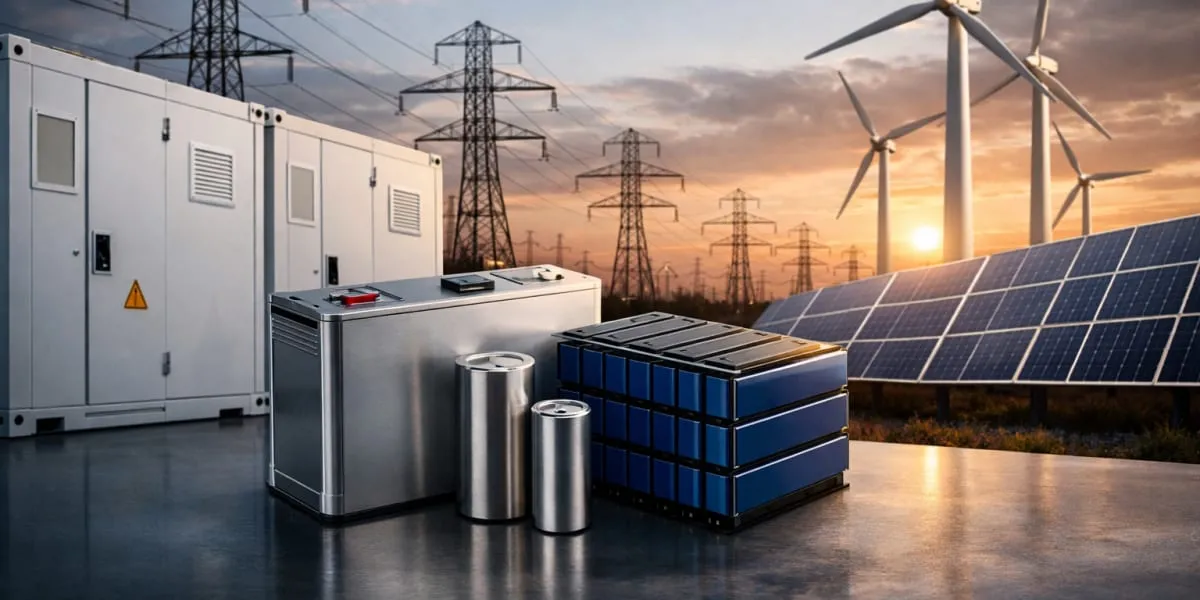
Battery energy storage systems and pumped storage projects are being prioritised to balance solar generation with peak demand and to address intermittency risks. Company executives described storage as essential to unlock the growth potential of solar power and to ensure reliable supply during non-solar hours. Industry leaders observed that domestic cell manufacturing capacity is years behind projected demand rather than merely quarters behind. They warned that delaying storage deployment until cells are fully indigenous would jeopardise grid stability.

The National Thermal Power Corporation (NTPC) disclosed allocation of five GWh of battery energy storage capacity under the Viability Gap Funding scheme to optimise thermal assets and existing transmission infrastructure. Research by Wood Mackenzie concluded that it will take more than a decade for India to become self-sufficient in battery storage, noting China's cumulative capacity of 2695 GWh and its domination of between 85 per cent and 98 per cent of key supply chain segments. The prevailing view among stakeholders was that policy and investment must accelerate both deployment and manufacturing to close the gap.

Industry stakeholders have warned that India must rapidly scale energy storage systems as renewable capacity expands, noting a significant shortfall in domestic battery cell component manufacturing. They cautioned that import dependence should not be used as a reason to slow deployment of storage and that the grid requires firming capacity now to support additional renewable generation. The observations were shared with the Press Trust of India (PTI) by industry members and gain urgency amid accelerating tendered demand for storage. Domestic battery manufacturing currently accounts for less than one per cent of demand, with two gigawatt-hour (GWh) of commissioned cell capacity against an approximately 260 GWh demand pipeline from competitive tenders in 2026. The shortfall in cell and component production underlines structural reliance on imports and constrains the pace at which storage can be deployed at scale. Stakeholders said that bridging manufacturing capability and procurement timelines will be critical to meeting policy ambitions. Battery energy storage systems and pumped storage projects are being prioritised to balance solar generation with peak demand and to address intermittency risks. Company executives described storage as essential to unlock the growth potential of solar power and to ensure reliable supply during non-solar hours. Industry leaders observed that domestic cell manufacturing capacity is years behind projected demand rather than merely quarters behind. They warned that delaying storage deployment until cells are fully indigenous would jeopardise grid stability. The National Thermal Power Corporation (NTPC) disclosed allocation of five GWh of battery energy storage capacity under the Viability Gap Funding scheme to optimise thermal assets and existing transmission infrastructure. Research by Wood Mackenzie concluded that it will take more than a decade for India to become self-sufficient in battery storage, noting China's cumulative capacity of 2695 GWh and its domination of between 85 per cent and 98 per cent of key supply chain segments. The prevailing view among stakeholders was that policy and investment must accelerate both deployment and manufacturing to close the gap.

Related Stories

Gold Stories

Next Story
Real Estate

Gradiant expands Coimbatore engineering centre

Gradiant has expanded its Global Engineering Center (GEC) in Coimbatore, more than doubling its engineering workforce from approximately 100 to over 200 professionals as it strengthens its global project execution capabilities.The expanded centre will bring together multidisciplinary expertise across process engineering, detailed design and project engineering, enabling the India team to take on greater responsibility for the engineering and design of Gradiant’s international projects.According to Govind Alagappan, COO, Gradiant, Coimbatore’s engineering talent and industrial heritage make..

Next Story
Infrastructure Urban

Domestic Firms Choose Locally Designed Reactors to Cut Delays

Domestic companies in the nuclear sector are choosing locally designed reactors to avoid time consuming approvals and supply chain bottlenecks that can delay project execution. The shift reflects an emphasis on reducing dependence on foreign designs and accelerating construction schedules by aligning design, manufacturing and regulatory processes within national frameworks. Industry participants expect that locally designed systems will allow closer coordination with regulators and vendors, shortening lead times for certification and component delivery. Localisation is projected to stimulate t..

Next Story
Infrastructure Urban

Kadiyam Kavya Seeks Separate Railway Division For Kazipet

Warangal Member of Parliament Kadiyam Kavya has urged the establishment of a separate railway division based at Kazipet and submitted a representation to the South Central Railway (SCR) general manager at the headquarters in Secunderabad. She highlighted Kazipet's role as a major railway hub and argued that the junction has not seen development commensurate with its strategic importance. The representative action aimed to press for administrative reorganisation to address local operational and developmental needs. She noted that creation of an independent Kazipet division has been a long stand..

Advertisement

Subscribe to Our Newsletter

Get daily newsletters around different themes from Construction world.

STAY CONNECTED

Advertisement