India plans to commission 20 N-power plants by 2031
POWER & RENEWABLE ENERGY

India plans to commission 20 N-power plants by 2031

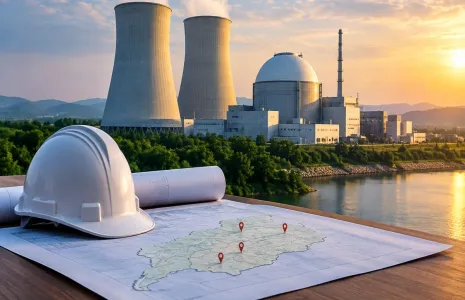
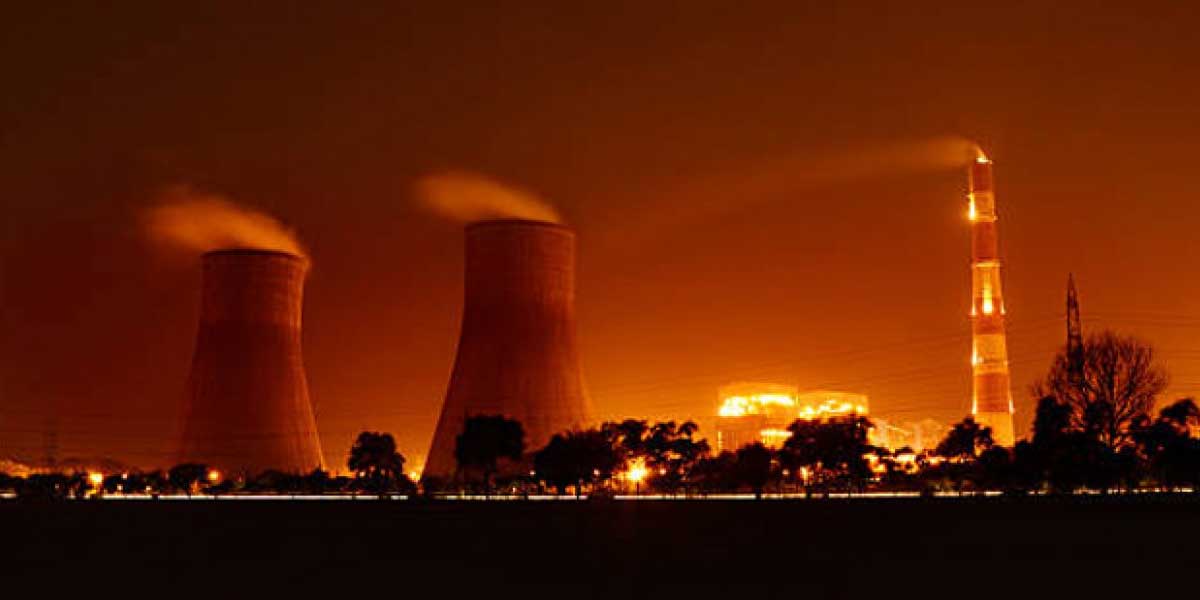
India plans to commission 20 nuclear power plants by 2031, adding nearly 15,000 MW of power generating capacity, Minister of State in the Prime Minister’s Office (PMO) Jitendra Singh told the Lok Sabha this week.

The first of the plants, a 700 MW unit, is expected to be commissioned in 2023 at Kakrapar in Gujarat, which already has three operational atomic power generating units. The 500 MW prototype fast breeder reactor at Kalpakkam is likely to be operational in 2024, followed by two 1,000 MW units at Kudankulam in 2025.

Two 700 MW units at Rawatbhata in Rajasthan are likely to be completed by 2026, while another two 1,000 MW units are likely to be completed at Kudankulam by 2027. Two 700 MW units are expected to be completed at Gorakhpur in Haryana by 2029.

In addition, the government has accorded administrative approvals and financial sanctions for building 10 atomic power units of 700 MW each at Gorakhpur, Haryana; Kaiga, Karnataka; Chutka, Madhya Pradesh; and four units at Mahi Banswara in Rajasthan. These 10 nuclear power units are likely to be completed progressively by 2031, Singh said.

In reply to a separate question, Singh said the Kudankulam Nuclear Power Project (units 1 and 2) had contributed 48,382 million units of electricity to the national grid between 2017-18 and 2021-22.

See also:
NTPC crosses 1 GW annual capacity mark in RE segment
Indian state-run power companies close to buying Lanco asset


India plans to commission 20 nuclear power plants by 2031, adding nearly 15,000 MW of power generating capacity, Minister of State in the Prime Minister’s Office (PMO) Jitendra Singh told the Lok Sabha this week. The first of the plants, a 700 MW unit, is expected to be commissioned in 2023 at Kakrapar in Gujarat, which already has three operational atomic power generating units. The 500 MW prototype fast breeder reactor at Kalpakkam is likely to be operational in 2024, followed by two 1,000 MW units at Kudankulam in 2025. Two 700 MW units at Rawatbhata in Rajasthan are likely to be completed by 2026, while another two 1,000 MW units are likely to be completed at Kudankulam by 2027. Two 700 MW units are expected to be completed at Gorakhpur in Haryana by 2029. In addition, the government has accorded administrative approvals and financial sanctions for building 10 atomic power units of 700 MW each at Gorakhpur, Haryana; Kaiga, Karnataka; Chutka, Madhya Pradesh; and four units at Mahi Banswara in Rajasthan. These 10 nuclear power units are likely to be completed progressively by 2031, Singh said. In reply to a separate question, Singh said the Kudankulam Nuclear Power Project (units 1 and 2) had contributed 48,382 million units of electricity to the national grid between 2017-18 and 2021-22. See also: NTPC crosses 1 GW annual capacity mark in RE segmentIndian state-run power companies close to buying Lanco asset

Related Stories

Gold Stories

Next Story
Infrastructure Urban

KONE Opens India's First Digital Experience Centre in Pune

KONE, a global elevator and escalator manufacturer, has inaugurated its first Digital Experience Centre (DEC) in India, located in Pune. The facility aims to showcase how artificial intelligence (AI), connectivity and data-driven technologies can enhance customer experiences and improve building operations.The centre was inaugurated by Jussi Herlin, Executive Vice Chair, KONE Corporation; Philippe Delorme, President and CEO, KONE; and Nandan Nilekani, Co-founder and Chairman of the Board, Infosys.Designed as an interactive customer environment, the facility demonstrates digital solutions cover..

Next Story
Infrastructure Urban

CII GreenCo Launches Circularity Guidelines for Indian Industry

The Confederation of Indian Industry (CII) GreenCo Council has launched the CII GreenCo Circularity Guidelines – Pilot Version at the 17th CII GreenCo Waste & Resource Management Summit 2026 in Chennai. The initiative aims to strengthen resource efficiency, waste reduction and circular economy practices across Indian manufacturing and process industries.The guidelines introduce a structured framework with circularity indices covering raw materials, consumables, packaging and other resource inputs. These indicators will help industries assess existing practices, identify opportunities to ..

Next Story
Infrastructure Energy

Global Electronics Association Launches IPC-1783-CO2E Standard

The Global Electronics Association has introduced IPC-1783-CO2E, a new international standard aimed at improving consistency, transparency and comparability in product carbon footprint reporting across the electronics manufacturing industry.The standard, titled International Standard for Data Collection and Reporting of CO2 Equivalent (CO2e) Emissions for the Electronics Manufacturing Supply Chain, provides industry-specific guidance for collecting, estimating and reporting carbon emissions data.With increasing regulatory requirements and customer expectations, electronics manufacturers face c..

Advertisement

Subscribe to Our Newsletter

Get daily newsletters around different themes from Construction world.

STAY CONNECTED

Advertisement

SPECIAL OFFER
QR Code