Domestic Firms Choose Locally Designed Reactors to Cut Delays
ECONOMY & POLICY

Domestic Firms Choose Locally Designed Reactors to Cut Delays

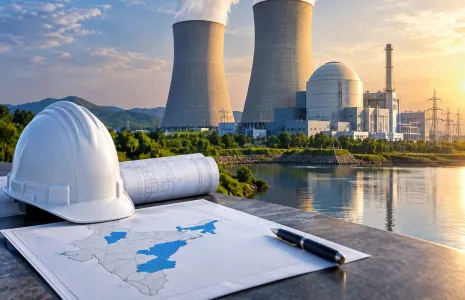
Domestic companies in the nuclear sector are choosing locally designed reactors to avoid time consuming approvals and supply chain bottlenecks that can delay project execution. The shift reflects an emphasis on reducing dependence on foreign designs and accelerating construction schedules by aligning design, manufacturing and regulatory processes within national frameworks. Industry participants expect that locally designed systems will allow closer coordination with regulators and vendors, shortening lead times for certification and component delivery.

Localisation is projected to stimulate the domestic manufacturing base by creating demand for specialised components and engineering services. Firms undertaking homegrown reactor projects are restructuring procurement strategies to prioritise local content and to develop engineering capabilities that can meet nuclear standards. This approach is intended to mitigate risks associated with international logistics, export controls and technology transfer timelines that have previously slowed projects.

Regulatory agencies will still require detailed safety assessments and testing for new designs, which companies acknowledge will remain rigorous and are factored into schedules. However, proponents argue that design ownership and proximity to testing facilities will reduce iterative cycles of modification and clarification with overseas vendors. The strategy also aims to preserve strategic autonomy in nuclear infrastructure and to capture value in the domestic supply chain through sustained construction and maintenance activity.

Observers say success will depend on investment in research and development, workforce training and sustained policy support to align standards and certification processes. With those enablers secured, locally designed reactors will deliver more predictable timelines for capacity expansion and bolster energy security objectives in the medium term.

Stakeholders note that while upfront investment in design and certification is significant, lifecycle cost efficiencies and domestic job creation can improve project economics. Policy measures and targeted finance instruments can support firms in managing initial costs and sustaining long term supply chain development.

Domestic companies in the nuclear sector are choosing locally designed reactors to avoid time consuming approvals and supply chain bottlenecks that can delay project execution. The shift reflects an emphasis on reducing dependence on foreign designs and accelerating construction schedules by aligning design, manufacturing and regulatory processes within national frameworks. Industry participants expect that locally designed systems will allow closer coordination with regulators and vendors, shortening lead times for certification and component delivery. Localisation is projected to stimulate the domestic manufacturing base by creating demand for specialised components and engineering services. Firms undertaking homegrown reactor projects are restructuring procurement strategies to prioritise local content and to develop engineering capabilities that can meet nuclear standards. This approach is intended to mitigate risks associated with international logistics, export controls and technology transfer timelines that have previously slowed projects. Regulatory agencies will still require detailed safety assessments and testing for new designs, which companies acknowledge will remain rigorous and are factored into schedules. However, proponents argue that design ownership and proximity to testing facilities will reduce iterative cycles of modification and clarification with overseas vendors. The strategy also aims to preserve strategic autonomy in nuclear infrastructure and to capture value in the domestic supply chain through sustained construction and maintenance activity. Observers say success will depend on investment in research and development, workforce training and sustained policy support to align standards and certification processes. With those enablers secured, locally designed reactors will deliver more predictable timelines for capacity expansion and bolster energy security objectives in the medium term. Stakeholders note that while upfront investment in design and certification is significant, lifecycle cost efficiencies and domestic job creation can improve project economics. Policy measures and targeted finance instruments can support firms in managing initial costs and sustaining long term supply chain development.

Related Stories

Gold Stories

Next Story
Real Estate

Gradiant expands Coimbatore engineering centre

Gradiant has expanded its Global Engineering Center (GEC) in Coimbatore, more than doubling its engineering workforce from approximately 100 to over 200 professionals as it strengthens its global project execution capabilities.The expanded centre will bring together multidisciplinary expertise across process engineering, detailed design and project engineering, enabling the India team to take on greater responsibility for the engineering and design of Gradiant’s international projects.According to Govind Alagappan, COO, Gradiant, Coimbatore’s engineering talent and industrial heritage make..

Advertisement

Subscribe to Our Newsletter

Get daily newsletters around different themes from Construction world.

STAY CONNECTED

Advertisement