India to Add Up to 274 GW Renewable Capacity by FY31
POWER & RENEWABLE ENERGY

India to Add Up to 274 GW Renewable Capacity by FY31

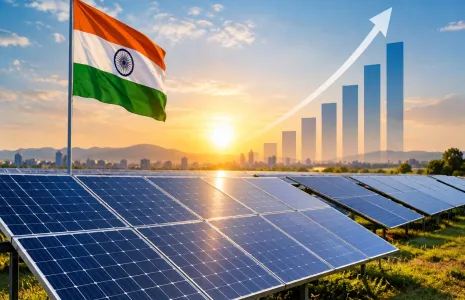
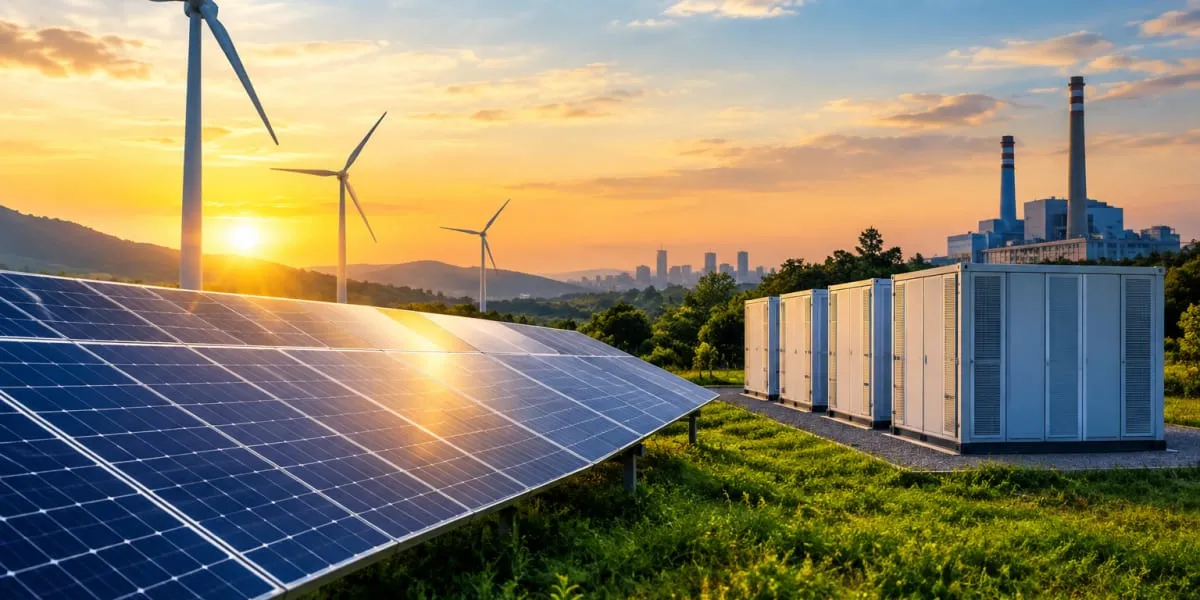
India is projected to add 264 to 274 GW of renewable energy capacity and 50 to 55 GW of energy storage between FY27 and FY31, taking total installed power capacity from about 533 GW in FY26 to 835 to 845 GW by FY31. Clean energy, excluding large hydro, is expected to account for more than 80 per cent of new generation additions during the period.

Renewables are projected to account for 52 to 57 per cent of India’s overall power mix by FY31. Thermal capacity is forecast to increase by 35 to 40 GW, while hydro and nuclear capacity are expected to expand by 5 to 10 GW and 4 to 6 GW, respectively. Favourable economics and capital inflows are expected to support continued green energy growth alongside these additions.

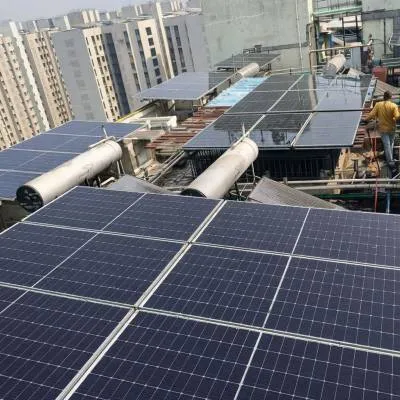
Solar installations will lead capacity expansion, with 230 to 250 GW expected from utility-scale projects, rooftop systems and corporate open-access routes. Rooftop installations are projected at 50 to 60 GW, while corporate open-access projects could contribute 35 to 45 GW. Wind capacity is expected to rise by 30 to 31 GW through competitive bids and 14 to 15 GW through open access.

Procurement is shifting from standalone projects towards hybrid models, which increased from 31.68 per cent of utility auctions in FY21 to 86.94 per cent in FY26. Battery storage tariffs also declined from Rs. 10.18 per unit in FY23 to Rs. 2.1 per unit without viability gap funding in FY26, supporting wider storage deployment.

Meeting annual electricity demand growth of 5.5 to 6 per cent and peak loads of 335 to 345 GW by FY31 will require Rs. 3.7 to 4.2 tn of investment between FY27 and FY31. Generation is expected to receive Rs. 2.7 to 3.2 tn, with renewables accounting for 54 per cent of generation capital, while transmission and distribution could each attract Rs. 400 to 500 bn. Connectivity remains a constraint, as available margins at interstate transmission system substations stood at 32 GW as of August 31, 2025, against projected renewable commissioning of 75 to 80 GW.

India is projected to add 264 to 274 GW of renewable energy capacity and 50 to 55 GW of energy storage between FY27 and FY31, taking total installed power capacity from about 533 GW in FY26 to 835 to 845 GW by FY31. Clean energy, excluding large hydro, is expected to account for more than 80 per cent of new generation additions during the period. Renewables are projected to account for 52 to 57 per cent of India’s overall power mix by FY31. Thermal capacity is forecast to increase by 35 to 40 GW, while hydro and nuclear capacity are expected to expand by 5 to 10 GW and 4 to 6 GW, respectively. Favourable economics and capital inflows are expected to support continued green energy growth alongside these additions. Solar installations will lead capacity expansion, with 230 to 250 GW expected from utility-scale projects, rooftop systems and corporate open-access routes. Rooftop installations are projected at 50 to 60 GW, while corporate open-access projects could contribute 35 to 45 GW. Wind capacity is expected to rise by 30 to 31 GW through competitive bids and 14 to 15 GW through open access. Procurement is shifting from standalone projects towards hybrid models, which increased from 31.68 per cent of utility auctions in FY21 to 86.94 per cent in FY26. Battery storage tariffs also declined from Rs. 10.18 per unit in FY23 to Rs. 2.1 per unit without viability gap funding in FY26, supporting wider storage deployment. Meeting annual electricity demand growth of 5.5 to 6 per cent and peak loads of 335 to 345 GW by FY31 will require Rs. 3.7 to 4.2 tn of investment between FY27 and FY31. Generation is expected to receive Rs. 2.7 to 3.2 tn, with renewables accounting for 54 per cent of generation capital, while transmission and distribution could each attract Rs. 400 to 500 bn. Connectivity remains a constraint, as available margins at interstate transmission system substations stood at 32 GW as of August 31, 2025, against projected renewable commissioning of 75 to 80 GW.

Related Stories

Gold Stories

Next Story
Infrastructure Energy

JSW Motors Signs MoU with ARAI for Vehicle Development

JSW Motors, the passenger vehicle arm of JSW Group, has signed a memorandum of understanding (MoU) with the Automotive Research Association of India (ARAI) for technical collaboration on the design, validation and localisation of new energy vehicles (NEVs). The agreement is intended to create technical foundations for vehicles designed for Indian operating conditions. The companies will work on vehicle engineering and technical baselines, testing, validation and performance assessment, according to JSW Motors. Their programme will also cover advanced driver assistance systems (ADAS), battery s..

Next Story
Infrastructure Urban

Karnataka Offers Support for Toyota Expansion Plans

Karnataka Chief Minister D K Shivakumar assured Toyota Motor Corporation of the state government’s support for expanding its manufacturing operations during a meeting with the company’s senior leadership in Japan. The discussions covered higher production, new mobility solutions and further investment in Karnataka, as Toyota looks to increase vehicle production capacity to 1 mn in the near future. Shivakumar was accompanied by M B Patil, Karnataka’s Minister for Large and Medium Industries and Infrastructure Development. The Toyota delegation was led by Masakazu Yoshimura, the company’..
Next Story
Infrastructure Transport

Railways to Begin Bullet Train Trial on Surat-Bilimora Section

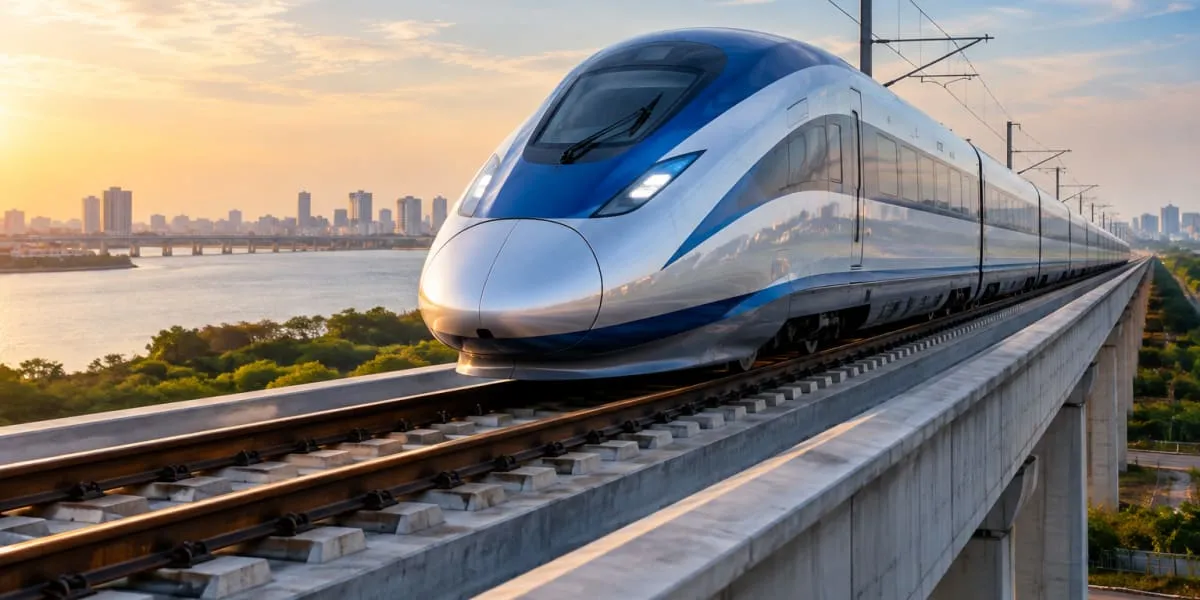
Indian Railways will begin a trial run of its bullet train service on the 50 km Surat-Bilimora section by May 2027. The section is part of the Mumbai-Ahmedabad high-speed rail corridor and is expected to provide the first operational segment of the project. The trial will use an indigenous trainset capable of travelling at 280 km per hour. Railway Ministry sources said the first section of the corridor, extending from Surat to Vapi, is scheduled to become operational by the end of 2027. The planned trial marks a step towards introducing high-speed rail services on the corridor, which connects ..

Subscribe to Our Newsletter

Get daily newsletters around different themes from Construction world.

STAY CONNECTED

Advertisement

SPECIAL OFFER
QR Code