India’s Energy Market Can Support Nepal’s Prosperity, Says Modi
POWER & RENEWABLE ENERGY

India’s Energy Market Can Support Nepal’s Prosperity, Says Modi

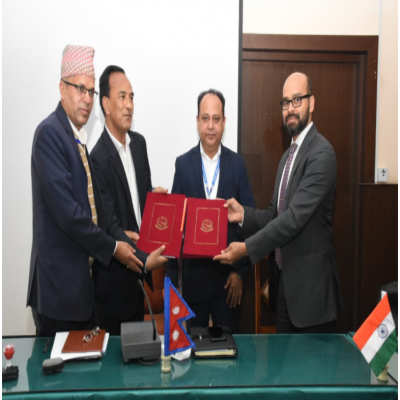
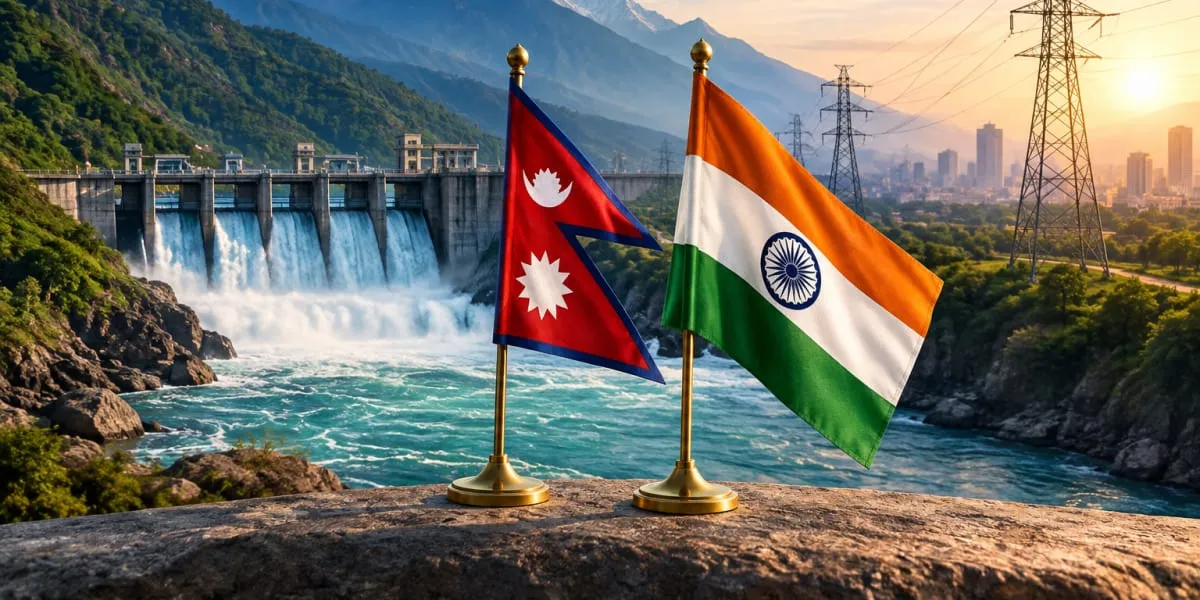
Prime Minister Narendra Modi said Nepal’s hydropower potential, combined with access to India’s energy market, could support the country’s long-term economic prosperity. He made the remarks after bilateral discussions with Nepalese Prime Minister Balendra Shah at Hyderabad House in New Delhi on Monday.

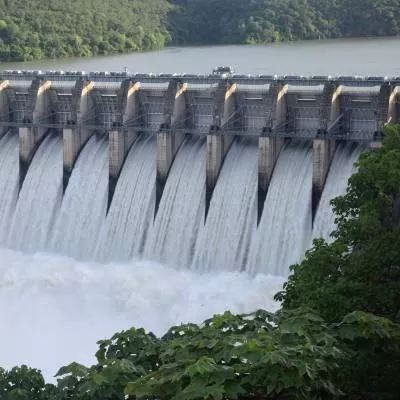
Modi highlighted the groundbreaking of the 669 MW Lower Arun Hydroelectric Project and India’s commitment to completing the Arun-3 project on schedule as key elements of the countries’ energy partnership. He said Nepal’s rivers offered substantial clean-energy potential that could be developed alongside India’s large market.

The discussions also focused on fuel and essential supplies. Modi said India had maintained uninterrupted supplies of petroleum products, fertiliser and other essential goods to Nepal despite severe challenges in oil supply during the year, under its Neighbourhood First policy.

The two leaders dedicated Phase 2 of the Motihari–Amlekhgunj Pipeline and laid the foundation stone for a petroleum terminal at Jhapa. The terminal is part of the proposed Siliguri–Jhapa petroleum pipeline and is intended to strengthen cross-border fuel infrastructure and supply reliability.

The initiatives were announced alongside a Joint Vision Document focused on the shared objectives of Viksit Bharat and Samunnat Nepal. During Shah’s state visit, the leaders also jointly inaugurated or launched six cross-border connectivity, energy and infrastructure projects. India and Nepal signed eight Memorandums of Understanding covering space technology, security training, civil service capacity building, health, traditional medicine, sustainable urban development and agriculture.

Prime Minister Narendra Modi said Nepal’s hydropower potential, combined with access to India’s energy market, could support the country’s long-term economic prosperity. He made the remarks after bilateral discussions with Nepalese Prime Minister Balendra Shah at Hyderabad House in New Delhi on Monday. Modi highlighted the groundbreaking of the 669 MW Lower Arun Hydroelectric Project and India’s commitment to completing the Arun-3 project on schedule as key elements of the countries’ energy partnership. He said Nepal’s rivers offered substantial clean-energy potential that could be developed alongside India’s large market. The discussions also focused on fuel and essential supplies. Modi said India had maintained uninterrupted supplies of petroleum products, fertiliser and other essential goods to Nepal despite severe challenges in oil supply during the year, under its Neighbourhood First policy. The two leaders dedicated Phase 2 of the Motihari–Amlekhgunj Pipeline and laid the foundation stone for a petroleum terminal at Jhapa. The terminal is part of the proposed Siliguri–Jhapa petroleum pipeline and is intended to strengthen cross-border fuel infrastructure and supply reliability. The initiatives were announced alongside a Joint Vision Document focused on the shared objectives of Viksit Bharat and Samunnat Nepal. During Shah’s state visit, the leaders also jointly inaugurated or launched six cross-border connectivity, energy and infrastructure projects. India and Nepal signed eight Memorandums of Understanding covering space technology, security training, civil service capacity building, health, traditional medicine, sustainable urban development and agriculture.

Related Stories

Gold Stories

Next Story
Infrastructure Energy

JSW Motors Signs MoU with ARAI for Vehicle Development

JSW Motors, the passenger vehicle arm of JSW Group, has signed a memorandum of understanding (MoU) with the Automotive Research Association of India (ARAI) for technical collaboration on the design, validation and localisation of new energy vehicles (NEVs). The agreement is intended to create technical foundations for vehicles designed for Indian operating conditions. The companies will work on vehicle engineering and technical baselines, testing, validation and performance assessment, according to JSW Motors. Their programme will also cover advanced driver assistance systems (ADAS), battery s..

Next Story
Infrastructure Urban

Karnataka Offers Support for Toyota Expansion Plans

Karnataka Chief Minister D K Shivakumar assured Toyota Motor Corporation of the state government’s support for expanding its manufacturing operations during a meeting with the company’s senior leadership in Japan. The discussions covered higher production, new mobility solutions and further investment in Karnataka, as Toyota looks to increase vehicle production capacity to 1 mn in the near future. Shivakumar was accompanied by M B Patil, Karnataka’s Minister for Large and Medium Industries and Infrastructure Development. The Toyota delegation was led by Masakazu Yoshimura, the company’..
Next Story
Infrastructure Transport

Railways to Begin Bullet Train Trial on Surat-Bilimora Section

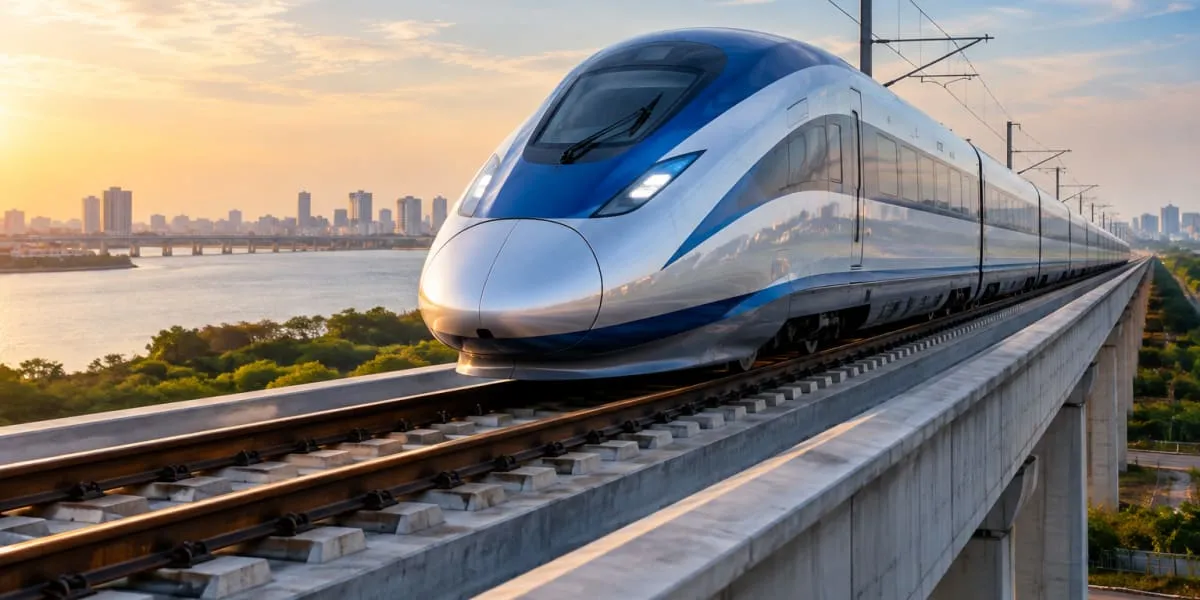
Indian Railways will begin a trial run of its bullet train service on the 50 km Surat-Bilimora section by May 2027. The section is part of the Mumbai-Ahmedabad high-speed rail corridor and is expected to provide the first operational segment of the project. The trial will use an indigenous trainset capable of travelling at 280 km per hour. Railway Ministry sources said the first section of the corridor, extending from Surat to Vapi, is scheduled to become operational by the end of 2027. The planned trial marks a step towards introducing high-speed rail services on the corridor, which connects ..

Subscribe to Our Newsletter

Get daily newsletters around different themes from Construction world.

STAY CONNECTED

Advertisement

SPECIAL OFFER
QR Code