India’s Power Grid Crosses 500,000 Circuit Kilometres Milestone
POWER & RENEWABLE ENERGY

India’s Power Grid Crosses 500,000 Circuit Kilometres Milestone

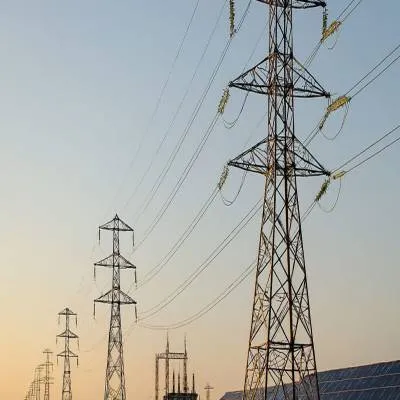
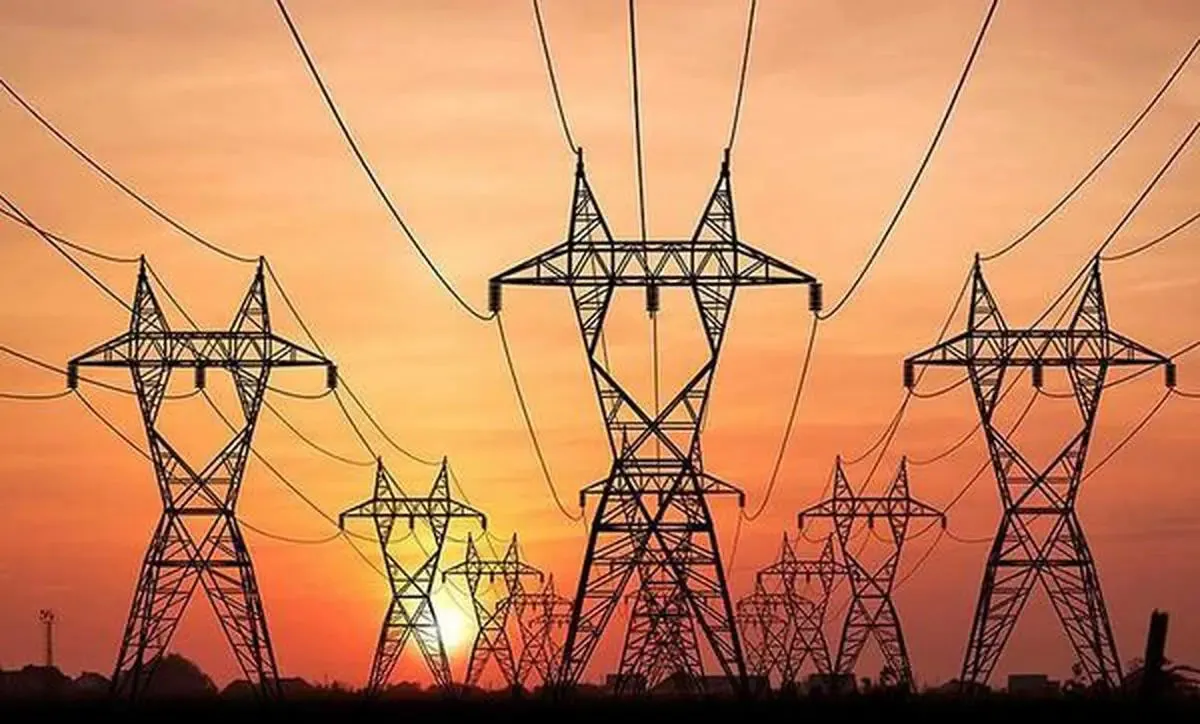
India’s national power transmission network has ?????? achieved a major milestone, crossing more than 500,000 circuit kilometres (ckm) of transmission lines at 220 kV and above, along with 1,407 GVA of transformation capacity at 220 kV and above. The world’s largest synchronous national grid reached this landmark on January 14, 2026, with the commissioning of a 628 ckm, 765 kV transmission line from Bhadla II to Sikar II substation for the evacuation of renewable energy from the Rajasthan Renewable Energy Zone.

With the commissioning of this transmission line, an additional 1,100 MW of power can now be evacuated from the renewable energy zones of Bhadla, Ramgarh and the Fatehgarh Solar Power Complex, strengthening grid integration for large-scale clean energy generation in the region.

Since April 2014, India’s transmission network has expanded by 71.6 per cent, with the addition of around 209,000 ckm of transmission lines (220 kV and above), while transformation capacity has increased by 876 GVA. This rapid expansion has significantly strengthened the country’s power infrastructure and enhanced grid reliability.

The inter-regional power transfer capacity now stands at 120,340 MW, enabling seamless electricity flow across regions and successfully realising the vision of “One Nation – One Grid – One Frequency”. The continued expansion of transmission capacity will play a critical role in evacuating rising non-fossil power generation, supporting India’s target of achieving 500 GW of non-fossil energy capacity by 2030.

The milestone reflects India’s strategic focus on building a resilient, future-ready power grid capable of supporting large-scale renewable energy integration and long-term energy security.

India’s national power transmission network has ?????? achieved a major milestone, crossing more than 500,000 circuit kilometres (ckm) of transmission lines at 220 kV and above, along with 1,407 GVA of transformation capacity at 220 kV and above. The world’s largest synchronous national grid reached this landmark on January 14, 2026, with the commissioning of a 628 ckm, 765 kV transmission line from Bhadla II to Sikar II substation for the evacuation of renewable energy from the Rajasthan Renewable Energy Zone. With the commissioning of this transmission line, an additional 1,100 MW of power can now be evacuated from the renewable energy zones of Bhadla, Ramgarh and the Fatehgarh Solar Power Complex, strengthening grid integration for large-scale clean energy generation in the region. Since April 2014, India’s transmission network has expanded by 71.6 per cent, with the addition of around 209,000 ckm of transmission lines (220 kV and above), while transformation capacity has increased by 876 GVA. This rapid expansion has significantly strengthened the country’s power infrastructure and enhanced grid reliability. The inter-regional power transfer capacity now stands at 120,340 MW, enabling seamless electricity flow across regions and successfully realising the vision of “One Nation – One Grid – One Frequency”. The continued expansion of transmission capacity will play a critical role in evacuating rising non-fossil power generation, supporting India’s target of achieving 500 GW of non-fossil energy capacity by 2030. The milestone reflects India’s strategic focus on building a resilient, future-ready power grid capable of supporting large-scale renewable energy integration and long-term energy security.

Next Story
Real Estate

A Paradigm Shift

The Indian real-estate and construction sector, which employs a significant number of organised and unorganised workers in the country, has embarked on a paradigm shift in its regulatory framework from an employment law perspective. With the four Labour Codes – the Code on Wages, 2019 (Wage Code); the Industrial Relations Code, 2020 (IR Code); the Code on Social Security, 2020 (SS Code) and the Occupational Safety, Health and Working Conditions Code, 2020 (OSH Code) – coming into effect in India from November 21, 2025, the industry is shifting away from a fragmented, contractor- driven com..

Next Story
Technology

We offer end-to-end traceability at scale

mjunction has evolved from an e-auction pioneer into a multi-vertical digital commerce platform with deep expertise in complex steel and coal supply chains. Its end-to-end, AI-led architecture focuses on price discovery, traceability, compliance and scalability, enabling transparent procurement, efficient logistics and data-driven decision-making across geographies. Vinaya Varma, MD, shares more about the company in conversation with CW.From a technology standpoint, what are the core USPs of mjunction today that differentiate it in steel and coal supply chains?mjunction has evolved b..

Next Story
Infrastructure Urban

Henkel, Rotary Recycle PoP Ganesha Idols Under Project HARMONY

Henkel India, in partnership with the Rotary Club of Navi Mumbai – Joy of Giving and with support from the Navi Mumbai Municipal Corporation (NMMC), has advanced circular sustainability through Project HARMONY by recycling Plaster of Paris (PoP) Ganesha idols into community learning assets. The initiative highlights an integrated approach to environmental restoration and social impact.As part of the project, materials collected after Ganesh Visarjan 2025 at Nerul were responsibly diverted from land and water bodies and processed at an authorised recycling facility, with on-ground execution s..

Advertisement

Subscribe to Our Newsletter

Get daily newsletters around different themes from Construction world.

STAY CONNECTED

Advertisement

Advertisement

Advertisement

Advertisement

Open In App