JSW to Set Up Wind Turbine Blade Manufacturing Unit in Karnataka
POWER & RENEWABLE ENERGY

JSW to Set Up Wind Turbine Blade Manufacturing Unit in Karnataka

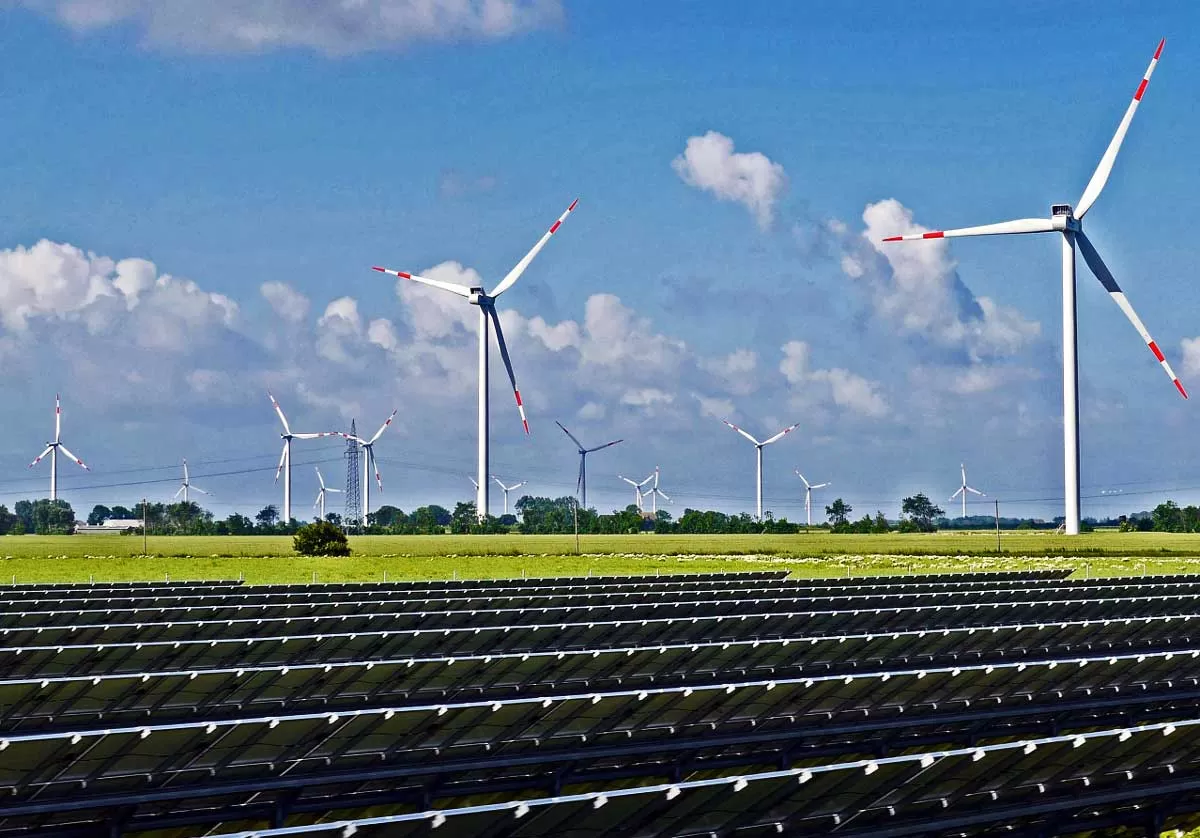
JSW Energy, led by Sajjan Jindal, is planning to establish a wind turbine blade manufacturing unit in Karnataka. This plant is being set up for the company’s captive use, meaning it will manufacture blades primarily for its own wind energy projects, thereby reducing dependency on imports and ensuring a steady supply of wind turbine generators (WTGs). This move is expected to bring significant cost savings in renewable energy projects, which typically involve hefty investments—around $50 million—to assemble 400-500 turbines annually.

JSW operates its 12.5 million tonnes per annum steel manufacturing unit in Vijayanagar, Karnataka, where surplus land is available for the new WTG manufacturing facility. Additionally, the company runs a 225 MW solar power plant near Vijayanagar, primarily for the use of its steel plant. Earlier this year, JSW Renewable Technologies, a subsidiary of JSW Neo Energy, entered into a licensing agreement with China's Sany Renewable Energy for the production of 3.6 MW wind turbine generators in India.

Despite this partnership, JSW Energy has opted to procure 4 MW WTGs from Sany, and discussions about purchasing 5 MW turbines are currently in the preliminary stages. This development aligns with the growing demand for larger turbines, as many sites in India are more suited to 3-4 MW turbines, but constraints often push companies to choose larger units like 5 MW turbines.

JSW Energy, led by Sajjan Jindal, is planning to establish a wind turbine blade manufacturing unit in Karnataka. This plant is being set up for the company’s captive use, meaning it will manufacture blades primarily for its own wind energy projects, thereby reducing dependency on imports and ensuring a steady supply of wind turbine generators (WTGs). This move is expected to bring significant cost savings in renewable energy projects, which typically involve hefty investments—around $50 million—to assemble 400-500 turbines annually. JSW operates its 12.5 million tonnes per annum steel manufacturing unit in Vijayanagar, Karnataka, where surplus land is available for the new WTG manufacturing facility. Additionally, the company runs a 225 MW solar power plant near Vijayanagar, primarily for the use of its steel plant. Earlier this year, JSW Renewable Technologies, a subsidiary of JSW Neo Energy, entered into a licensing agreement with China's Sany Renewable Energy for the production of 3.6 MW wind turbine generators in India. Despite this partnership, JSW Energy has opted to procure 4 MW WTGs from Sany, and discussions about purchasing 5 MW turbines are currently in the preliminary stages. This development aligns with the growing demand for larger turbines, as many sites in India are more suited to 3-4 MW turbines, but constraints often push companies to choose larger units like 5 MW turbines.

Next Story
Infrastructure Urban

Panasonic Showcases Connected Display Solutions

Panasonic Life Solutions India showcased its integrated display, projection, broadcast and communication technologies at Panasonic Tech Summit 2026 in New Delhi. Hosted through its System Solutions Division, the two-day event highlighted connected technology solutions for education, healthcare, retail, transportation, corporate offices and entertainment.The summit, themed ‘Turning Technology into Value’, featured experience-led zones covering QSR, retail, transit, corporate offices, healthcare, education, security, projection, home theatre and professional displays. Panasonic also introduc..

Next Story
Infrastructure Transport

Kapsch to Deliver India’s First C-ITS Project

"Kapsch TrafficCom will deliver India’s first Cooperative Intelligent Transport Systems project on a key expressway near New Delhi. The project will be implemented with Superwave Communication And Infrasolution Limited to demonstrate how connected mobility can improve road safety and traffic efficiency.The pilot will use real-time connectivity and AI-enabled situational awareness to support road users, especially in high-risk areas such as temporary work zones. Drivers will receive alerts on roadworks, maintenance vehicles, hazardous locations, traffic queues and temporary virtual signage di..

Next Story
Infrastructure Urban

Eurobond Net Profit Rises 44 Per Cent

Euro Panel Products, the parent company of Eurobond, reported a 44.13 per cent year-on-year rise in net profit for FY25–26. The company’s revenue from operations grew 18.91 per cent to Rs 503.20 crore, compared to Rs 423.18 crore in the previous financial year.The company’s full-year EBITDA stood at Rs 56.67 crore, marking a 31.82 per cent increase. Profit after tax rose to Rs 26.56 crore, while net worth increased 20.15 per cent to Rs 160.07 crore. Earnings per share for the year stood at Rs 10.84.Divyam Rajesh Shah, Whole Time Director and CFO, Euro Panel Products, said the company’s..

Advertisement

Subscribe to Our Newsletter

Get daily newsletters around different themes from Construction world.

STAY CONNECTED

Advertisement

Advertisement

Advertisement

-->