Keralam Faces Uncertain Power Shortage as Reservoirs Fall to 28 per cent
POWER & RENEWABLE ENERGY

Keralam Faces Uncertain Power Shortage as Reservoirs Fall to 28 per cent

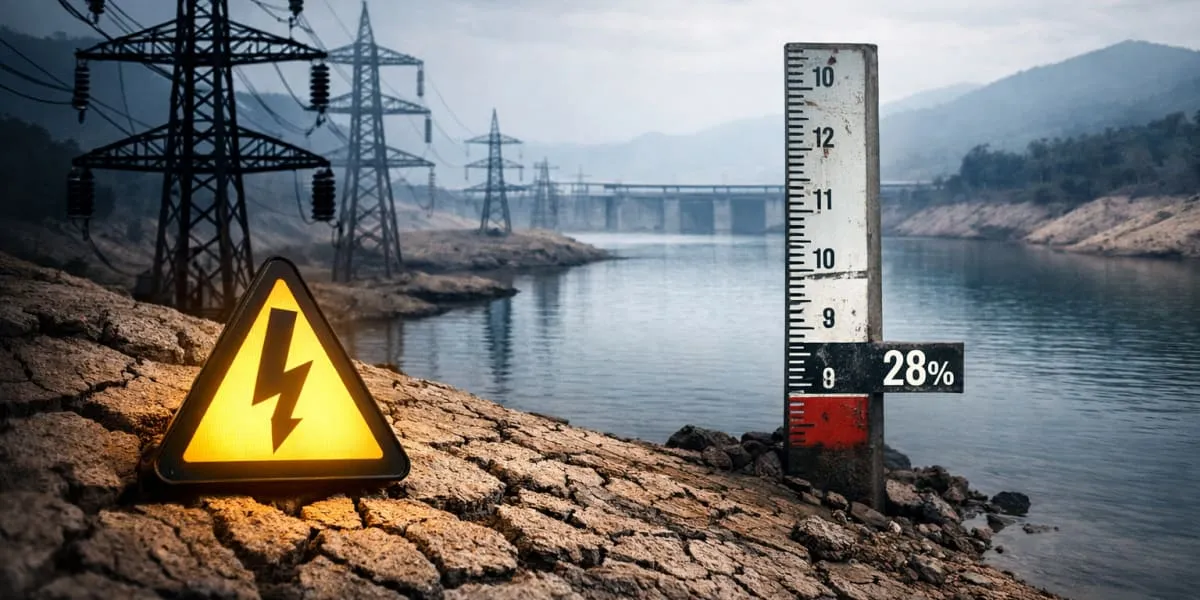
Keralam's minister for electricity said it was not possible to predict how long the current power crisis would continue, citing a sharp rise in electricity consumption and a decline in reservoir water levels to 28 per cent. He indicated that the state leadership was examining legal options to restore long-term power purchase agreements to secure supply and was repaying power borrowed from other states during the shortage. The minister framed the situation as uncertain and contingent on demand and hydrological conditions.

Officials added that the government was seeking additional electricity through short-term contracts despite higher anticipated costs and had sought permission from the Electricity Regulatory Commission to proceed. The state was prepared to incur elevated procurement costs to stabilise supply in the near term. Authorities characterised these moves as necessary contingency measures.

The developments come amid rising demand and sharply reduced reservoir storage, a chief source for the state's hydropower generation. Reduced inflows have constrained domestic output and complicated planning for supply adequacy.

The Communist Party of India (Marxist) in Keralam attributed the shortage to planning failures by the state administration, saying widespread load shedding had returned after a decade. The party noted that expected rainfall failed to materialise, borrowed power had to be returned and availability in power exchanges had declined. It also cited water storage in Kerala State Electricity Board dams at 28 per cent and domestic generation at 24 million units (mn units) against consumption of 86.46 mn units.

Party sources added that the state was managing the gap through central allocations and costly power purchase agreements. Officials said efforts to secure contracts, legal remedies and repayment of borrowed energy were underway, while the duration of the crisis remained uncertain.

Keralam's minister for electricity said it was not possible to predict how long the current power crisis would continue, citing a sharp rise in electricity consumption and a decline in reservoir water levels to 28 per cent. He indicated that the state leadership was examining legal options to restore long-term power purchase agreements to secure supply and was repaying power borrowed from other states during the shortage. The minister framed the situation as uncertain and contingent on demand and hydrological conditions. Officials added that the government was seeking additional electricity through short-term contracts despite higher anticipated costs and had sought permission from the Electricity Regulatory Commission to proceed. The state was prepared to incur elevated procurement costs to stabilise supply in the near term. Authorities characterised these moves as necessary contingency measures. The developments come amid rising demand and sharply reduced reservoir storage, a chief source for the state's hydropower generation. Reduced inflows have constrained domestic output and complicated planning for supply adequacy. The Communist Party of India (Marxist) in Keralam attributed the shortage to planning failures by the state administration, saying widespread load shedding had returned after a decade. The party noted that expected rainfall failed to materialise, borrowed power had to be returned and availability in power exchanges had declined. It also cited water storage in Kerala State Electricity Board dams at 28 per cent and domestic generation at 24 million units (mn units) against consumption of 86.46 mn units. Party sources added that the state was managing the gap through central allocations and costly power purchase agreements. Officials said efforts to secure contracts, legal remedies and repayment of borrowed energy were underway, while the duration of the crisis remained uncertain.

Related Stories

Gold Stories

Next Story
Resources

Schindler named among Forbes’ World’s Best Employers 2026

Schindler has been named among Forbes’ World’s Best Employers 2026, a global ranking recognising companies for their workplace environments.Compiled by Forbes in partnership with Statista, the ranking is based on independent employee feedback, including whether employees would recommend their organisation to friends and family.The company said the recognition reflected its focus on creating a workplace where employees can develop their expertise and build careers. ..
Next Story
Infrastructure Urban

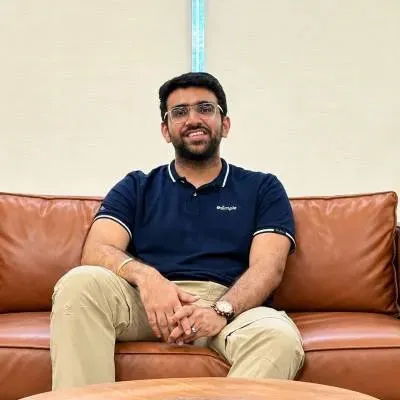
India needs an export-execution mindset: Vishesh Jain

Interview with Vishesh Jain, Founder & CEO, EximpleWhat gaps in India’s global trade ecosystem led you to build Eximple, and what problem did you see businesses struggling with most?Eximple came out of a problem that all three founders had seen from different choke points in the trade ecosystem. India has millions of MSMEs and manufacturers, and many of them can make products that are genuinely competitive on quality. Yet only a small fraction is able to build meaningful international businesses. In our experience, the gap is usually not manufacturing capability; it is the ability to exe..

Next Story
Building Material

Nuvoco reports 13.5% revenue growth in Q2 FY27

Nuvoco Vistas Corp. Ltd. reported consolidated revenue of Rs 27.9 billion for Q2 FY27, up 13.5% year on year. Cement sales volume rose 9% to 4.7 million tonnes (MMT), while EBITDA increased 11% to Rs 4.11 billion.The company said it began its cement operations in 2014 with a 2.3 MMT per annum (MMTPA) operation at Nimbol. It now aims to reach 35 MMTPA of cement capacity by FY28, nearly 15 times its initial capacity. Its portfolio spans cement, ready-mix concrete and modern building materials.On sustainability and cost efficiency, Nuvoco partnered with CleanMax for a 46.4 MW wind-solar hybrid re..

Advertisement

Subscribe to Our Newsletter

Get daily newsletters around different themes from Construction world.

STAY CONNECTED

Advertisement

SPECIAL OFFER
QR Code