Power Demand Seen Reaching 300 GW Next Year
POWER & RENEWABLE ENERGY

Power Demand Seen Reaching 300 GW Next Year

Union power minister Manohar Lal said India’s peak power demand is expected to reach 300 gigawatt (GW) next year, driven by expansion of data centres, artificial intelligence and electric vehicles, urging large-scale energy storage and domestic manufacturing to secure the clean energy transition. He underlined the strategic need to invest in storage technologies and to build local supply chains to reduce import dependence.

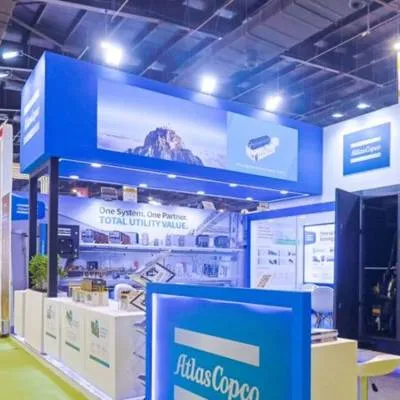
Speaking at the 12th India Energy Storage Week at Yashobhoomi in New Delhi, the minister noted that peak demand has already hit 271 GW while available capacity has grown to 284 GW, which allows current needs to be met. He said the pace of electrification makes preparing for a 300 GW peak essential for planning and grid resilience. Officials added that meeting the higher peak will require coordinated expansion of generation, storage and grid flexibility.

Installed generation capacity has risen from 249 GW in 2014 to 445 GW, with non-fossil fuel capacity increasing from 81 GW to 291 GW in the same period. Solar capacity increased from 3 GW 12 years ago to 137 GW, a fiftyfold rise underlining the scale of the clean energy buildout. The minister argued that energy storage is a national imperative to make renewable power available at peak hours and to enable near constant supply.

He referred to India’s experience with pumped storage since 1923 and said advanced storage and grid solutions would allow electricity to be shifted and used according to demand rather than consumed on generation. The minister urged self-reliance in manufacturing and said domestic production, though initially costlier, would lower costs over time and strengthen national energy security.

He cited the One Sun, One World, One Grid vision and a proposed 1,600 km undersea cable to the UAE at an estimated cost of 400 billion (bn), and plans for links with Sri Lanka, Singapore and Europe. The Central Electricity Authority chair said India is targeting around 160 GW of storage by 2035 with roadmaps for battery and pumped hydro deployment.

"Join industry leaders at RAHSTA Expo, India's premier platform for roads, highways and traffic infrastructure. Register now to explore innovations, network with experts and shape the future of mobility."

Union power minister Manohar Lal said India’s peak power demand is expected to reach 300 gigawatt (GW) next year, driven by expansion of data centres, artificial intelligence and electric vehicles, urging large-scale energy storage and domestic manufacturing to secure the clean energy transition. He underlined the strategic need to invest in storage technologies and to build local supply chains to reduce import dependence. Speaking at the 12th India Energy Storage Week at Yashobhoomi in New Delhi, the minister noted that peak demand has already hit 271 GW while available capacity has grown to 284 GW, which allows current needs to be met. He said the pace of electrification makes preparing for a 300 GW peak essential for planning and grid resilience. Officials added that meeting the higher peak will require coordinated expansion of generation, storage and grid flexibility. Installed generation capacity has risen from 249 GW in 2014 to 445 GW, with non-fossil fuel capacity increasing from 81 GW to 291 GW in the same period. Solar capacity increased from 3 GW 12 years ago to 137 GW, a fiftyfold rise underlining the scale of the clean energy buildout. The minister argued that energy storage is a national imperative to make renewable power available at peak hours and to enable near constant supply. He referred to India’s experience with pumped storage since 1923 and said advanced storage and grid solutions would allow electricity to be shifted and used according to demand rather than consumed on generation. The minister urged self-reliance in manufacturing and said domestic production, though initially costlier, would lower costs over time and strengthen national energy security. He cited the One Sun, One World, One Grid vision and a proposed 1,600 km undersea cable to the UAE at an estimated cost of 400 billion (bn), and plans for links with Sri Lanka, Singapore and Europe. The Central Electricity Authority chair said India is targeting around 160 GW of storage by 2035 with roadmaps for battery and pumped hydro deployment.

Next Story
Infrastructure Transport

Bhogapuram Airport Set For Take Off After Licence Issued

Union Civil Aviation Minister Kinjarapu Ram Mohan Naidu announced that Alluri Sitharama Raju Bhogapuram International Airport has achieved 100 per cent completion following issuance of its aerodrome licence by the Ministry of Civil Aviation after an inspection with public representatives, district officials and GMR Group representatives. The licence was granted after extensive verification over the past month to ensure that safety and operational standards were met. The Chief Minister's Office has already contacted the Prime Minister's Office to finalise an inauguration date and commercial fli..

Next Story
Infrastructure Urban

Auto Sector To Grow 22-24 Per Cent In Q1 FY27

Credit Rating Information Services of India (Crisil) estimated that India's automobile sector is expected to report revenue growth of 22-24 per cent year-on-year in the first quarter of FY27 and to be among the largest contributors to corporate revenue growth in the quarter. The agency estimated overall corporate revenue to have grown 11-11.5 per cent year-on-year in the quarter ended 30 June 2026, the fastest pace in two years despite supply chain disruptions and higher input costs from the West Asia conflict. This compared with growth of 9.6 per cent in the preceding quarter. Crisil said the..

Next Story
Infrastructure Urban

Nomura Sees Q1 Pressure On Cement Margins; Backs Major Players

Nomura said cement margins will be under pressure in the June quarter as fuel and packaging costs rose, although volume growth is expected to remain healthy. The brokerage forecast six to seven per cent year-on-year organic volume growth for the Indian cement industry in the period, with Shree Cement identified as likely to post the highest growth at 15 per cent year-on-year. It noted that the West and North regions outperformed on pricing, aiding companies with greater exposure in those markets. Average trade prices improved three per cent sequentially to around Rs 326 per bag after price inc..

Advertisement

Subscribe to Our Newsletter

Get daily newsletters around different themes from Construction world.

STAY CONNECTED

Advertisement

Advertisement

Advertisement